

Moving to Berlin for student life feels exciting, but finding the right roof over your head is the real first test. I remember scrolling through WG-Gesucht at 2 a.m. during my own first time hunting for a place, realizing housing here moves fast because the city is genuinely popular with young people chasing an independence they can’t get back home.
Whether you dream of a budget-friendly room in Wedding, a lively flat in Kreuzberg, or a quiet corner near Charlottenburg, Berlin rewards anyone who starts moving early and stays vibrant in their search.
Every guide worth reading tells you the same core truth: student housing here splits into student dormitories, shared apartments, and private apartments, and each comes with its own district, price range, and availability window.
Studierendenwerk Berlin runs the most affordable listings, while Pepe Housing and other verified platforms help you safely book a room from abroad before your semester even begins.
International arrivals, especially Indian students settling into Germany for the first time, often lean on Facebook housing groups and WG-Gesucht to find cheap rooms in Neukölln, Friedrichshain, or Lichtenberg.
Booking early genuinely changes everything. Keep your ID, admission letter, and proof of income ready, since SCHUFA and Anmeldung paperwork can trip up newcomers who wait too long.
Expect prices between €500 and €900 per month, depending on room type and popular areas, and never pay before viewing this one habit alone will save you from most competitive housing traps.
With the right preparation, student housing in this European capital stops feeling like a maze and starts feeling like home, whether you land in a social dormitory or a secure spot in a shared flat.
Types of Student Accommodation in Berlin
When people ask me where to start, I always say: learn the four main types before you touch a listing. Studierendenwerk Berlin and private providers run named residences like Studentendorf Schlachtensee, StudentHouse Plänterwald, Siegmunds Hof.
Alle Der Kosmonauten, and Studentendorf Adlershof these are your top choice for affordable, utilities included living, though limited availability and strict eligibility rules mean small rooms and less privacy are common trade-offs near universities.
Private dormitories such as The Student Hotel, Neon Wood, BaseCamp Potsdam, Home in Berlin, and KUMMUNI offer furnished rooms with a bit more flexibility, giving you real community even if the price climbs slightly higher.
Wohngemeinschaften, better known simply as WG, remain the most loved option among students who want shared kitchen and shared bathroom life with a few roommates.
You’ll find these on WG-Gesucht.de, WG-Suche.de, Studenten-WG.de, Facebook Groups, and University Networks, at rents between €400 and €800.
A WG brings lower rent, real independence, and split costs, though compatibility issues and demands for a deposit and proof of income make the process competitive, especially in Mitte, Charlottenburg, Prenzlauer Berg, Kreuzberg, and Friedrichshain.
If privacy matters more than saving money, private apartments become your last resort through Immobilienscout24, Immonet, eBay Kleinanzeigen, and Uni Housing Portals. City Center rooms cost €1,200 to €2,500, Affordable Districts like Neukölln, Wedding, Lichtenberg.
Treptow, and Moabit run €900 to €2,000, while Outskirts and Suburbs such as Spandau, Marzahn, Reinickendorf, and Köpenick drop to €700–€1,800. You’ll also meet PBSA options Wohnheim, private studio apartment, and studio apartments with high security, full privacy, kitchen, and bathroom priced from €240 up to €1,400, though a long waiting list of 3–8 months is common for the cheapest fully furnished modern buildings.
Prices of Student Accommodation in Berlin
Nothing frustrates newcomers more than vague price ranges, so let’s be concrete. Dorm rooms swing wildly from €302 to €2,829, a WG stays a safer €400–€800, and private apartments climb depending on cold rent versus warm rent, with an extra €150–€300 in extra costs for a real Erasmus city experience.
Location, room type, transport costs, and any student discounts or ticket options from your university all shape the final bill, so early booking genuinely pays off in good-value rooms.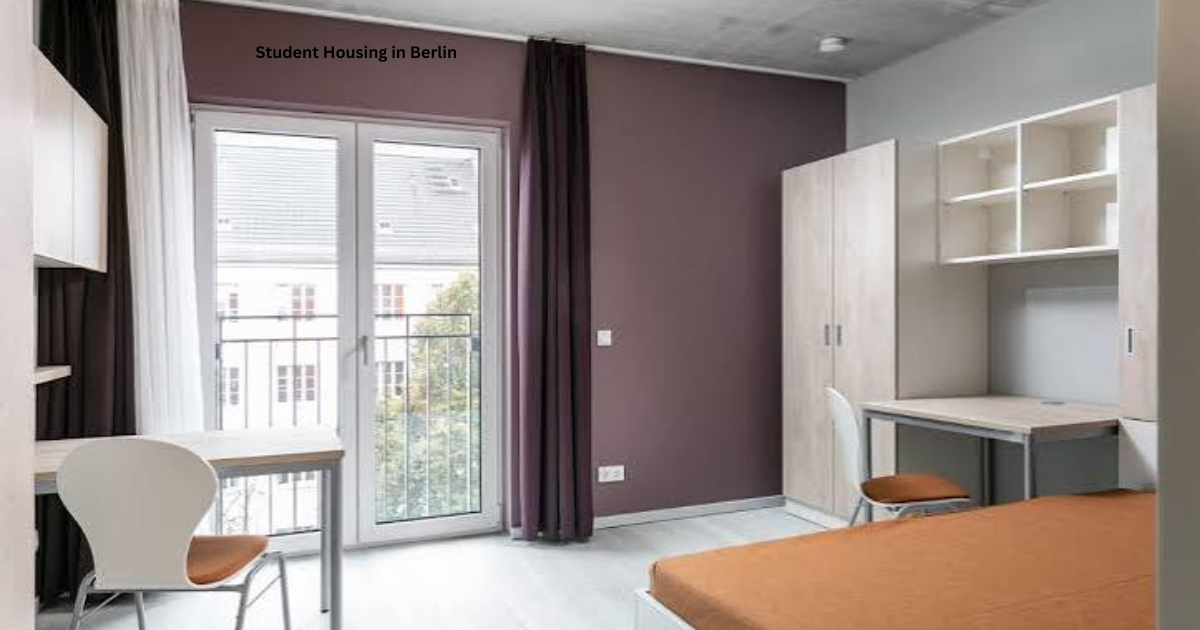 Looking at typical categories, a Studentenwerk Dormitory runs €240–€420, PBSA options like NeonWood, Staytoo, and The Social Hub sit at €650–€1,100, a Private Studio Apartment reaches €800–€1,400, a Shared WG Room stays around €450–€700, and Indian Student-Friendly WGs can be found for €350–€600.
For anyone chasing cheap accommodation on a genuine budget guide, affordable areas like Marzahn (€350–€450), Lichtenberg (€380–€500), Wedding (€400–€550), Spandau, and Reinickendorf (€380–€520) remain the smartest low-budget options.
Search WG-Gesucht.de, Kleinanzeigen, Studentenwerk Berlin, and Facebook groups for cheap WG rooms, since average rent keeps climbing with high demand. In this 2025 Update, a Studio now averages €800–€1,300, proving that rent increasing each year is simply the new normal in this city.
Districts for Students & Near Universities
Choosing a neighborhood shapes your whole experience more than any brochure admits. Kreuzberg brings unbeatable nightlife, culture, and international vibe; Friedrichshain offers vibrant social life with a creative atmosphere full of young people; Neukölln stays multicultural and reasonably affordable;
Wedding remains budget-friendly with good transport and steady improvement; Charlottenburg suits anyone wanting classic, quiet living near universities; and Mitte stays central and convenient, close to historical landmarks, though it carries a higher price tag.
Matching your district to your campus saves real commuting time. Humboldt University students look toward Mitte, Wedding, Prenzlauer Berg, and Friedrichshain; Free University students prefer Dahlem, Steglitz, and Wilmersdorf; TU Berlin students settle into Charlottenburg, Moabit, and Tiergarten; and those at the Berlin School of Economics and Law do best in Schöneberg and Tempelhof.
If your budget is tight, the cheapest areas Marzahn, Lichtenberg, Reinickendorf, and Spandau — deliver the best value and genuinely affordable options without pushing you too far from the action.
How to Find Book Student Accommodation
The process gets simple once you break it into steps. Start early, ideally 3–6 months ahead, and check Studentenwerk, WG-Gesucht, ImmobilienScout24, and Facebook groups together rather than relying on one site. Keep your documents ready ID, proof of income.
SCHUFA, and admission letter then explore areas, avoid scams, and never pay before viewing, since short-term stays exist precisely for the gap before you find something permanent. Remember that deposits legally cannot exceed three months’ rent.
Practically, define budget, pick your preferred districts, measure distance to university, compare verified listings, and finish everything before peak season hits.
International students typically begin 3–4 months before arrival, using trusted websites such as HousingAnywhere, Spotahome, The Student Hotel, Staytoo, and NeonWood, checking routes by U-Bahn and S-Bahn.
Once you’ve prepared documents passport, university admission letter, proof of funds, blocked account, and ideally a German phone number you can choose room type (WG, dorm, PBSA, or studio), apply, sit through video interviews for shared flats, sign rental contract (Mietvertrag), pay deposit (Kaution, usually 1–3 months rent), and finally move-in and register your Anmeldung at the Bürgeramt.
Avoiding Scams
Student Housing in Berlin attracts scammers who prey on desperate newcomers, so trust your instincts. Never pay upfront, always verify landlord identity and proof of ownership through a real housing agency, and treat any too good to be true or unusually low rent listing as a red flag. Real scams often push Western Union or crypto payments untraceable payment methods that should end the conversation immediately.
Always check contract details for rent, deposit, notice period, and additional costs, and never fall for urgency tactics or artificial pressure. Stick to verified listings on Studentenwerk, WG-Gesucht, and ImmobilienScout24.
For the paperwork side, most landlords want a SCHUFA credit report, proof of income through pay slips or bank statements proving financial stability, and a deposit (Kaution) worth two to three months’ rent, fully refundable at lease termination. Your rental application should include personal information, employment status, student status, and references.
International arrivals specifically need a passport, university admission letter, bank statement or blocked account, and sometimes proof of income, though SCHUFA is not always mandatory for students. Simply visiting room online never replaces receiving a valid rental contract before you send any money.
Short Term Accommodation
If long-term housing isn’t locked in yet, temporary stays bridge the gap nicely. Hostels like The Circus Hostel (€20 per night), Meininger Hostels (€25 per night), A&O Hostels (€18 per night), and Generator Hostel (€22 per night) let you attend viewings in person while you keep searching.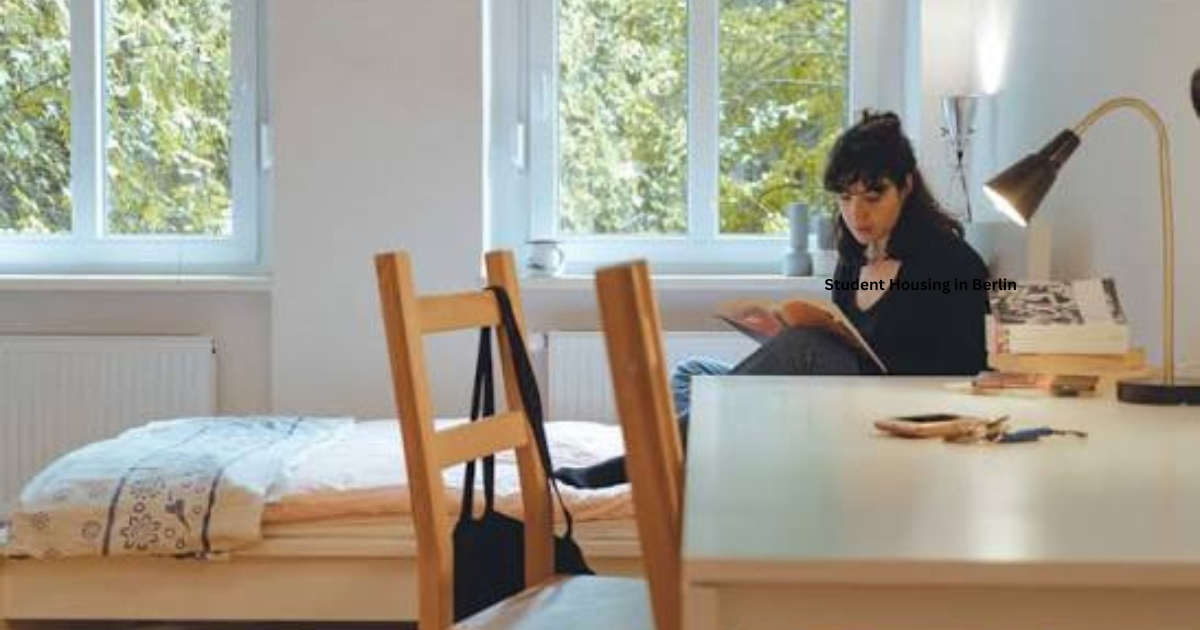 For flexible short-term rentals, try Airbnb, Wunderflats for mid-term rentals of 1-6 months, Uniplaces for student-friendly furnished apartments, and HousingAnywhere for genuine sublets.
University guest houses also offer short-term stays with decent availability for brand-new arrivals. On the PBSA side, Generator Berlin, Meininger Berlin, and A&O Hostel sit alongside residence brands like NeonWood Berlin, Staytoo Berlin, The Social Hub Berlin, and Urban Living Berlin, all useful stopgaps while your permanent room comes through.
Expatrion
Some named residences deserve a closer look. Studentendorf Schlachtensee sits in the Zehlendorf district near Schlachtensee Lake and the Grunewald nature preserve, with Category A rooms from €520.20, Category B from €471.22, Category C at €553.50, and a Flat with Friends option reaching €2,829.
StudentHouse Plänterwald, near Eichbuschallee and Treptower Park, offers one-room apartments of 26 m² from €530–€550 in warm rent, including furniture, utilities, electricity, and internet.
Siegmunds Hof, close to Tiergarten and the River Spree, lists single rooms from €322–€432, rooms with private bathroom at €442–€689, and double rooms near €552.
Allee der Kosmonauten in the Lichtenberg district offers shared flats from €302–€367 across 298 places, while Studentendorf Adlershof, near the Humboldt University Campus Adlershof and WISTA Science and Technology Park, requires a deposit of €1,200 for stays of 11 months.
For private options, The Student Hotel near Alexanderplatz offers a Standard Room at €844 and Standard Plus Room at €971; Neon Wood on Warschauer Str. in Friedrichshain has a Classic Balcony from €895–€995; BaseCamp Potsdam runs €770–€970; and Home in Berlin across Tempelhof-Schöneberg ranges €490–€740.
Weighing the pros and cons: affordable rent and includes utilities build a strong community atmosphere, but limited availability, strict eligibility, and small room sizes remain real drawbacks.
Pepe Housing
Why Berlin Is a Top City comes down to a mix of education, culture, and genuine independence within an international lifestyle.
Its multicultural atmosphere pairs a strong university scene with creative industries, tech startups, legendary nightlife, an active social scene, and a reliable public transport system.
Why Book with Pepe Housing matters for safety and peace of mind verified listings, a secure booking process, protection from scams, and truly student-focused accommodation make online booking before arrival realistic for Erasmus stays.
Common Mistakes Students Make include booking too late past August or September, chasing the cheapest option regardless of transport fees, ignoring transit zones without checking the transit map, and paying deposits without verification, risking risky transfers and not checking utilities hidden in monthly bills.
When Should You Start Looking for a room?
Two to three months ahead May or June for winter semester, November or December for spring semester especially for a highly sought-after district. And Is Berlin a Good City for Erasmus Students? Absolutely its international environment, rich culture, brilliant nightlife, and real career opportunities support personal growth, even inside a genuinely competitive housing market.
Acolyte Living
Among Popular Student Housing Providers, Studentenwerk Berlin remains the classic govt dorms choice, NeonWood Berlin Friedrichshain delivers premium facilities, and The Social Hub Berlin plus Staytoo Berlin add a gym, laundry, and study spaces.
Spotahome and HousingAnywhere verify listings for Indian students settling into Neukölln, Wedding, and Lichtenberg, where Indian community shared flats and Asian student populations cluster around Friedrichshain and Adlershof.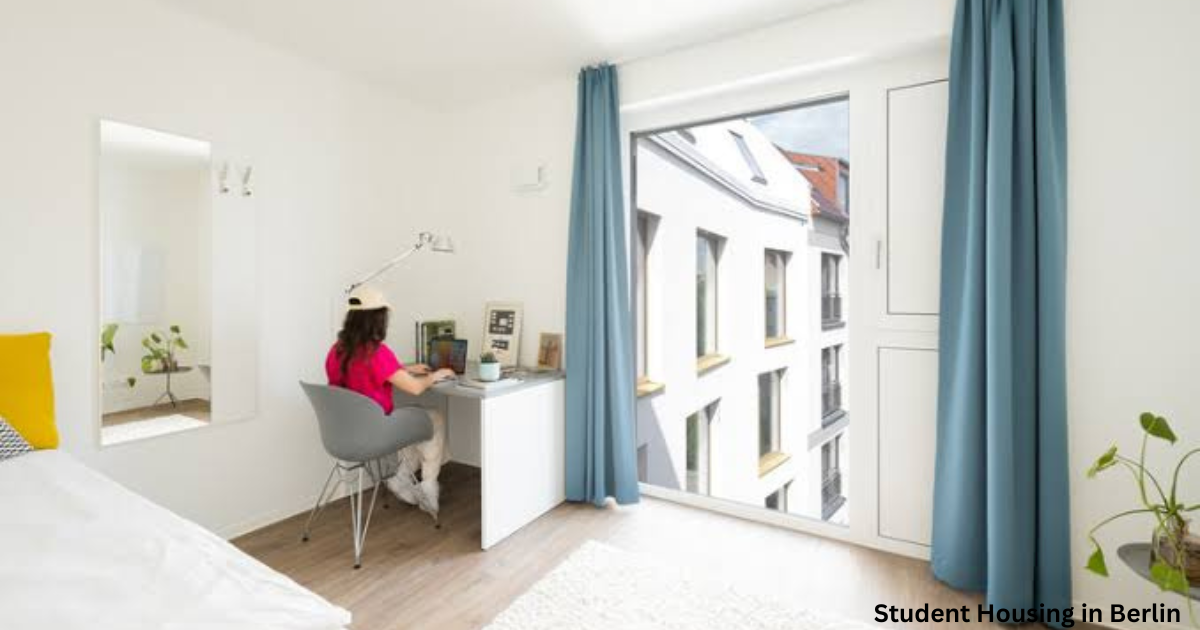 Berlin Student Accommodation Reviews rate NeonWood and Staytoo at 4.4/5 and 4.2/5, The Social Hub at 4.5/5, and Most Affordable picks like Studentenwerk Dorms and WG Rooms at 4.0/5 and 4.1/5.
For Living Expenses, a typical cost breakdown looks like Rent at €450–€900, Food at €180–€250, Transport covered by the Semester Ticket, Health Insurance near €120–€130, Mobile and Internet at €20–€30, and Miscellaneous costs of €100–€200, adding up to a total living expense of €900–€1,400.
Under Cost of Food, Transport, Utilities, expect groceries and Indian groceries near Electricity at €30–€50, Heating at €25–€40, and Wi-Fi rounding out the bill, alongside unlimited travel across public transport.
The German Housing System Explained covers Wohngemeinschaft living with 2–5 people sharing kitchen and bathroom, letting you cook Indian food while enjoying real community feeling. A Student Dormitory, or Wohnheim, stays managed by Studentenwerk with fully furnished rooms.
Finally, the Anmeldung Guide walks through official address registration needed for a bank account, residence permit, mobile number, and tax ID through a Bürgeramt appointment with your passport, rental contract, Wohnungsgeberbestätigung, and final Meldebescheinigung.
FAQs About Student Housing in Berlin
What is the average price for student housing in Berlin?
Expect somewhere between €450 and €900, shifting with the area and type of housing you settle on.
Is there cheap accommodation in Berlin for students?
Yes WG rooms, dorms, and neighborhoods like Marzahn, Wedding, and Lichtenberg consistently offer genuinely cheap stays.
Which area is best for Indian students?
Wedding, Lichtenberg, and Reinickendorf carry strong Indian communities alongside inexpensive housing, making settling in noticeably easier.
How early should I start booking?
Start about 3–4 months before your arrival in Berlin to avoid the last-minute scramble.
Do I need SCHUFA as a student?
Not always many student rooms skip the credit report requirement entirely and welcome tenants without it.
What is the cost of living for students in Berlin?
Plan for roughly €900–€1,400 per month to cover your full cost of living comfortably.
Is Berlin safe for international students?
Yes, it’s genuinely safe and student-friendly, backed by reliable transport and welcoming multicultural areas.