
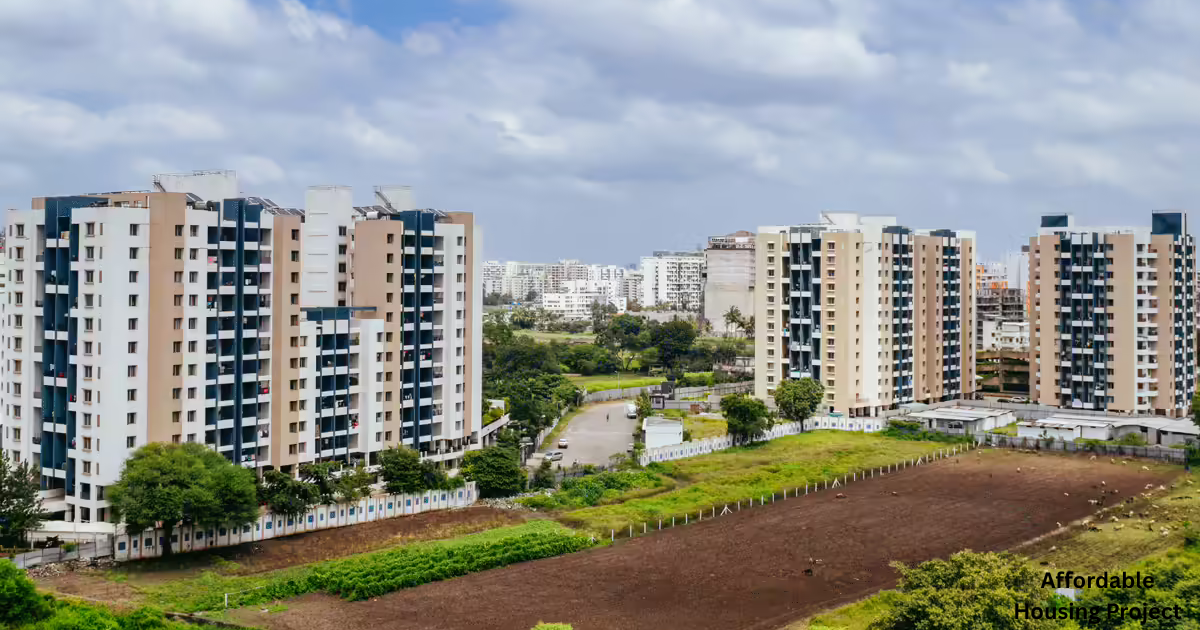
Housing as a basic human right shapes the way India thinks about shelter for every family. Government initiatives like the Pradhan Mantri Awas Yojana, known widely as PMAY, work to close the housing shortage faced by lower-income and middle-income households.
My own visits to under-construction sites in 2026 showed how first-time buyers and nuclear families line up early. They hope to book budget homes that are safe, well-ventilated, and legally sound.
India is entering a structural growth phase, and urban migration keeps pushing more families toward cities. These cities offer schools, healthcare, and reliable transport nearby.
Rising incomes and steady policy support have opened doors for smarter location selection. Developer credibility now decides whether a project delivers on time or slips into construction delays.
What Is Affordable Housing
Affordable housing means more than a low price tag; it means a home built with real safety. Proper ventilation and clear legal title must also be in place.
Government housing schemes group buyers by annual household income. Families fall into EWS, LIG, or MIG brackets depending on how much they earn each year.
I have sat with several applicants filling these forms, and most simply want a roof near transport, healthcare, and education. Social discrimination still blocks fair access for migrants, women, and minorities.
Informal workers who move city to city for daily wages need housing too. These groups deserve homes that respect their dignity, not just their income bracket.
The Flagship Government Scheme
The Pradhan Mantri Awas Yojana, or PMAY, stands as the flagship affordable housing scheme of the Government of India. It was first launched back in 2015 under the promise of Housing for All.
It runs through two arms: PMAY-Urban for city dwellers and PMAY-Gramin for rural populations. Both aim to get pucca roofs over more heads across the country.
The Union Cabinet approved the newer PMAY-U 2.0 on 9 August 2024, and it became active from 1 September 2024. It targets 1 crore urban houses over the window.
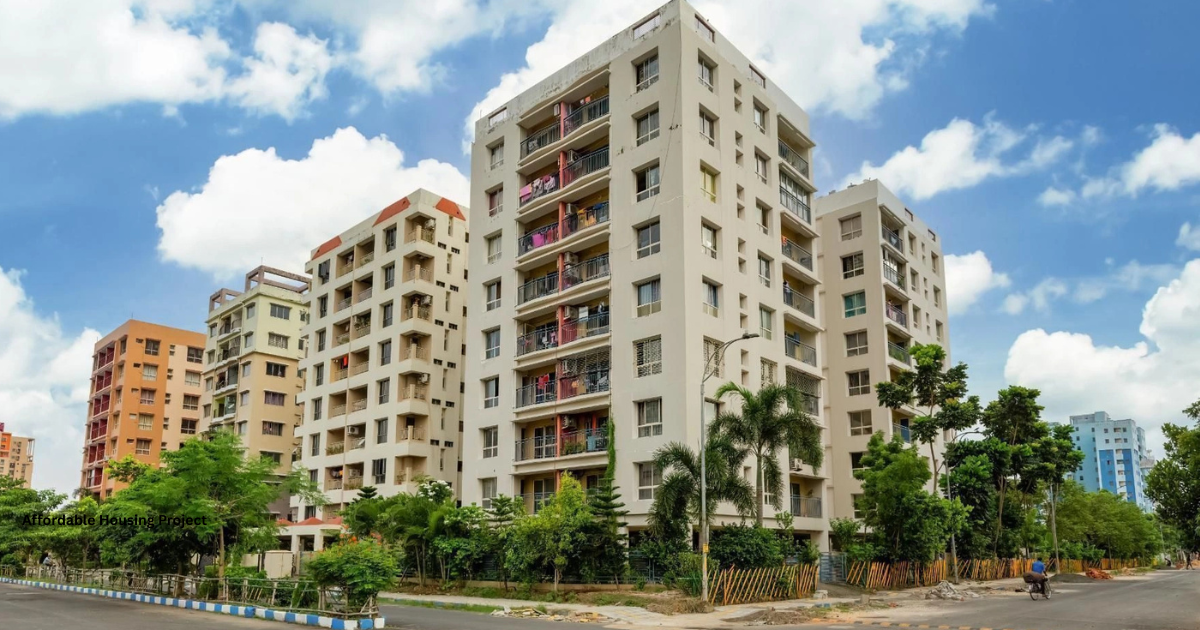 Phase 1 already delivered strong numbers, with 118.64 lakh houses sanctioned and 92 lakh handed over. The scheme also focuses on female ownership, registering homes jointly with the spouse.
If you are also planning to claim tax benefits on your home loan alongside a PMAY subsidy, this guide on deduction for interest on housing loan breaks down what you can claim.
PMAY-U 2.0 Eligibility
Checking eligibility starts with annual income. EWS households earning up to ₹3 lakh can receive central assistance of ₹2.5 lakh.
LIG households in the ₹3-6 lakh range get support up to ₹1.5 lakh. MIG households between ₹6-9 lakh instead qualify for an interest subsidy.
None of these families can already own a pucca house anywhere in the country. None can have taken prior central housing assistance before either.
Applicants need Aadhaar-linked citizenship documentation ready before they apply. They can apply through pmaymis.gov.in online or in person at a Common Service Centre.
The Four PMAY-U 2.0 Verticals
PMAY-U 2.0 splits into four clear paths. Beneficiary Led Construction suits EWS families who already own land and want to build a pucca house up to 45 sq. m.
These families get ₹2.5 lakh released in a first instalment. They must finish building within 12 months and cannot resell the home for 5 years.
Affordable Housing in Partnership works differently, since developer partners construct 30-45 sq. m. homes with ready carpet area. In-Situ Slum Redevelopment turns slum land into proper housing for existing residents.
The last path, Affordable Rental Housing Complexes, serves migrant workers, students, and the urban poor. These units sit near industrial estates and workplaces for easy commuting.
Other Affordable Housing Schemes in India
PMAY is not the only door open to buyers. The Rajiv Awas Yojana started back in 2013 with a bold dream of a slum-free India by 2022.
It handed out financial aid to states for slum remediation work. The DDA Housing Scheme, run by the Delhi Development Authority, offers a housing lottery to EWS, LIG, and MIG applicants.
Maharashtra runs its own subsidised housing lottery through the MHADA Lottery Scheme. Many other state-specific ARHC and slum-rehabilitation programmes now operate alongside these.
They are coordinated through urban local bodies. These bodies understand local land and demand patterns better than any central office.
Why Affordable Housing Is a Smart Investment
Budget flats are one of the smartest bets in Indian property right now, and the numbers back this up. Massive demand from millennials and nuclear families keeps pushing buyers toward Tier-2 cities.
Steady urban migration and rising urbanisation add fuel to this demand in metro outskirts. Government support through reduced stamp duty and tax incentives gives buyers and developers real reasons to move quickly.
Sustainable growth corridors near outer ring roads and expressways are opening up peripheral zones. These areas once felt too far from schools, workplaces, and commercial hubs.
The wider affordable housing finance market shows a strong outlook too, with total outstanding figures expected to touch ₹67 trillion by FY2030. Connectivity, in the end, decides which corridor wins the next wave of demand.
Where to Find Affordable Housing Projects
Finding good budget housing today means looking past the big metro names. Peripheral corridors along expressway routes and industrial-corridor routes offer lower land prices.
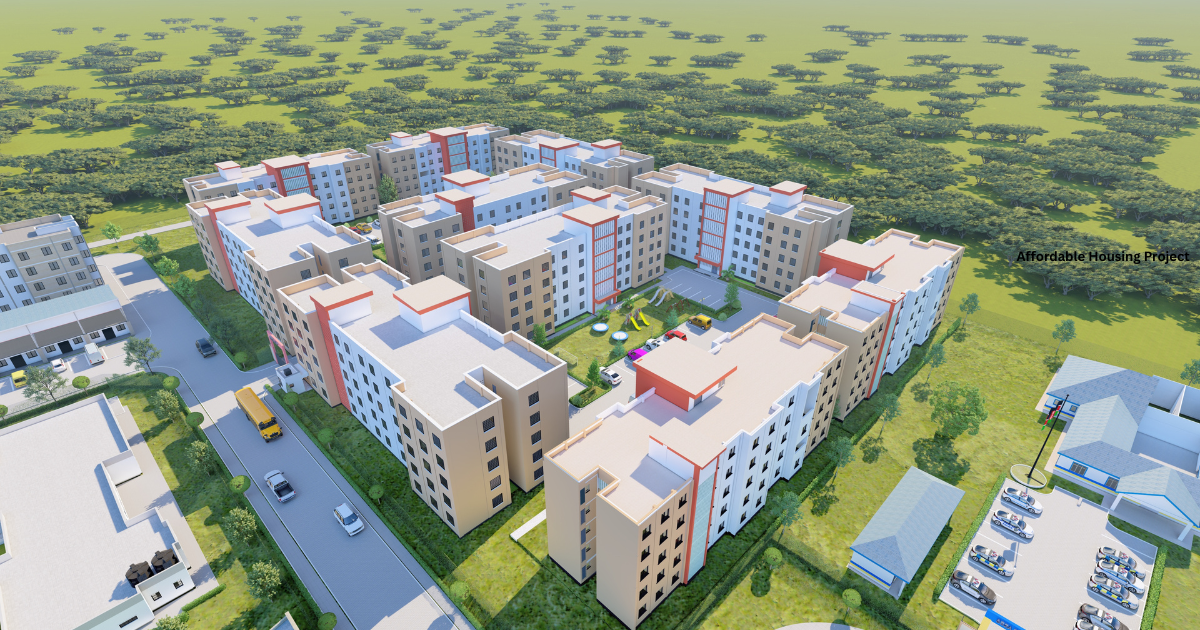 These areas also come with improving connectivity, making them worth a serious look for any property investment plan. Before signing anything, always check the developer track record.
Confirm RERA registration and study planned infrastructure near the site. Tier-2 cities reward buyers who do this homework early.
Challenges Facing Affordable Housing in India
Even strong government effort cannot fix every problem overnight. Rising construction costs and land costs still slow things down in many pockets.
Project delays remain common on peripheral projects, especially where last-mile connectivity and quality control fall short. Builders are now turning to innovative construction technology to fix this.
Drones, AI-based planning, and Building Information Modelling help improve accuracy. They also cut down on material waste on site.
Green certifications like GRIHA and IGBC are becoming a normal part of the conversation. This pushes the whole industry closer to genuinely sustainable affordable housing.
Conclusion
Affordable housing projects across India sit at a rare crossing point of social necessity and real investment opportunity. Continued PMAY-U 2.0 support keeps this momentum going strong.
Growing Tier-2 city infrastructure and wider use of sustainable construction technology add to the picture. This expanding market looks set for steady long-term growth well past 2030.
Anyone who checks scheme eligibility and sticks to solid location fundamentals stands to gain. Picking partners with genuine developer credibility makes the biggest difference of all.
FAQs About Affordable Housing Project
What are affordable housing projects?
Affordable housing projects are residential developments built for EWS, LIG, and MIG households. They are usually backed by PMAY and other government schemes.
What is PMAY?
PMAY-U 2.0 is the Government of India’s upgraded urban housing scheme, running from September 2024 to 2029. It aims to deliver 1 crore new houses to eligible urban families.
Who is eligible for PMAY?
Eligibility depends on annual household income: EWS families earn up to ₹3 lakh, LIG families fall between ₹3-6 lakh, and MIG families sit in the ₹6-9 lakh range. No one in the household can already own a pucca house.
What are the key affordable housing schemes in India?
Major schemes include PMAY, the Rajiv Awas Yojana, the DDA Housing Scheme, and the MHADA Lottery Scheme.
Where are affordable housing projects located?
These projects exist across both urban India and rural India. Strong growth is now visible in Tier-2 cities, metro-outskirt corridors, and areas near new infrastructure projects.
What happens if construction quality is substandard?
Buyers can report poor construction quality through official complaint systems built into most housing schemes. Independent quality inspections can get careless builders fined, blacklisted, or even taken to court.
Is affordable housing a good investment?
Yes, affordable housing projects offer steady rental income, faster sales cycles, and long-term capital appreciation. Buyers should still stay alert to risks like oversupply and project delays.