
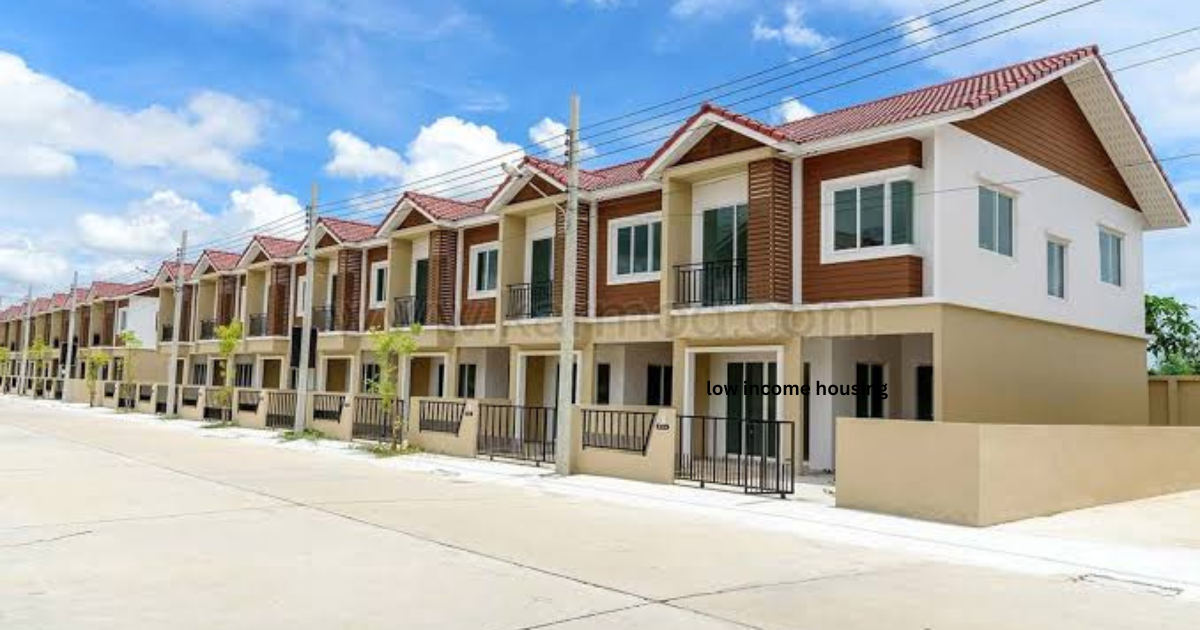
My neighbor once told me she almost gave up looking for a decent home until she learned about HUD and how income limits actually work.
Low income housing covers government-owned, government-subsidized, and privately built properties that offer reduced rent to families and individuals who fall under a certain income threshold.
The U.S. Department of Housing and Urban Development oversees these programs, and its numbers, published annually, decide who can qualify.
There are different tiers built into this system, and understanding them makes the search less confusing. Some households fall into the very low-income bracket, while others are labeled extremely low-income, and both groups have separate rules for Eligibility.
Tax incentives also play a role here, since they encourage developers to build LIHTC properties that keep rent affordable for years to come.
HUD Income Limits
I remember checking the income limits page every spring, and this year the update came later than usual. HUD pushed its release past April 1 because the Census Bureau delayed the American Community Survey, a delay tied back to the government shutdown in fall.
The numbers finally landed on May bringing an average annual change of 3.4% and a maximum allowable increase capped at 10% across areas.
 Not every area moved the same direction, which matters if you’re trying to qualify this year. About of counties saw a decrease, a bigger share than seen the year before under FY while roughly of higher-cost markets saw growth beyond reflecting steady income growth in those places.
Anyone under HUD-assisted housing programs or LIHTC properties should also know that a tenant certification signed before the deadline stays valid, but anything signed after must be regenerated to reflect the FY 2026 figures.
Rent itself shifts along with these numbers, since every county and metro area uses its own cap for calculating what a household can be charged. It sounds technical, but the takeaway is simple: check your local numbers before you apply, because being delayed by even a season can change what you qualify for.
Major Low Income Housing Programs
When people ask me where to start, I always mention the Housing Choice Voucher Program, better known as Section 8, because it’s the most widely used option in the country.
Instead of living in a designated building, participants find their own rental home in the private market, and a voucher covers a portion of the cost while tenants contribute the rest based on their tenant income.
Public Housing, on the other hand, is owned and managed directly by local Public Housing Authorities, known as PHAs, which keep rent reduced for residents living in these communities.
Then there are Income-Restricted Apartments, financed through Low-Income Housing Tax Credits, where private developers build standard apartment complexes that look ordinary but cap rents according to imputed household size.
Maximum allowable rents in these buildings usually follow the Multifamily Tax Subsidy Project, or MTSP, formula, calculated as thirty percent of the applicable income limit.
Section 202 supports supportive housing for the elderly, while Section 811 focuses on persons with disabilities, and both sit alongside project-based Section 8 and Section under broader federal programs.
Beyond the federal layer, cities and states run their own state housing programs and affordable housing initiatives through a state housing finance agency or local authority.
These local housing programs vary in availability, eligibility rules, and application processes depending on location, so it pays to check with your local housing authority directly since rent is always tied to income no matter which path you choose.
Who Qualifies for Low Income Housing?
Qualifying comes down to a formula most people never see explained clearly. HUD’s annual income limits rely on FMR area definitions, meaning calculating median incomes for every metropolitan area and non-metropolitan county, then making adjustments for family size and household size.
The Area Median Income, or AMI, sets the threshold, and it gets adjusted further in places with unusually high or low incomes compared to local housing costs.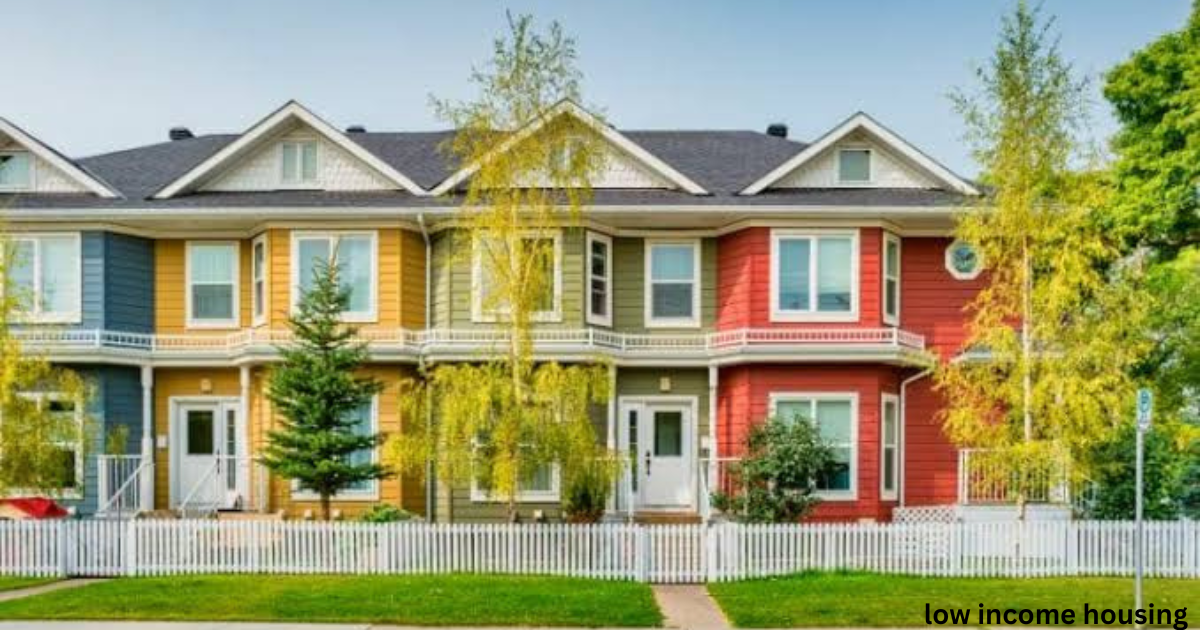
For the lowest tier, extremely low-income limits are pulled from the federal poverty guidelines, comparing that figure against a percentage of the area median income for the metro area.
Applicants also go through background checks and rental history checks, and must meet citizenship or eligible immigration status rules before their household income is confirmed against these income thresholds. It’s a layered process, but every program follows the same basic Section 8 Fair Market Rent logic underneath.
How to Apply
Applying felt overwhelming to me the first time, until I broke it into smaller steps. Start by locating your local Public Housing Authority, since that’s where most public housing applications and Section 8 paperwork get submitted.
Gather your low-income-housing early, including identification, proof of income, and your rental history, because these confirm both your household composition and whether you qualify.
Checking current income limits on HUD’s official website helps confirm eligibility before you waste time on forms. Applying to multiple programs simultaneously, including LIHTC properties and public housing, increases your chances, since each one keeps separate waitlists.
Because high demand is common everywhere, patience matters too, as waitlists can stretch across months or even years, so applying early genuinely improves your odds.
FAQS About low income housing
What is the best low-income housing option?
It really depends on your situation. Section 8 offers flexibility since you get to choose your own rental in the private market, while public housing offers more stability with a fixed, government-managed unit. There isn’t one best low-income housing option for everyone, so weigh what matters more to you: freedom of choice or a steady, predictable home.
How long does it take to get approved?
Approval timelines genuinely vary depending on your location and which program you choose. Because high demand is the norm almost everywhere, approval can take anywhere from several months to a few years. Staying patient and applying broadly is often the most realistic strategy.
Can I apply to multiple programs?
Yes, and honestly, it’s one of the smartest moves you can make. Applying to multiple housing programs, such as Section 8, public housing, and LIHTC apartments, increases your overall chances of securing housing sooner. There’s no rule against it, so apply wherever you genuinely qualify.
Is low income housing available everywhere?
Yes, though availability and waitlist length vary quite a bit from one city or state to the next. Eligibility rules also shift locally, so it’s worth contacting your local housing authority directly to get accurate numbers for your area.
Do the income limit changes affect current tenants?
For most current tenants, a certification signed before May 1 2026 stays valid as is. The 2026 income limit changes mainly affect anyone whose paperwork gets processed afterward, since rent calculations and broader eligibility must reflect the updated limits going forward.