
Stamp duty in Maharashtra can add several lakhs to your property cost, so it pays to know the full figure before you sign. The advertised figure is just where your spending begins, because stamp duty, metro cess and the registration fee all get added to it.
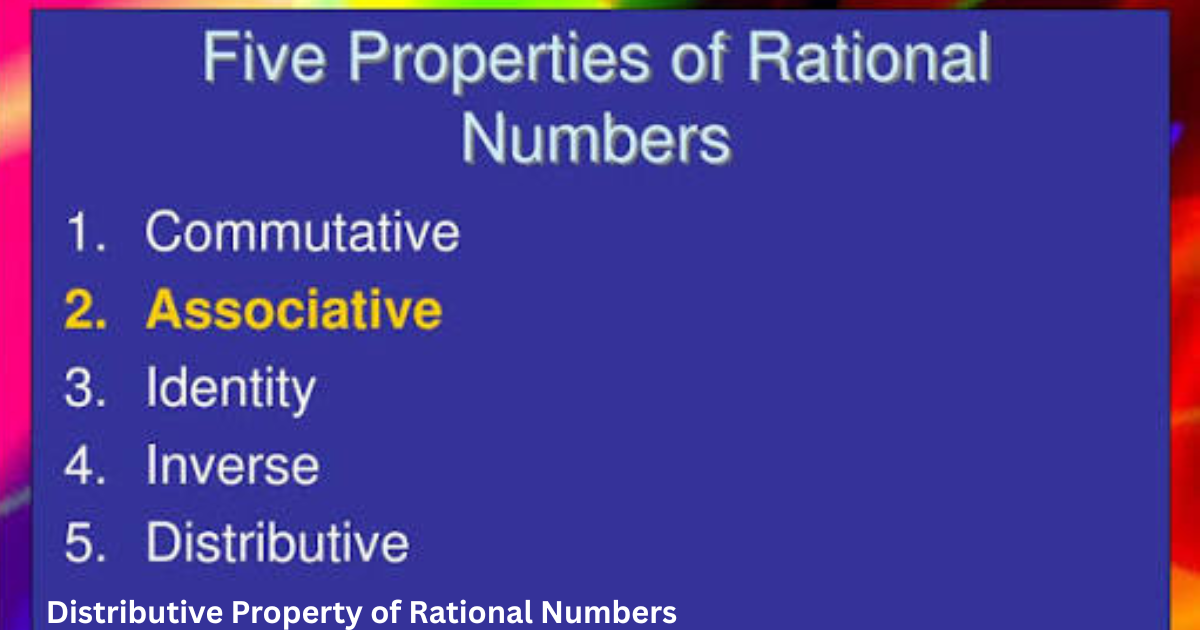
The good news is that a simple maths rule, the distributive property of rational numbers, lets you work all of this out in your head within a minute.
SThe good news is that a simple maths rule, the distributive property of rational numbers, lets you work all of this out in your head within a minute.
The Rule in One Line
When a number multiplies a bracket, it multiplies everything inside the bracket:
- a × (b + c) = a × b + a × c
- a × (b − c) = a × b − a × c
Here a, b and c can be whole numbers, fractions, decimals or percentages. All of these are rational numbers, so the rule works for every one of them.
Maharashtra Charges You Need to Know
These are the commonly quoted residential property rates in Maharashtra for 2026. Treat them as a starting point and always confirm them for your exact location before you pay.
| Charge | Rate |
|---|---|
| Stamp duty (base) | 5% for a male buyer, 4% for a woman buying alone |
| Metro cess | Extra 1% in metro-region areas such as Mumbai and Pune |
| Effective total in metro areas | 6% for a male buyer, 5% for a woman buying alone |
| Registration fee | 1% of the value, capped at ₹30,000 (so a flat ₹30,000 above ₹30 lakh) |
Stamp duty is charged on the higher of the agreement value and the government’s ready reckoner rate.
Example 1: Duty Plus Cess on a ₹75 Lakh Flat
A male buyer in Mumbai pays 5% stamp duty and 1% metro cess.
Duty = 75,00,000 × (5% + 1%)
= (75,00,000 × 0.05) + (75,00,000 × 0.01)
= 3,75,000 + 75,000
= ₹4,50,000
Add the registration fee of ₹30,000 and the total government charge is ₹4,80,000.
Example 2: The Women’s Concession (Subtraction)
A woman buying the same flat in her sole name gets a 1% concession, so the effective rate is 6% − 1%.
Duty = 75,00,000 × (6% − 1%)
= (75,00,000 × 0.06) − (75,00,000 × 0.01)
= 4,50,000 − 75,000
= ₹3,75,000
With registration the total is ₹4,05,000, which is ₹75,000 less than the male-buyer figure.
Example 3: Plot Price When You Add Extra Land
A plot costs ₹1,800 per sq ft. You want 1,000 sq ft and also a 250 sq ft corner strip.
Cost = 1,800 × (1,000 + 250)
= (1,800 × 1,000) + (1,800 × 250)
= 18,00,000 + 4,50,000
= ₹22,50,000
Example 4: Splitting an Inherited Property
An inherited house is valued at ₹90,00,000 and is shared as 1/3, 1/3 and 1/3 among three siblings.
Total = 90,00,000 × (1/3 + 1/3 + 1/3)
= 30,00,000 + 30,00,000 + 30,00,000
= ₹90,00,000
Each share is easy to verify, and the shares add back to the full value. This is only a maths illustration. Real shares depend on the law and on any will, so speak to a lawyer. You can also read our guide to property distribution laws in India.
Example 5: Builder Discount
A builder offers 1/20 off a ₹80,00,000 flat if you book this month.
Price = 80,00,000 × (1 − 1/20)
= 80,00,000 − 4,00,000
= ₹76,00,000
Mistakes That Cost Buyers Money
- Applying the rate to only one term. In 75,00,000 × (5% + 1%), both 5% and 1% must be applied to the price.
- Forgetting the metro cess. Many buyers quote 5% and are surprised by the final 6%.
- Using the agreement value only. If the ready reckoner rate is higher, duty is charged on that.
- Ignoring the registration cap. The fee never exceeds ₹30,000 on residential property above ₹30 lakh.
- Dropping the minus sign. In discount and concession calculations, the subtraction must carry through to the second term.
Quick Checklist Before You Register
- Check the ready reckoner rate for your locality.
- Confirm whether metro cess applies to your area.
- Check if the women’s concession applies. It needs sole ownership of residential property.
- Add the registration fee last, remembering the ₹30,000 cap.
- Verify the final figures on the official IGR Maharashtra portal.
Final Words
The distributive property turns a messy calculation into small, easy steps. Whether you are adding cess to duty, applying a concession, pricing extra land or dividing shares, splitting the bracket gives you the same answer with fewer mistakes. Freehold property meaning Use it for quick estimates, and let your lawyer or registrar confirm the final numbers.
FAQs
What is the distributive property in simple words?
It means a number outside a bracket multiplies each term inside, so a × (b + c) = a × b + a × c. The same works with subtraction.
Does it work with percentages?
Yes. Percentages are rational numbers, so 5% + 1% can be multiplied by the price in one step or in two separate steps with the same result.
Are the rates in this article the same in every state?
No. These examples use Maharashtra. Other states have different stamp duty and registration rules, so check your own state’s rates.
Can I rely on this for legal or tax advice?
No. It is for general information and estimates. Confirm figures with a qualified professional and the official registration portal.