
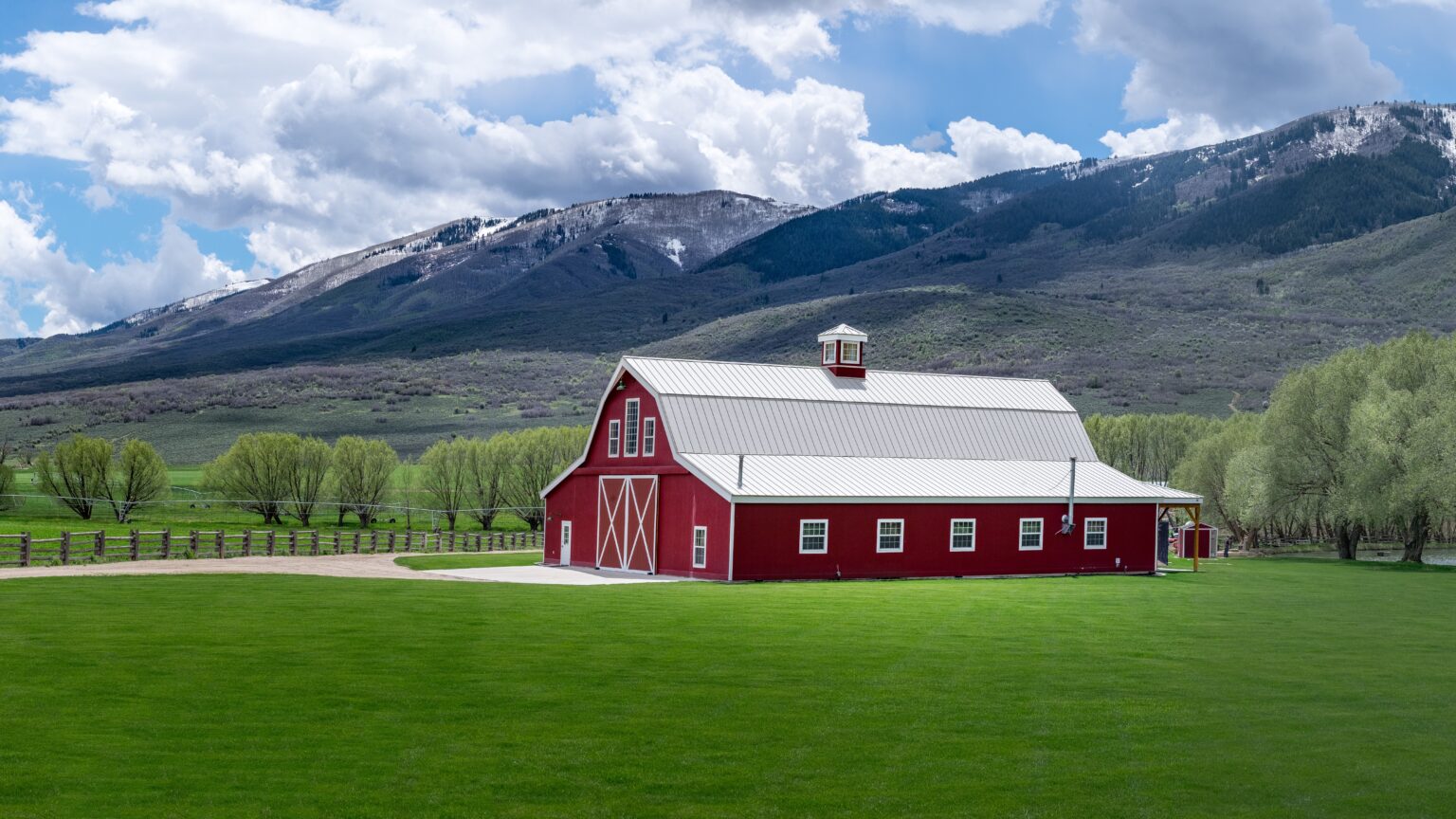
Gale Woods Farm is a working educational farm in Minnetrista, Minnesota, that Three Rivers Park District runs on Whaletail Lake.
Visitors explore park grounds, join public programs, buy food, fish, paddle, or rent event space.The official address reads 7210 County Road 110 West, ZIP code 55364.
The site doubles as an educational center. Explore Minnesota describes a 410-acre park and prints Mound as the mailing city, so type the street address into your map.
Who started Gale Woods Farm, and why?
The Gale family made a land donation so the property could stay in farming and teach people about agriculture.
Three Rivers Park District accepted that gift and the farm opened in 2003.
The arrangement supports farmland preservation near the Twin Cities.
Professional farm educators now connect food production with land stewardship through daily work.
I find this history explains why teaching shapes each visit.
What can you see on a first visit?
You can walk past pastures, a barnyard, a hayfield, an orchard, and views of a red barn and silo.The setting offers rural character and rustic charm.Staff open the barn only during selected programs, so plan around scheduled barn access.
The visitor center provides restrooms and a water fountain during park hours.You will also find picnic tables, picnic areas, vegetable gardens, a greenhouse, and raised garden beds.
Wear sturdy shoes for muddy days.
Which farm animals might you meet?
On a visit, you might also meet farm animals such as sheep, chickens, beef cattle, pigs, and a guard llama.
Spring brings new animal arrivals, including lambs, calves, piglets, and chicks.Season, weather, and chores decide which animals you see.
Adult ewes raise young in the flock, while the Fall Fest program also introduces a dairy cow and turkeys appear among farm foods.
Livestock guardian dogs protect the herds, so give working animals space and follow staff directions.The no-dogs policy covers pet dogs, so leave yours at home even for a short trail walk.
How does the farm teach agriculture?
Educators teach agriculture through chores, observation, and conversation.
Depending on the session, participants may study animal husbandry, livestock management, veterinary care, and organic gardening.
These activities reveal how sustainable agriculture works when people care for soil, animals, plants, and water together on one site.
The Farm-ecology group program serves grades three through twelve and explores soil science, water quality, composting, and farm ecology.
Another program, What’s for Lunch, follows farm-to-table steps from fields to meals.This approach turns environmental stewardship into actions children can practice.
What happens during Saturday Morning on the Farm?
Saturday Morning on the Farm runs April through September from 9:30 a.m. until noon.Families can explore the barn, visit gardens, and meet animals up close during this morning program.Check the program calendar before you drive over to Minnetrista.
Typical hands-on learning includes collecting eggs, feeding sheep, planting and harvesting, or making a wool craft.
I suggest arriving near opening time and choosing one favorite activity first.That plan keeps young children curious.
What can you enjoy at Fall Fest?
Fall Fest pairs seasonal farm experiences with a cooking demonstration, fiber activities, and animal encounters.
The 2026 festival took place October 3 and 4, from 10 a.m. until 4 p.m.Those dates have passed, so watch the official events page for the next announcement.
The 2026 schedule invited guests to take a llama walk, collect eggs, and visit cattle on pasture.
It also featured a hay bale play area and a chance to process part of the flax crop.Next year’s lineup may differ.
Which classes and group programs can you book?
You can book skill-based classes, summer camps, homeschool programs, school field trips, and group visits.
The district welcomes scout troops, 4-H groups, and learners from preschoolers through adults.
Year-round group sessions can last from two hours to a full day.
HomeTrail lists the farm as an educational field trip for ages six through sixteen and offers a homeschool planning tool.
The official group page also says the curriculum supports certain Minnesota K-12 Academic Standards.
Ask about learning goals, group size, accessibility modifications, and weather plans before you reserve a date.
What can you learn through fiber and culinary arts?
Fiber arts courses use wool from the resident flock and cover wool processing, natural dyeing, spinning, and felting.
Seasonal activities may also introduce flax-to-linen processing.
The district’s culinary arts sessions include cooking classes such as pizza making with food from the farm.Gardening workshops give adults and families another route into practical farm knowledge.
Check each class for age rules, supplies, and take-home items.I would settle those three details before paying for any seat.
Can you celebrate a child’s birthday there?
Yes, the district offers birthday parties that give guests a hands-on experience at the farm.Call the farm before choosing a date, because staff must match your group with an available party session.Ask which activities and food rules apply.
Plan for outdoor clothing and handwashing time.Tell staff about mobility or sensory needs when you first call.
Early notice helps educators adapt activities.
What food and goods can you buy?
The Farm Store sells locally raised meat, farm-fresh eggs, seasonal produce, yarn, and other wool products.Explore Minnesota names lamb, beef, turkey, pork, eggs, and vegetables, subject to supply.Store hours run Monday through Saturday, 9 a.m. to 5 p.m., and Sunday, noon to 5 p.m.
The outdoor farm market sells fruit and vegetables on Saturdays from mid-June until mid-October, 9:30 a.m. to 12:30 p.m.
You can also ask about community-supported agriculture (CSA), which connects members with produce shares during the growing season.Bring a cooler and confirm meat stock first.
Which trails and water activities can you try?
You can enjoy hiking trails, biking, snowshoeing, fishing, boating, and paddling around Whaletail Lake.Along the way, crushed limestone trails cross rolling fields and forests beside wetlands.The official page lists 3.5 hiking miles, 2.2 biking miles, and 4.2 snowshoe miles.
Cyclists and walkers can reach the farm from the Dakota Rail Regional Trail.The page also mentions three unpaved miles, so check the map.
Staff offer snowshoe rentals when winter conditions allow, and visitors can reserve equipment online or by phone.
Where can you fish or rent a canoe?
Walk about half a mile around the pastures to reach the accessible fishing pier and non-motorized boat access.Anglers explore secluded bays for crappie and panfish.Accessible parking sits near the pier, but you should call the farm about vehicle access.
The district offers canoe rentals and small watercraft rack rentals during the warm season.Its rental section lists Memorial Day weekend through Labor Day, although another page section mentions June through September.
Make online reservations up to seven days ahead, and review the cancellation policy before paying.
Is Gale Woods Farm worth it for a wedding or work event?
The venue suits couples and companies that want lake views, gardens, and a working farm backdrop.Gale Woods Farm Pavilion serves as a wedding venue for an outdoor ceremony or wedding reception.The district also markets this three-season picnic pavilion for corporate events.
The enclosed building offers heat but no air conditioning, so consider summer comfort.Included features cover tables, kitchen appliances, an outdoor patio, a firepit, free parking, and an on-duty event assistant.
A sound system with wireless microphones supports speeches, while ceremony chairs cost extra.
How do you compare catering and venue details?
Start with approved caterers, because the Pavilion requires full-service catering and does not permit drop-off meals.
The district calls the building a zero-waste facility, so ask vendors how they handle supplies.
You can also review preferred vendors for transportation, flowers, and lodging.Tour the room through a 3D walkthrough, then schedule in-person tours on weekdays between 8:30 a.m. and 4:30 p.m.The district also schedules venue open houses during selected months.PartySlate presents event photos, tour or quote contact options, and a standing capacity of 320.
How much does a visit or rental cost?
Park grounds cost nothing to visit and open daily from 5 a.m. until 10 p.m.The district charges separately for programs, classes, rentals, and anything you buy.A two-hour group program lists $7.50 per person with a $112.50 minimum as of November 2026.
Full-day Pavilion rates list $1,350 Monday through Thursday and $2,300 Friday through Sunday or holidays.The district also lists a $600 deposit and a $300 security fee for reservations after 8 p.m.Confirm every figure by calling 763-559-6700, because managers can revise prices.
How do you choose the right source or provider?
Choose a source that states its service clearly, names the correct address, and links to a way you can confirm details.
Compare dates, ages, access needs, fees, and cancellation terms.
Book with the district when you need farm programs, equipment, or Pavilion space.
Three Rivers Park District offers the programs, sales, rentals, and trails listed on its website.
Explore Minnesota offers a destination listing with visitor details, directions, green practices, and a website link.
HomeTrail offers field-trip information and planning tools, but it says its listings do not equal recommendations.
PartySlate offers the venue profile features listed on its website, including event photography and tour inquiries.
ArcGIS StoryMaps hosts the district’s Gale Woods Farm Tour story for readers who want a digital introduction.
I noticed HomeTrail shows a Xylon Avenue address, so verify your destination against the official County Road 110 West listing.
How can you tell whether the farm cares about sustainability?
Look for actions that you can verify, such as solar panels, eco-friendly landscape design, and waste reduction and recycling.
Crews installed one array in summer 2026, in the pasture west of the Pavilion.
The district plans another roof array on the Education Center in 2027.
Officials expect solar power to offset about 75 percent of farm electricity.
Explore Minnesota also reports eco-friendly purchasing and local or organic food choices.
These details give you concrete questions to ask.
What questions do visitors often ask?
Visitors often ask about free entry, pets, program changes, and equipment bookings.
These quick answers reflect information available in November 2026, and seasonal operations can shift.
Use the official phone number or website to confirm what matters most to your visit.
Can you visit without joining a program?
Yes, you can explore the park grounds for free from 5 a.m. until 10 p.m. each day.
However, staff keep the barn closed outside scheduled events and programs.
Pick a public program when you want guided animal time or barn activities.
Can you bring your dog?
No, the farm asks visitors to leave pet dogs away from the property.
This rule shows consideration for the livestock that live and graze there.
The farm’s own working dogs remain on site, so admire them from a respectful distance.
Can the staff adapt programs?
The district says it can adapt or modify nearly all of its program offerings.
You pay nothing extra for these modifications. Call 763-559-9000 or email access@ThreeRiversParks.org to request changes.
Describe the need early so staff can explain realistic options for your group.
Do equipment rentals guarantee availability?
An advance booking protects your preferred time better than a walk-up request.
Staff handle many rentals on a first-come, first-served basis, and weather affects seasonal equipment.
Cancel at least twelve hours before your rental time to receive the stated full refund.