
Every landlord I’ve worked with eventually learns the same lesson the hard way: a handshake doesn’t hold up when the rent is late or the pipes burst at midnight.
That’s exactly why a solid lease agreement exists it’s a legally enforceable contract that turns a vague understanding into a binding contract both sides can actually rely on.
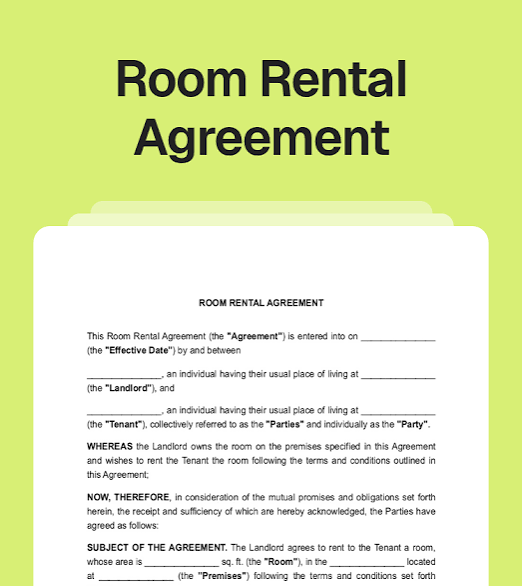
When I sit down with a property owner who’s renting out a place for the first time, I always start with a residential rental agreement template, because it forces you to think through the rental arrangement before problems show up instead of after. A well-drafted rental agreement spells out who pays for repairs, who covers utilities, and what happens if things go wrong.
Yes, drafting it properly from day one saves you from painful disputes down the road. Think of it as protection for everyone involved: landlords get a legal framework that limits their risk, and tenants (or any occupant, really) get clarity on their obligations.Their maintenance responsibilities and security deposit stay locked in for a specified period under one legal contract.
What Is a Lease
People sometimes assume renting out a room is a new idea, but the historical tradition behind it stretches back centuries. The first written lease in England dates to right around medieval England, and modern tenancy still borrows the same basic logic today.
At its core, this kind of document is a standard document that defines the rental relationship between two people for a specified period. Its whole job is to set common terms both sides agree to upfront.
Because every legally enforceable contract needs to hold up in front of a judge if things go sideways, it has to reflect conditions that satisfy local law, state law, and, where relevant, national law. That’s also where landlord-tenant law comes in every region has its own version.So compliance with those rules, along with each party’s obligations, is what actually gives the paperwork its teeth.
What’s Included

Good paperwork starts with the boring stuff, and I mean that as a compliment. You want full names, not nicknames the tenant name, the owner name, plus contact information like a working phone number and email, listed for both parties.
Right below that goes the property description: the address, the property type, how many bedrooms and bathrooms it has, and its furnished status. That way nobody argues later about what was actually included.
Next comes the timeline and the money, which is honestly where most fights start. Note the start date and end date, decide the lease type a locked-in fixed-term lease or a flexible month-to-month lease and set the overall lease term and term length.
Along with renewal terms for what happens once the clock runs out, spell out the rent amount, the due date, and the accepted payment method. Add any late fees, plus the security deposit and deposit rules for getting that money back.
Then you get into the permitted use of the property and what counts as prohibited use no running a business out of a bedroom, for instance. Alongside that come house rules covering things like a pet policy, no pets allowed clauses, smoking restrictions, and a general smoking policy.
Add noise restrictions, parking restrictions, occupancy limits, and a firm no subletting line if you don’t want strangers moving in unannounced. Every one of these restrictions and limitations has to stay inside fair housing law, so nothing here can discriminate against anyone.
Maintenance deserves its own section, not just a footnote. Define maintenance responsibility and repair responsibility clearly, along with realistic repair timelines, plus a plan for emergency procedures when a pipe bursts at 2 a.m.
Cover routine maintenance, who handles utilities included in the rent versus utilities responsibility for the tenant. Note what appliances and furnishings come with the unit, and any alterations or improvements the tenant wants to make plus the landlord’s right of access and required notice requirements before walking in.
Before anyone moves a box in, a move-in inspection and the tenant’s rental application should already be on file, matching the rental property details on the document itself. Near the end, cover termination conditions and any early termination clause, so both people know their notice requirements if they need out early.Close with clear signatures from everyone involved without that, none of the rest of it means much.
Types of Lease

Not every rental looks the same, and that’s honestly a good thing you can match the paperwork to the actual situation. A standard rental agreement works fine for most homes, but a month-to-month agreement gives both sides an easy exit with 30 days notice.
That suits people who don’t want a fixed-term lease locking them in for twelve months or even six months. If you’re renting out one bedroom instead of a whole unit, a room rental agreement covers shared spaces and occupants sharing the same roof.
Landlords with an extra unit or a house they want someone else to live in temporarily often deal with a sublease. That always needs the original landlord consent before it’s valid you can’t just hand off your keys and disappear.
On the commercial side, things get more specific. A commercial lease usually spells out the exact business activity allowed on-site, whether that’s an office space, a retail store, or even a warehouse, and it may require a license depending on what’s being run there.
A restaurant lease goes a step further with equipment clauses covering ovens, hoods, and grease traps, since restaurant space comes with its own set of regulations and maintenance clauses. Then there’s the vacation rental, the kind you’d book through Airbnb for a weekend or a week.
It needs its own check-in and check-out times, a clear cancellation policy, and a firm pet policy, since short stays bring their own headaches. Even a car rental agreement follows this same logic: negotiable terms, a termination clause, and a residential lease-style structure adapted for a different kind of asset entirely.
Why Use a Template
Starting from a template instead of a blank page is just smarter, and I say that after watching plenty of DIY landlords learn it the hard way. A good one arrives with pre-set clauses already built in, so you’re not wrestling with legal terminology you’ve never seen before.
That alone makes it cost-effective and genuinely time-saving compared to hiring someone to draft from scratch. Because it’s customizable, you can add clauses, remove clauses, or modify clauses until it actually fits your property instead of someone else’s.
The bigger win, though, is what it does for everyone’s nerves. A binding document with defined responsibilities gives real legal protection to the property owner while still respecting tenant rights, which cuts down on dispute reduction headaches later.
Spell out who handles appliance repair versus furniture replacement, add a conflict resolution clause for when disagreements pop up anyway. You’ve limited real lawsuit risk and property damage exposure, and that kind of peace of mind is worth more than the ten minutes it takes to fill one out.
Steps for Creating a Lease Agreement
If you’re building one from the ground up, work through it in order instead of jumping around. Start by trying to identify requirements specific to your property, then choose template from a trusted source something like LegalZoom works fine for a basic version.
From there, fill blanks with the real details, names, dates, and dollar amounts, then customize template wording so it actually matches your unit instead of someone else’s. Add any pet rules or smoking rules you want enforced, and write everything in clear language, not legal jargon nobody actually understands.
Watch out for ambiguity or ambiguous language that could be read two different ways later. A vague damage definition is exactly what causes a breach down the line.
Before anyone signs anything, take time to review agreement details line by line, and don’t skip a step to check local laws for both city compliance and state compliance. A quick lawyer review or basic legal advice never hurts, especially around a right of entry clause and notice period language.
Once it’s ready, sort out the Rent Agreement Sample actually looks professional, then move to get signatures. A witness can help validate signatures if you want extra protection and hand over copies to everyone involved so nobody’s left guessing what they agreed to.
Some of this only matters once you go digital, but it’s worth knowing about. Once a signed lease is done through electronic signature, most platforms store it in a Docusign account or similar spot, so you get secure storage for the downloadable document without digging through a filing cabinet.
You can still request a print copy if you’d rather hold paper, or just hit download document whenever you need it again. Beyond the signing itself, some platforms turn a customizable template really any free lease agreement template you start from into an entire connected workspace.
Think an AI Work Platform that tracks renewal dates, maintenance tasks, and budgets all in one place, cutting down dispute reduction issues simply because nothing gets lost or forgotten. Just remember that state laws still apply no matter how slick the software is the tech organizes things, it doesn’t replace knowing your local rules.
FAQs About Rent Agreement Sample
What should a lease agreement template include?
A solid one needs the basics covered from top to bottom: tenant names and landlord names, the full property address, the lease term, the rent amount, its due date, and the security deposit figure. Add in house rules, a fair pet policy, parking rules, who’s responsible for maintenance duties and utilities, plus renewal terms and termination terms for how things end.Depending on your location, you may also need certain legal disclosures built in before anyone puts down signatures.
Is a lease agreement template legally binding?
Yes, once both parties actually put down a signature, the agreement becomes legally binding — but don’t stop there. Laws vary by city, state, and even country, so a quick legal review before anyone signs is always a smart review to run through first.
Can I customize a lease agreement template?
Absolutely, and most people do. You can customize the duration, the rent terms, the rules, and the exact responsibilities each tenant and landlord carries. Just keep any changes lined up with compliance under your local law, and don’t strip out required clauses or the disclosures and fees that legally need to stay in there.
What’s the difference between a lease agreement and a rental agreement?
A lease agreement usually runs for a fixed term — often six months or twelve months — with locked-in terms that stay put until it ends. A rental agreement tends to run month-to-month instead, with changed terms possible any time either side gives proper notice.
How can monday.com help manage lease agreements?
A platform like monday.com gives landlords one shared workspace for lease documents, renewal dates, maintenance tasks, budgets, and payment reminders, so nothing slips through the cracks. It won’t replace a proper legal review, but it does make the day-to-day tracking a lot less chaotic.