
Indore sits in the heart of Madhya Pradesh, and this Central India city has turned rapid urbanisation into real economic growth for anyone eyeing property investment here.
I always tell first-time buyers that this guide breaks down the factors, benefits, and risks in plain terms, so nothing feels like a guessing game. Sitting along the Delhi-Mumbai Industrial.
Corridor gives Indore a strategic location that few Tier 2 cities can match, and municipal data points to roughly annual price appreciation over the past five years.
That kind of growth doesn’t happen in isolation. National migration rate figures showed movement from rural areas and from urban cities during the pandemic years, and a lot of that traffic left crowded Tier 1 cities like Mumbai.
Kolkata, Delhi, and Bengaluru in search of a calmer lifestyle and better job opportunities. IT companies noticed the same pattern and started backing Tier cities such as Jaipur, Lucknow, and Kochi.
With Indore earning its “Mini Mumbai” nickname thanks to a rich mix of culture, commerce, and opportunity.
Every seasoned agent I’ve spoken with agrees the local real estate market rewards patient investors who understand what drives returns here.
Think of this piece as a trusted partner for your informed decisions, whether buying a home is a financial decision for your family or a portfolio move in a growing city.
We’ll walk through the key factors every first-time investor should weigh before picking a real estate company, so you can make a well-informed decision armed with the key aspects that actually matter.
Why Invest in Indore
Indore carries the largest economy in Madhya Pradesh, and locals often call it the state’s business capital and trading capital rolled into one.
Strong activity in trading, finance, and distribution has made real estate investment here feel less like a gamble and more like backing a proven engine.
What impresses me most is how much of a diversified economy this is; it never leans on a single industry for its health.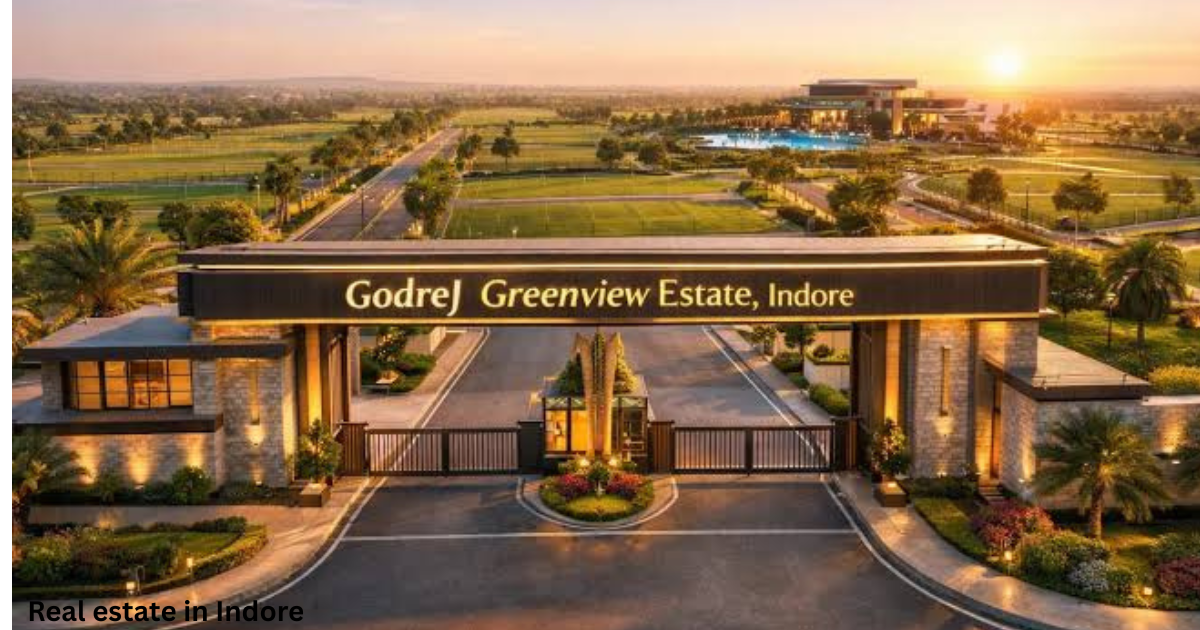 IT giants like Infosys and TCS operate alongside long-established manufacturing companies, while a thriving educational sector built around respected universities keeps young talent flowing into the city.
This mix creates a genuinely stable job market that pulls in professionals and students from across the region.
Every fresh graduate who stays back needs somewhere to live, and that steady pull keeps demand healthy for both residential space and commercial space year after year.
Infrastructure & Connectivity
Nothing reshapes a city’s skyline quite like transit, and the Indore Metro Rail paired with the Super Corridor project is genuinely changing the urban landscape here. Easier access through the Devi Ahilya Bai Holkar.
The Airport and the upcoming Bus Rapid Transit System, known locally as BRTS, keeps improving day-to-day connectivity for residents. This metro project is one of the clearest signs that Indore is playing the long game.
Beyond rail, expanding road networks under the Smart City initiative are tackling waste management, traffic management systems, and public transportation all at once.
Watched property values climb fastest in pockets touched by this kind of infrastructure development, and that pattern rarely reverses.
New highways and planned metro stations near schools, hospitals, commercial zones, and transport hubs are exactly where I’d point to a buyer chasing long-term demand.
Affordability
What keeps surprising out-of-town buyers is how affordable Indore still feels even in its best pockets. Areas like Vijay Nagar and AB Bypass Road trade in the per sq ft range.
Which counts as a bargain among prime commercial areas anywhere in India. Compare that to Mumbai or Delhi, and Indore looks like an entirely different, gentler world.
That gap between Indore and other metro cities is exactly what makes this an accessible market for people just starting out.
First-time investors get lower entry points here than almost anywhere else in the country, seeking solid potential returns without stretching their savings thin. Affordability, in my experience, is Indore’s quiet superpower.
Location & Prime
Ask any local broker where demand runs hottest, and Palasia, MG Road, and South Tukoganj come up almost every time thanks to their proximity to business districts, educational institutions, and entertainment hubs.
Rajendra Nagar stands out too, sitting close to Crystal IT Park and Global Business Park along Annapurna Road, with projects like Manas Ishwari Green and Shrida Residency pricing between per square foot.
AB Road, also called Agra-Bombay Road, averages near per sq ft and stays busy with commercial establishments and residential complexes side by side.
Further out, Bhawarkua has quietly grown from a sleepy suburb into a genuine opportunity zone priced around per square foot, while Bengali Square, anchored by Indore Bhopal Road and Uno Business Park, ranges from to.
The Super Corridor, stretching from Indore Junction toward Rau, has become the city’s favourite IT hub, packed with luxurious apartments and commercial plots built for strong capital appreciation.
Vijay Nagar remains a classic pick thanks to Ring Road, MR-10, and the BRTS network, plus nearby schools, colleges, and hospitals that keep rental income flowing for long-term investors.
Don’t overlook Indore-Ujjain Road, where new highway work is unlocking genuinely affordable property options for patient buyers.
Zone-wise, South Indore suits families chasing residential complexes near business hubs, North Indore attracts buyers after luxury properties and upscale living.
East Indore keeps drawing attention for its infrastructure projects in progress. West Indore, meanwhile, has quietly become a commercial hub worth watching closely.
Property Type
Deciding between residential apartments and commercial space is usually the first fork in the road for any buyer I coach.
Residential apartments tend to feel risk-free, come with manageable maintenance, and suit most beginners just fine.
Plots offer a different kind of appeal, real freedom of use though they demand a bigger upfront cheque and sometimes tangle you up in regulatory approvals.
Commercial spaces, especially retail outlets and office spaces, can generate excellent rental income when they sit in genuinely prime locations.
A residential property remains the safer choice for most first-time buyers, and Indore’s expanding population and growing middle class keep demand steady for apartments, villas, and homes alike.
Commercial property can offer higher returns, but it also carries increased risks and depends on solid cash flow, which is exactly why I always recommend a proper real estate consultation before committing.
Developer Due Diligence
RERA, short for the Real Estate Regulatory Authority, has genuinely changed how buyers trust the market in Madhya Pradesh.
Every builder now needs real transparency and accountability, and all commercial projects must register on the RERA portal before selling a single unit.
For under-construction properties, that registration makes due diligence on builders dramatically easier than it used to be. I always tell clients to check a builder’s track records and past project performances before signing anything, since even a small history of legal disputes should raise a red flag.
Names like Agarwal Realinfra LLP and Pumarth Infrastructure come up often as developers with clean reputations, thanks partly to the Real Estate Regulation and Development Act acting as a genuine safety net with clear dispute resolution paths.
Proper legal scrutiny means verifying land titles for legal encumbrances through a qualified lawyer, reviewing every set of property documents, and booking a physical inspection to confirm structural soundness and flag any repair needs.
Confirm the project meets local building codes, and where possible bring in a professional inspector before you commit. If you’re eyeing something still being built, check that all development approvals for construction and zoning regulations are actually in place.
Beyond that, verify the title deed names the rightful owner, confirm approvals from local authorities, and ask for the occupancy certificate proving the unit is fit for habitation, along with the land use conversion certificate showing proper legal conversion of the plot.
Budget & Financing
Every property search should start with a realistic budget built around current market rates for your target property type, location, size, and amenities.
If renting the unit out is part of the plan, factor in proximity to tenants’ needs, likely vacancy periods, and ongoing property management costs from day one.
Comparing loan options across different banks and financial institutions early saves real money later.
Pay close attention to interest rates, loan terms, and down payment requirements, since small differences compound fast over a long tenure.
Weighing several down payment options from different lenders helps you settle on the right one, and checking your loan eligibility against credit score, income, and existing debts lets.
You pre-qualify and know your true borrowing capacity before you fall in love with a flat. Don’t forget the extras either registration fees, stamp duty, property taxes, and possible renovation expenses all belong in the same spreadsheet.
Buyers generally lean on home loans for straightforward purchases, though developer financing shows up often for pre-launch or under-construction projects.
Private funding can make sense for larger commercial properties, and the good news is Indore genuinely spans everything from affordable homes to full luxurious estates, so there’s a financing path for nearly every budget.
Growth Potential & Risks
No market is risk-free, and honest infrastructure development gaps still show up in pockets like Rau and Manglia, which can mean slower appreciation for early buyers.
Regulatory uncertainty is real too; even welcome changes like RERA implementation brought fresh transparency alongside some short-term complexities for builders adjusting to the rules.
Market volatility, tied closely to broader economic conditions, shifting interest rates, and everyday demand-supply dynamics, can catch newer investors off guard.
I still remember the slowdown the market went through after demonetisation hit in 2016, only to stage a genuine recovery within a couple of years.
Land title disputes crop up more often in older areas and underdeveloped regions where land records were never properly maintained, and skipping due diligence there can lead straight to legal hassles and painful financial losses.
Economic factors like job creation and industrial development around Pithampur and Sanwer Road can swing prices either way, sometimes triggering stagnation or outright depreciation when momentum stalls.
On the brighter side, watching supply and demand alongside economic development, new business hubs, and fresh IT parks tells you where the next wave is headed.
Government policies, evolving real estate laws, and taxes all shape the bigger picture too, so staying updated genuinely pays off.
Ultimately your ROI can come from steady rental income, gradual property appreciation, or eventual resale value, and I always remind people.
That real estate rewards long-term investment far more reliably than it rewards chasing short-term gains.
Unique Sections
Buying smart in Indore starts with a genuine market survey to set your investment budget, then narrowing choices to shortlist properties that match your personal criteria for location, size, amenities, and growth potential.
From there, real site visits matter more than photos ever will check infrastructure quality, distance to hospitals and schools, transportation options, and the overall neighbourhood ambience with your own eyes.
A thorough background check on the seller or builder, plus a careful read of every property document, ownership records, and land title.
Protects you long before you sign anything, and every set of local authorities approvals should be confirmed before you draft a sale deed or purchase agreement.
Once the documentation clears, paying stamp duty and registration charges closes the deal properly.
Beyond the paperwork, Indore rewards buyers with genuine affordability paired with lifestyle extras like gyms, pools, and parks projects such as Pumarth Serenity and Tulip Garden prove the point nicely.
Real estate in Indore services, respected names like Daly College and the Prestige Institute of Management near New Palasia.
A warm blend of culture and tradition seen every year at the Indore Marathon and Khajrana Ganesh Temple all add real quality of life on top of the numbers.
The Smart City Mission, backed by over a crore and aimed at a target, keeps unlocking fresh employment opportunities through zones like Pithampur SEZ and the Sanwer Road Industrial Area.
A 31 kilometres stretch of the Indore Metro, alongside the Indore Ring Road, is steadily easing traffic congestion across the city.
Before you buy, though, get honest with yourself about investment duration. Are you chasing quick profits or building long-term wealth and being equally honest about your risk tolerance for market fluctuations and vacancy rates?
Solid buyers track real market trends, keep an eye on emerging areas, calculate expected rental yield against likely purchase price, and lean on expert advice from established real estate companies rather than guessing. Watching property values and rental trends over time separates informed investors from lucky ones.
It also helps to remember Indore was once written off as a plain Tier-2 city, yet its urbanization and steady infrastructural development have pushed its residential segment, commercial segment, and industrial segment all upward together.With demand, supply, and pricing trends across emerging locations worth watching closely in the years ahead.
FAQs About Real estate in Indore
Why is property investment in Indore considered good?
Indore has earned its reputation as the financial capital of Central India, and that status alone tells investors a lot. Backed by roughly year-over-year growth and steady Smart government initiatives, the city keeps delivering solid returns to patient buyers.
Why does property investment in Indore matter?
A genuinely growing real estate market, a rare strategic location, and strong economic prospects all line up in Indore’s favour right now. Buying here isn’t just about today’s price tag, it’s about long-term financial growth and lasting stability for your family. That’s the kind of decision that ages well.
What factors should be considered before investing?
Before signing anything, weigh economic growth, infrastructure, and affordability side by side for the area you’re considering. Check the expected rental yield, realistic growth potential, and genuine location demand in that specific pocket.
What are the benefits of investing in Indore real estate?
Buyers get real affordability without giving up amenities, plus close proximity to essential services that make daily life easier. The city’s natural cultural balance, its Smart City status, and healthy economic growth and employment growth all add up nicely.
Which are the top locations for investment?
Rajendra Nagar and AB Road lead the commercial conversation, while Palasia stays a favourite for upscale residential buyers. Bhawarkua appeals to first-timers chasing value, and Bengali Square keeps attracting attention for its balance of price and connectivity. Each pocket suits a slightly different kind of investor.