
In my years of guiding buyers, I have seen the Sale Deed work as the single most crucial document in any property transaction.
This paper acts as legal evidence of the ownership transfer from the seller to the buyer, and it only holds true legal value once it gets stamped and signed before the registrar at the sub-registrar’s office.
An unregistered deed carries no weight in court, so I always tell clients to demand a legally recognized copy that spells out the terms and conditions clearly, since this single legal document gives you a clear title.
Works as solid proof of sale, and protects your ownership, especially on resale properties where the paper trail matters most during registration.
Mother Deed
A Title Deed, sometimes called the Mother Deed, tells you the full ownership history of a property, and I never let a client skip this step.
This paper should show the seller’s name, list the property specifications, and confirm there are no existing loans or encumbrances hanging over the land.
Reading the chain of title carefully helps you spot gaps or hidden disputes in the sequence of ownership, and a proper title report backs this up with real legal standing.
Before you sign anything, get lawyer verification, confirm the legal approvals, cross-check the land records at the Sub-Registrar’s office, and only then can you trust.
The authenticity of the paper and walk away with a marketable title and full ownership rights, giving you a genuinely clear title.
Encumbrance Certificate
An Encumbrance Certificate, or EC, is the paper I ask for first when a client worries about hidden debt on a property.
It lists every entry tied to the land, from mortgages and unpaid loans to any ongoing litigation, and pulling records covering anywhere from years from the sub-registrar’s office gives a full picture of past transactions.
A Nil EC means the property carries no financial liabilities or legal liabilities at all, which matters hugely if you’re applying for a home loan.
I always suggest a careful review of every line before registration, since this single certificate can save you from someone else’s debt becoming your problem.
RERA Registration
RERA, short for the Real Estate Regulation and Development Act, 2016, brought real transparency to Indian property buying, and I treat it as a non-negotiable check.
Visit the RERA portal, search using the project name, developer name, or the RERA number, and you’ll get the full project details in minutes.
This step works like a safety net, particularly for NRIs who cannot inspect a site in person, and checking a builder’s delivery history and online reviews tells you a lot about a registered developer’s track record.
Always match the builder-buyer agreement against the official RERA filings to be sure nothing has been quietly changed.
Occupancy Certificate
The Completion Certificate, or CC, confirms that construction followed the approved plans, while the Occupancy Certificate, or OC, proves the building meets safety standards and is fit for occupation.
Without both, I have seen buyers struggle to get utility connections, secure home loans, or complete registration smoothly. 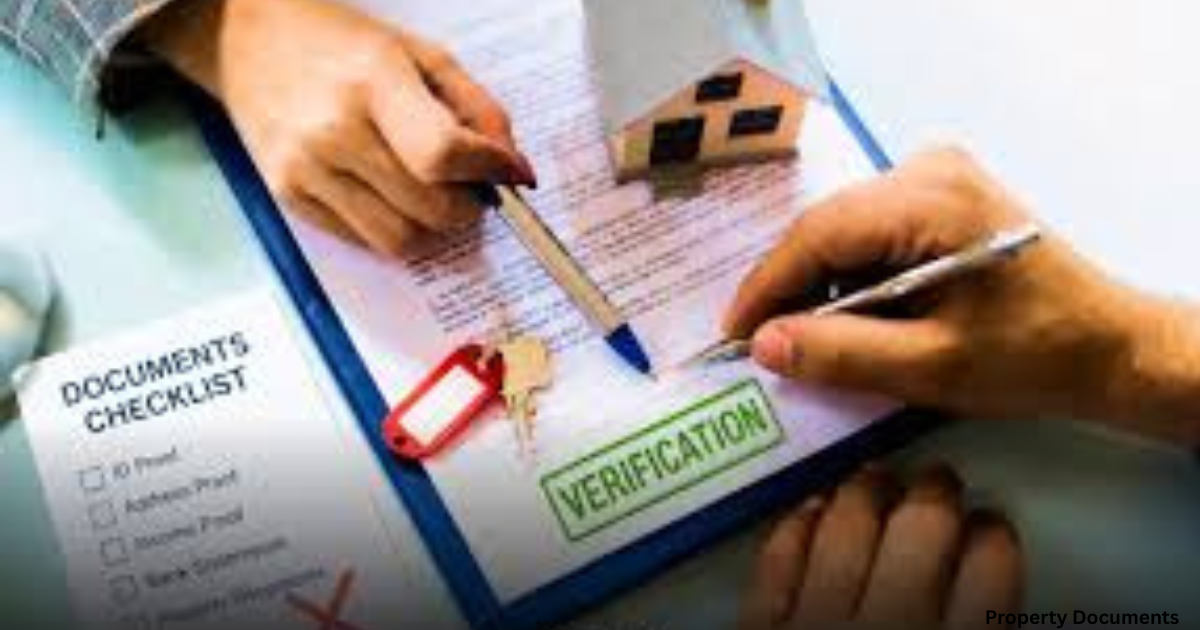 These two papers together prove building compliance and tell you the flat is genuinely ready for living, and skipping this check can also hurt you badly at the time of resale.
Approved Building Plan
An Approved Building Plan, also known as a building approval certificate, comes from the municipal authority and confirms the layout follows local municipal laws and zoning rules.
I always warn buyers away from any project without one, since unauthorized construction that ignores construction norms can be demolished or penalized later.
Khata Certificate
The Khata Certificate plays a big role in tax assessment, and even though the sale deed remains the primary proof of ownership, this record from the municipal authority still matters for legal recognition and smooth utilities transfer.
I have watched banks ask for it during loan applications, and skipping it can create headaches around taxation down the line.
No Objection Certificate
A No Objection Certificate, or NOC, needs to come from every party with a stake in the property the housing society, the builder, banks holding an existing loan, and even the fire department or pollution board in bigger projects.
I always tell clients to collect NOCs from all relevant authorities, including local municipal authorities and the electricity board, because a missing NOC can trigger legal complications later.
These certificates confirm there are no pending dues or liabilities tied to the deal, making the ownership transfer far less risky and clear of disputes.
Property Tax Receipts
Property Tax Receipts are simple but easy to overlook, and I always ask sellers for the latest copies to confirm all municipal taxes are cleared.
These receipts double as extra ownership proof, recognized by civic authorities, and checking that utility bills for water, electricity, and gas carry no pending dues protects you from taking on someone else’s liability.
Possession Certificate
A Possession Letter or Possession Certificate marks the physical handover of a property, and for a fresh flat, the developer or builder issues it directly to the first owner.
For resale deals, the seller must pass this document to the buyer, and it becomes essential for home loan disbursement, confirming the exact possession date even though it does not, on its own, transfer legal ownership.
Agreement to Sell
The Agreement to Sell, sometimes called a Sale Agreement, comes before final registration and spells out the sale price, the payment schedule, and the advance payment terms so both sides know their obligations up front.
A well-drafted version includes a penalty clause, an indemnity clause, an encumbrance clearance confirmation, and a fair dispute resolution process, along with clear delivery timelines, the transfer date, and the exact possession date.
Banks usually want this paper for any home loan application, since it lists the property specifications and proves the buyer’s intent to purchase in good faith.
Allotment Letter & Builder-Buyer Agreement
For under-construction flats, the Allotment Letter works as the booking confirmation, listing unit details, pricing, and the payment plan you agreed to with the builder.
The Builder-Buyer Agreement takes this further by locking in the construction timelines, the possession dates, and the penalties for delay, plus the refund clauses if something falls through and any bank processing a home loan will ask to see both.
Power of Attorney
A Power of Attorney, or POA, lets an appointed person act as your representative in a deal, which I have seen work well for NRIs who cannot travel for registration.
It only carries weight when it is notarized, legally executed, and, in many states, filed as a registered POA, because courts have repeatedly ruled that a POA alone cannot complete an ownership transfer. I always caution buyers about the risk of misuse, since a poorly drafted POA can open the door to fraud.
Why Property Documentation Matters
Solid paperwork keeps a purchase honest, and I have seen good documentation prevent disputes and outright fraud before they start.
It builds transparency, confirms a clean ownership history, and satisfies every rule of legal compliance, which is exactly what turns a simple purchase into a legally valid transaction once registration is done.
Risks of Incomplete Documents
Skipping even one paper can bring real trouble. I have watched buyers face registration delays, sudden ownership disputes, and outright home loan rejection because something was missing.
Worse still, hidden encumbrances and regulatory non-compliance can lead straight to legal invalidation of the entire deal.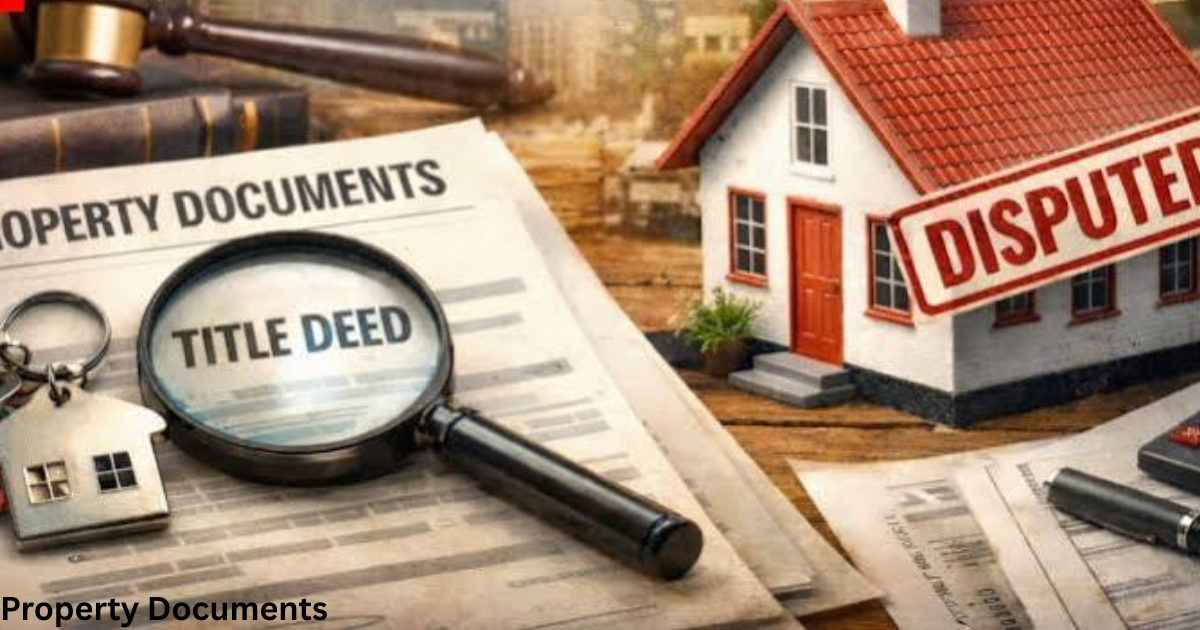
Mutation of Property
Mutation updates the land revenue records with the new owner’s name, and this ownership update happens at the Tehsildar’s Office. It matters for future tax payment and helps avoid disputes if the property changes hands again.
Society Share Certificate
In a cooperative housing society, the Society Share Certificate confirms your ownership rights and grants formal society membership. Banks often request this paper during home loan approval, so keeping it safe matters as much as the sale deed itself.
Land Records Check
Checking Land Records means going through survey plans and revenue records to trace the past ownership history of a plot, which I recommend for every land purchase, no exceptions.
Home Loan Documents
Applying for a loan means gathering ID proof, income statements, and recent bank statements, alongside the property’s sale agreement and a bank-ordered valuation report.
Identity and Address Proof
For seller verification, standard identity papers like Aadhaar, Passport, Voter ID, or a Driving Licence confirm exactly who you’re dealing with before any money moves.
How to Ensure a Secure Transaction
A careful legal review paired with genuine expert verification keeps a deal safe, and staying alert with real fraud vigilance matters more than ever.
I’ve come across scam warnings involving fake court hearings used to trick buyers into transferring money, so always double-check anything that feels rushed or unusual.
Commencement Certificate
A Commencement Certificate is the formal permission a local authority grants before construction starts, and while it carries less weight than the OC or CC, I still treat it as part of proper due diligence.
Approved Layout Plan
An Approved Layout Plan covers the whole project, mapping out roads, green zones, and shared amenities, and confirms you’re buying into a legally sanctioned project rather than an informal one.
Key Factors to Review
Before signing anything, review the title, confirm all approvals, check for pending liabilities, and satisfy yourself on financial compliance. Pair that with a look at overall legality, safety, and every project-level document, and you’ve covered the essentials.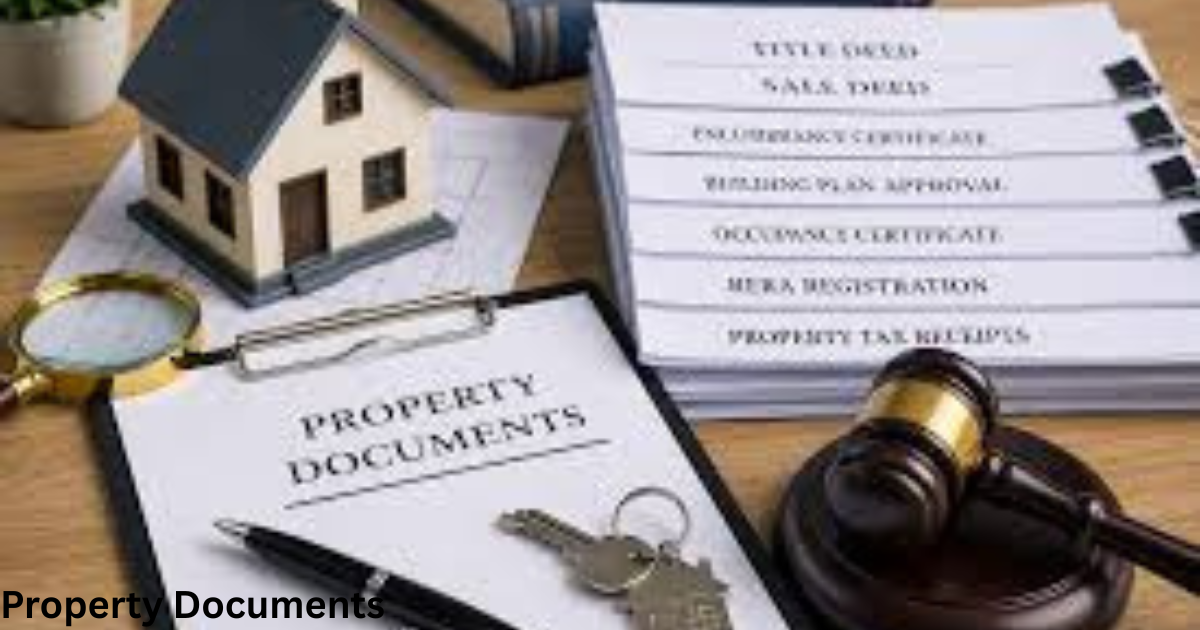
How to Verify Property Documents
Verifying paperwork starts with a visit to the Sub-Registrar’s office, followed by a consultation with a legal expert who can spot problems you might miss. It also pays to check builder credentials, their delivery history, and genuine online reviews from past buyers.
When to Collect
Different papers matter at different points; some are needed at the booking stage, others during loan approval, more at the registration Property Documents set at the possession stage.
Documents Required for Property Registration
Registration day calls for the original sale deed, stamp duty receipts, registration fee receipts, and passport-size photographs of both parties.
Keep ID proofs, EC copies, NOC copies, and the Power of Attorney ready as well, since missing even one can stall the process.
Documents Required to Sell Property
Selling later is easier when you’ve kept the sale deed, title deed, encumbrance certificate, tax receipts, your ID proof, and the Power of Attorney safely filed away from day one.
FAQs About Property Documents
What is the best proof of property ownership?
The Title Deed stands as the best proof of ownership in most cases, working alongside the sale deed as the primary proof of a completed purchase.
What documents should be checked before buying a flat?
Before buying a flat, I always check the Title Deed, the Sale Deed, and current RERA registration first. Then I move to the Encumbrance Certificate, Property Tax Receipts, the Occupancy Certificate, all relevant NOCs.
Is an NOC necessary, and why?
Yes, an NOC from the housing society, banks, and local authorities genuinely matters, because it rules out financial disputes, legal disputes, and even structural disputes tied to the property.
What’s the difference between Title Deed and Sale Deed?
A Title Deed proves legal ownership, while a Sale Deed records the actual ownership transfer from seller to buyer they work together, not as substitutes.
What happens without an Occupancy Certificate?
Without an Occupancy Certificate, you lose proof of safety compliance and legal compliance, which can block home loans and make resale far harder down the line.
What is a Possession Certificate, and when is it needed?
A Possession Certificate confirms legal possession of a property and gets requested during registration and while processing home loans.