
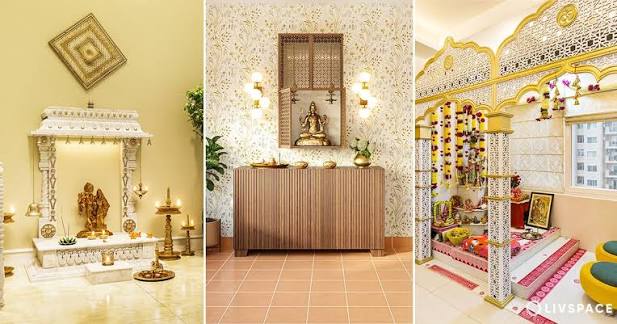
I still remember how my grandmother kept her mandir spotless every single morning, lighting the lamp before sunrise, arranging fresh flowers, and making sure every idol sat in its rightful place.
That quiet devotion she carried has always inspired me to treat pooja room organisation not just as a design task, but as a deeply spiritual practice.
In today’s world, whether you live in a sprawling house or a small apartment, creating a serene sanctuary for daily worship is absolutely possible.
The challenge most families face is that the pooja room slowly becomes a dumping ground for religious items, diyas, old flowers, multiple idols, incense packets all piling up without any real system.
A well organised, clutter-free mandir space does not just look beautiful; it actively lifts the positive energy in your home and sharpens your focus during prayer.
With smart storage solutions, creative design strategies, and a clear sense of aesthetics, even the tiniest corner can transform into a blissful, peaceful spiritual corner that carries genuine divine warmth.
From budget-friendly compact setups to modern mandir designs that blend traditional elements with clean lines, this guide covers every inch of pooja room organisation written from real experience, for real homes.
The goal is simple: help you build a space where worship feels effortless, devotion feels natural, and tranquillity finds you the moment you walk in.
Wall-Mounted Mandir Design for Small Homes
If your home is short on space, a floating shelf altar is hands down one of the smartest space-saving moves you can make for a pooja room organisation.
All you need are a few wooden boards, brackets, and screws to build a clean, stylish shelf that keeps your idols and puja items lifted off the floor, instantly opening up the floor space below.
Once installed, you can paint or stain the wood to match your existing pooja room decor, making the whole setup look intentional and polished rather than improvised.
What I love most about floating shelves is the freedom they give you to play with layers and levels.
Install two or three shelves at varying heights to add dimension and visual interest to the altar area, drape fabric or garlands between them for a soft canopy effect, and tuck in small potted plants, candles, or string lights for extra embellishment.
This layered approach turns a plain wall into a genuinely devotional space that draws your attention upward and inward at the same time.
For homes that prefer a more refined look, a wall-mounted mandir with sleek, minimalist elements works beautifully in modern homes without overcrowding the living space.
These designs maintain strong aesthetic appeal while keeping the sacred character of the mandir fully intact; the visual appeal stays high, the clutter stays out, and every element on the shelf earns its place through both function and style.
Whether compact or extended, a vertical shelf setup is one of the most reliable paths to a truly organised, space-saving pooja room.
Multi-Functional Furniture as Pooja Room Storage
One of the most underrated tricks in pooja room organisation is giving old furniture a second life.An old dresser or cabinet sitting unused in a corner can become a surprisingly effective storage solution.Remove a few drawers to create open shelving for your idols and ritual items.
Keep them intact and label each one for specific purposes like diyas, incense, prayer books, or daily puja items.Even an armoire, wardrobe, or trunk works well if you need to keep certain items hidden from view while still staying organised and accessible.
The key to making repurposed furniture work in a pooja room is in the finishing: a light sand and fresh coat of paint brings old pieces back to life, and choosing a rustic look with unfinished wood actually adds a warm, earthy charm to the sacred space.
Place trays, baskets, and dividers inside the compartments to keep smaller items sorted and prevent the chaos of things rolling around or getting mixed up.
This approach is deeply budget-friendly and keeps the spirit of upcycling alive, which honestly feels quite fitting for a space built around devotion and mindfulness.
For those who prefer a purpose-built approach, multi-functional furniture pieces in teak or solid wood serve as both a pooja space and a storage unit or display unit simultaneously.
A modern wooden mandir with closed cabinets for clutter-free storage, pull-out trays for lamps and incense, hooks for malas and garlands, and proper ventilation for oil lamps gives you beauty.
Durable, multi-purpose setup that fits comfortably within a limited area while meeting both functional and aesthetic needs.
Add a compartmentalized storage system inside and your surface area stays calm, clean, and ready for prayer every single day.
Compact Pooja Room Ideas for Apartments
Living in a compact home does not mean compromising on your spirituality. In fact, some of the most beautiful mandirs I have seen were tucked into a small niche of an unused wall or a forgotten corner of the living room.
The trick with small pooja room design lies in using your layout intelligently.
A compact, triangular mandir shelf that fits snugly into corners can carve out a genuine dedicated pooja space without disrupting the flow of the rest of the room.
These underutilised spaces become sacred the moment you treat them with intention.
Vertical height is your best friend in a small apartment. Install taller shelves or cabinets that draw the eye upward rather than sprawling outward, and use folding doors or sliding doors to enclose the space neatly when not in active use.
Add a few drawers below the main shelf level to store incense sticks, oil-lamps, and other daily pooja items out of sight, keeping the display items to an absolute minimum so the space never feels cramped.
This combination of wall-mounted storage and smart floor space management is exactly what transforms a tight corner into a clutter-free, sacred worship spot.
For homes that need even more flexibility, convertible pooja units are a game-changer; these clever designs can be tucked away or expanded as needed, integrating smoothly into existing cabinets or shelves with a modern marble mandir aesthetic that feels both contemporary and deeply spiritual.
Whether you go minimal or layered, the goal of any compact design is the same: create a space-saving, clutter-free environment where worship can happen with full focus and zero distraction.
Vertical Storage Solutions to Maximize Space
When floor space is limited, thinking vertically is the single most effective strategy in pooja room organisation.
Vertical storage using shelves and hooks lets you organise all your pooja essentials in a structured, upward-flowing arrangement that naturally conserves floor space while keeping everything neatly arranged and within easy reach.
The visual effect of a tall, well-layered pooja setup also creates a beautiful focal point that draws the eye upwards and gives the entire room a stronger sense of space.
Wall-mounted mandir designs and multi-functional pooja shelves are the most practical expression of this idea.
They free up your compact area, make the room feel larger and more welcoming, and eliminate the need for bulky freestanding furniture.
Hidden compartments built into these units are ideal for storing religious paraphernalia, religious books, and smaller ritual items that need to stay handy yet remain completely out of sight when guests arrive or during non-worship hours.
Adding backlit LED lights behind the shelving units gives the entire vertical setup a gentle glow that enhances the visual appeal of your pooja space significantly.
Well-designed pooja doors on the lower compartments complete the look, keeping the setup both organised and visually cohesive.
The result is a sacred space that supports worship with effortless clutter-free efficiency every level purposefully, every inch earning its place in your daily spiritual routine.
Pooja Room Lighting Ideas for a Sacred Glow
Good lighting can completely transform the ambiance of a pooja room, and I learned this the hard way when I switched from harsh white bulbs to warm LEDs in our home mandir.
The difference was immediate and almost emotional. Warm yellow lights work especially well because they closely simulate the glow of traditional oil lamps, wrapping the altar and the idols in a soft, devotional warmth that sets the right mood for daily prayers the moment you sit down.
Pair this with a few LED strip lights tucked along the edges of shelves or behind mirrors and artifacts, and the entire pooja room begins to feel genuinely sacred.
Recessed lights placed directly above or behind your idols work like subtle spotlights, adding spiritual depth to the display without overwhelming the peacefulness of the space.
For a more designer-style touch, pendant lamps dropped above the mandir add visual height and a sense of ceremony to the devotional experience.
Dimmer switches are an often-overlooked addition that I strongly recommend they let you lower the brightness for quiet meditative prayer and raise it during aarti or festivals, giving you complete control over the mood of your spiritual space.
Always avoid cold white lighting in a pooja room it feels clinical and breaks the warmth that a sacred worship space needs. Instead, invest in LED candles that offer a safe, mess-free alternative to real flames, especially if you have children around.
Whether you use pendant lights, table lamps, floor lamps, or a combination, the goal is a visually stunning, devotional atmosphere that makes every single visit to your mandir feel like a genuine moment of glow, ambience, and spiritual connection.
Candle & Diya Holder Styling Tips
There is something deeply grounding about the flicker of a diya in a quiet pooja room; it connects you to tradition in a way that no amount of modern decor ever fully replaces.
Candle holders and diya stands bring warmth, light, and positivity to your altar, and the way you arrange them can either elevate or clutter the entire space.
I always recommend grouping several candle holders together on a tray for maximum sacred ambiance using votives, tea light candles, or diyas of the same color and size creates a coordinated, intentional look that feels both festive and devotional.
Metal, wood, and stone holders are the most durable choices since they withstand flames without warping or staining over time.
Terracotta diya holders are a personal favourite. They are completely eco-friendly, beautifully handcrafted, and available in a wide range of traditional Indian styles that instantly add cultural authenticity to the pooja room.
During Diwali and other festivals, switching to colorful diyas in warm reds and golds takes the festive energy of the space to an entirely different level, making the mandir feel truly alive.
For households with young children or pets, battery-powered LED candles and LED diyas offer the same warm glow as real flames without any safety risk, no need for a fire extinguisher nearby, no risk of accidents during worship.
Whether you use floating candle holders for a magical suspended effect or traditional brass diya stands for authenticity, the key is to keep the arrangement purposeful and avoid overcrowding the altar.
Every candle and diya should feel like it belongs there, contributing quietly to the meditation, prayer, and worship experience.
Traditional Wooden Mandir Design
Nothing in pooja room organisation carries quite the same weight of tradition and warmth as a beautifully crafted wooden mandir.
The natural grain of teak, rosewood, or sheesham gives the mandir a texture and depth that manufactured materials simply cannot replicate.
The earthy tones of these woods blend seamlessly with nearly every home design scheme, whether the rest of your interiors lean modern or classic.
A well-made wooden mandir with temple-style dome carvings and hanging brass bells communicates sacredness and heritage the moment anyone walks into the room.
When selecting wood for your mandir, always prioritise materials that stand the test of time.
Teak in particular is known for its incredible durability and resistance to humidity, making it ideal for a space where oil lamps and candles are lit regularly.
Pair the structure with brass idols or copper idols for maximum authenticity, and keep the carving style consistent with traditional temple motifs rather than mixing too many design languages.
These choices might seem small individually, but together they build an environment of genuine devotional depth and aesthetic coherence.
Finally, lighting matters enormously in a wooden mandir setup: use warm ambient lighting placed subtly behind or below the lamps to bring the wood grain to life and add a quiet sacred glow to the entire structure.
A warm-lit wooden mandir in teak or rosewood, dressed with copper accents and fresh flowers, is not just a piece of furniture it is the spiritual anchor of your home, a daily reminder of tradition, devotion, and the kind of aesthetic intentionality that makes a house feel truly lived in and loved.
Modern Glass & Marble Mandir Design
For those who love a timeless yet thoroughly contemporary feel in their pooja room, glass and marble mandirs offer an elegance that is genuinely hard to match.
These materials naturally reflect light, filling the mandir area with a soft luminosity that gives the space an air of purity and refinement without any extra effort.
A compact wooden cabinet base with marble top shelves combines the best of both worlds: wood for warmth, marble for elegance and the top surface becomes the perfect platform to display idols proudly and beautifully.
When choosing marble, go for white or cream colored stones for a genuinely refined appearance that stays neutral and lets your idols take center stage.
Pair the marble surfaces with gold accents or silver accents, even small touches like gilded frames, brass lamp holders, or metallic tray edging to achieve a royal look that feels both sacred and luxurious without crossing into excess.
Keep the background behind the main idol area deliberately simple to support the idols’ prominence and avoid visual competition.
Installing foldable doors on the lower cabinet section is a practical move that deserves more attention when the mandir is not in active use, closing these doors instantly removes visual clutter from the room and keeps the pooja room looking neat and integrated with the rest of your home’s aesthetic.
Whether in a standalone format or built into a wall niche, a glass and marble mandir brings a contemporary, serene, divine quality to pooja room organisation that feels deeply intentional and quietly magnificent.
Traditional Carvings & Temple-Style Patterns
There is a timeless beauty to traditional carvings that no minimalist design trend will ever fully replace, especially in a pooja room where heritage and history deserve to be celebrated rather than hidden.
Temple architecture has inspired intricate patterns for centuries, and bringing those same motifs into your home mandir through carved wooden panels, ornate arches, and layered tiers creates an atmosphere that feels genuinely connected to something ancient and sacred.
These designs work best in large homes or villas where the proportions of the room can accommodate the visual depth that traditional woodwork requires.
Brass bells hung at the entrance of the mandir area are more than just decorative in temple tradition, the ringing of brass bells clears the air energetically and signals the beginning of worship, making them a deeply authentic addition to any traditional setup.
Ornate arches carved in teak or rosewood frame the idols beautifully, and when combined with brass hardware and warm lighting, the entire mandir begins to look and feel like a miniature temple right inside your home. Even smaller homes can incorporate a single carved panel or a brass lamp stand to bring this traditional energy in at a more compact scale.
For idol placement, always use steps or tiers rather than placing all deities on a flat single surface; this not only reflects temple architecture convention but also creates a natural visual hierarchy that makes the mandir look intentional and well-organised.
Festival decorations like fresh garlands, marigold strings, and brass oil lamps on these tiers elevate the space dramatically during celebrations, turning your traditional carved mandir into a fully immersive devotional experience.
Investing in genuine craftsmanship here pays off for decades; a well-made carved mandir with brass details only grows more beautiful and authentic with age.
Traditional vs Modern Pooja Room Design
The debate between traditional design and modern design in pooja room organisation is ultimately less about aesthetics and more about the kind of sacred space you want to inhabit daily.
Traditional design leans into heavy woodwork, the rich warmth of wood and brass, and temple layout conventions that feel connected to heritage, these setups work beautifully in large homes where the proportions support the visual weight of carved mandirs, ornate brass lamps, and layered devotional display.
There is a rootedness to traditional pooja room design that genuinely cannot be replicated by minimalism, and for many families, that sense of heritage is non-negotiable.
Modern design, on the other hand, prioritises clean lines, minimalism, and multi-use units that integrate the mandir seamlessly into contemporary homes, particularly small spaces where a full traditional setup would visually overwhelm the room.
Contemporary pooja rooms in this style feel uncluttered, calm, and surprisingly spiritual in their restraint; there is a different kind of devotional depth that comes from a sleek, well-lit mandir that holds only what is truly essential.
The aesthetic here is quieter, but no less genuine both design styles are fully capable of maintaining genuine spiritual sanctity; the difference is simply in how that sanctity is expressed.
A traditional carved mandir in teak with brass bells expresses devotion through grandeur and heritage. A modern, minimalist mandir with warm LED lighting and a single idol expresses the same devotion through stillness and focus.
The best pooja room is ultimately the one that reflects your own persona, your values, your aesthetic, your relationship with the divine, built as a sacred space that you genuinely want to return to every single morning.
Vastu Approved Pooja Room Positions
Getting the placement of your pooja room right according to Vastu is one of those foundational decisions that genuinely shapes the energy of your entire home and it costs nothing to get right when you plan ahead.
The north-east corner of the house is universally regarded as the most auspicious direction for the mandir, as it aligns with the natural flow of positive energy and early morning sunlight, both of which support focused worship and a calm, spiritual mindset.
If a dedicated room is not possible, even a north-east-facing shelf or niche carries the same energetic benefit.
Keeping the area completely free of large furniture or statues that might block the natural energy flow clutter of any kind in the pooja room disrupts the subtle harmony that Vastu principles work to create.
The mandir should never be positioned under staircases or anywhere near or adjacent to bedrooms or bathrooms, as these placements are considered energetically disruptive to the sacred atmosphere that worship requires.
In apartments where perfect positioning is not always realistic, using Vastu-approved colors like white, yellow, or light blue on the walls helps compensate and still channels meaningful spiritual benefits.
Always ensure the space is genuinely well-ventilated and receives natural light; both are signs of an energetically alive mandir and are deeply valued in Vastu Shastra for promoting positivity and mental clarity during prayer.
Keep idols consistently facing east or west as per Vastu guidelines, and take the time to declutter the space regularly so the energy flow remains unobstructed.
A pooja room organised with Vastu principles at its core does not just look beautiful, it actively creates a field of calm, focused spiritual energy that you can feel the moment you walk in.
Pooja Room in the Hall Vastu-Friendly Placement
The growing popularity of open plan layouts in contemporary homes has made pooja room integration into the hall or living room not just common but genuinely stylish when done right.
Rather than treating the mandir as an afterthought, use partitions or jaali panels to subtly delineate the mandir area from the rest of the hall.
These structural elements add privacy without building a wall, and when chosen thoughtfully, they become a beautiful design feature in their own right.
Jaali panels in particular are experiencing a real resurgence in contemporary Indian interiors for exactly this reason.
The key to making a hall mandir feel sacred rather than decorative is intentional aesthetic alignment to mirror the mandir’s design language into the overall decor theme of the hall so the transition feels natural rather than jarring.
Use depth of colour on the back wall of the mandir area to visually anchor it within the open space, and add soft backlighting behind the idols to help the mandir stand out as a clear focal point even when viewed from across the room.
This interplay of color, light, and structure is what separates a well-integrated hall mandir from one that simply feels misplaced.
Above all, keep the hall mandir area consistently tidy and clutter-free because unlike a dedicated pooja room with a door you can close, a hall mandir is always visible and always contributing to the energy of the entire living space.
Minimizing clutter here is not just about aesthetics it directly affects how welcoming and spiritual the entire hall feels to everyone who enters.
A clean, beautifully integrated, thoughtfully delineated mandir in the hall communicates something important: that sacred space and everyday living are not opposites, but genuinely divine companions.
Artistic Backdrops for the Mandir Wall
An artistic backdrop is one of the most underutilised tools in pooja room organisation, and once you try it, it is genuinely difficult to go back to a plain wall behind your mandir.
Wallpapers or carved panels featuring spiritual motifs or religious motifs, lotus patterns, deity silhouettes, and sacred geometry instantly elevate the entire pooja room into something that feels curated and deeply devotional.
The backdrop becomes the visual heart of the space, framing your idols and lamps in a way that draws the eye naturally toward the mandir and holds it there.
Metallic gold and copper accents in the backdrop design serve a beautiful dual purpose.
They look stunning at all times, and during aarti, when the lighting dances off these surfaces, they fill the room with a warm, shimmering color and radiant devotion that is genuinely moving.
Textured finishes in the backdrop add depth and tactile richness to the wall, preventing it from looking flat or two-dimensional even in smaller pooja rooms. Incorporating actual metals, copper sheets, brass panels, or gold-leafed accents into the backdrop brings a luxurious quality to the space without requiring an expensive renovation.
Whatever material or pattern you choose, always anchor the backdrop in a calming and complementary color scheme that supports the meditative purpose of the pooja room rather than competing with it.
Deep saffron, warm ivory, muted gold, and soft terracotta all work beautifully as backdrop tones, creating a sacred, divine atmosphere that feels warm and spiritually charged throughout the day.
A well-designed artistic backdrop in your pooja room is not decoration, it is a declaration of worship, aesthetic intention, and genuine respect for the spiritual space you have created.
Fabric Canopy Ideas for a Dreamy Altar
A fabric canopy is one of those beautifully budget-friendly ideas that somehow manages to look far more expensive and intentional than it actually is, which is exactly why it earns its place in thoughtful pooja room organisation.
Using just a few yards of sheer fabric in cotton, voile, or muslin, you can drape a soft canopy above your altar that instantly gives the entire mandir area a heavenly, ethereal quality that heavier materials simply cannot achieve.
Light, airy fabrics in white or pale cream catch ambient light beautifully and create a quietly luminous backdrop for your worship space.
The installation is genuinely simple: secure the fabric to the ceiling using a wooden dowel or copper pipe anchored into wall studs, then drape the fabric downward in soft folds on either side of the altar.
For a more bohemian feel, layer the fabric in loose swaths at varying heights to create organic movement and visual texture.
Pair the fabric canopy with small candles, fresh flowers, or hanging string lights and the transformation of your pooja room is immediate, striking, and deeply devotional.
A fabric backdrop on the wall behind the mandir works on the same principle: measure the wall, hem the edges of your chosen fabric carefully, and secure it in place using fabric glue, velcro, or discreet staples.
The result is a sacred, divine quality added to the pooja room that changes completely the moment you swap in a different fabric for a festival or season.
Whether used as a full canopy overhead or simply as a wall drape behind the altar, fabric is one of the most budget-friendly, creative, and deeply personal ways to make your pooja room feel like a true sanctuary built for worship.
DIY Rangoli Designs for Daily Worship
Welcoming your deities each morning with a fresh rangoli at the entrance of the pooja room is one of those small acts of devotion that carries enormous spiritual weight and it costs almost nothing to do.
Rangoli are colorful designs created on the floor using simple materials like colored rice, dry flour, colored sand, or fresh flower petals, and the act of making them by hand is itself a meditative practice that prepares the mind for worship.
Even the simplest rangoli, a few circles, triangles, or squares drawn with chalk and filled in carefully, transforms the entrance to your mandir into something genuinely sacred.
For beginners, starting with the swastika or om symbol is ideal both are deeply traditional, relatively simple to execute, and carry profound spiritual meaning in the pooja room context.
Stencils make the process faster and more consistent, especially on mornings when time is short, and tracing the outline with chalk first before filling in with your rangoli materials ensures clean, confident edges.
As you grow more comfortable, explore traditional rangoli patterns online the lotus flower, conch shell, and diya are all popular and deeply meaningful motifs that look stunning in front of a mandir.
The beauty of DIY rangoli is that it is endlessly adaptable to your available materials, skill level, and the amount of time you have.
On regular days, a small om symbol in colored rice takes three minutes and is enough.
On festivals, go bigger, combine the lotus flower, diya, and geometric shapes into a full composition that fills the pooja room floor with color, devotion, and genuine cultural pride.
The deities always appreciate the effort, and so will you because the act of making rangoli with your own hands is one of the most traditional, festive, and quietly sacred things you can do for your pooja room.
Floral & Terracotta Decor for a Natural Touch
Bringing floral and terracotta elements into your pooja room is one of the most naturally organic and eco-friendly approaches to sacred space decoration and it is deeply rooted in traditional Indian ritual practice.
Fresh flowers like marigolds, jasmine, and roses placed before your idols carry a pleasant aroma that shifts the atmosphere of the entire pooja room within minutes, while dried flowers offer a longer-lasting, lower-maintenance alternative that still brings natural beauty and devotional energy.
Potted plants positioned near the mandir add genuine vibrancy and a sense of living nature that manufactured decor simply cannot replicate.
Terracotta pots, vases, and hand-painted sculptures in warm orange and red hues create a beautifully grounded, earthy feeling in the pooja room, one that roots the space in the physical world while still pointing toward the sacred.
Fill a few terracotta pots with dry sand or small stones and use them as holders for incense sticks or small diyas simple, eco-friendly, deeply traditional, and absolutely charming.
Hanging plants like money plants or small ferns work particularly well in pooja rooms with vertical wall space, adding vibrant greenery that softens the visual atmosphere without demanding much maintenance.
For those who enjoy collecting natural materials, stones, crystals, and seashells arranged thoughtfully on a small tray near the mandir bring a quiet, mineral energy to the pooja room that feels ancient and grounding.
You can also consider small potted trees like a tulsi plant, arguably the most traditional and sacred plant in an Indian pooja room placed prominently as both a living offering and an act of ongoing devotion.
Combining floral arrangements, terracotta craft, and living nature creates a pooja room aesthetic that feels organic, sacred, genuinely warm, and completely, authentically your own.
Bead Curtains for the Pooja Room Entrance
Bead curtains bring an instantly festive, richly textured quality to the pooja room door or entryway that is genuinely difficult to achieve with any other single element.
Strings of beads in vibrant colors and metallic finishes create an ornamented visual statement at the threshold of the sacred space signalling to anyone who passes through that they are entering somewhere different, somewhere spiritual and intentional.
For a bohemian aesthetic, combine beads in different colors, shapes, and materials freely and let the arrangement be organic rather than rigidly symmetrical.
Choosing auspicious colors like red, gold, and copper for your bead curtain is a deeply traditional move that aligns the decor with the spiritual purpose of the space; these are the colors of fire, devotion, and divine energy in Indian worship tradition.
Natural materials like wood beads and shell beads bring a more subdued, meditative quality to the pooja room entryway, filtering light in soft, dappled patterns that create a calm and zen atmosphere even before you enter the mandir.
Both approaches vibrant metallic or natural organic work beautifully, and the choice ultimately depends on whether your pooja room leans festive or peaceful in its overall character.
Making your own bead curtain is a genuinely enjoyable handcrafted project: thread your chosen beads onto a strong cord or wire in your desired pattern, secure both ends to a dowel, and hang at the door frame for an immediate, striking transformation.
The bead curtain allows light to filter through gently while still creating a visual and physical threshold of privacy between the mandir and the rest of the home.
There is something deeply authentic and sacred about a hand-threaded bead curtain at a pooja room entrance. It carries your energy, your choices, and your devotion in every single bead.
Mirrors & Reflective Surfaces to Brighten the Space
Mirrors are among the most powerful tools available in small pooja room design, and they are dramatically underused in most home mandir setups.
Placing one or more mirrors on a wall opposite any windows allows natural light to bounce across the entire space, creating an airy, open-feeling pooja room that feels far larger than its physical dimensions suggest.
Grouping several smaller mirrors together on a single wall creates a beautiful collage effect that makes the space feel genuinely expansive while adding an artistic layer to the sacred decor.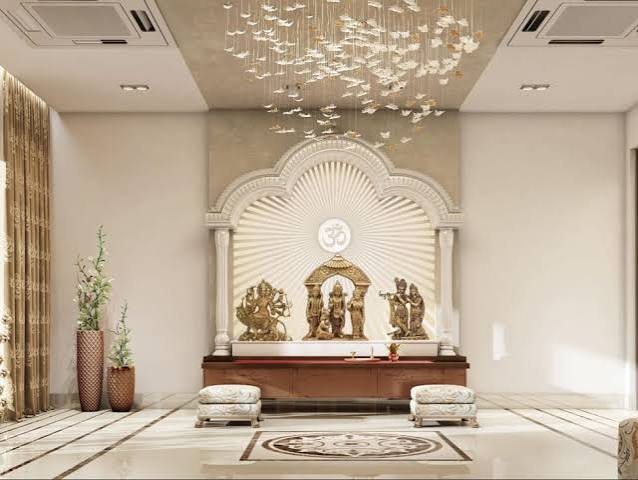 Reflective surfaces beyond traditional mirror stainless steel prayer plates, brass trays, and copper vessels used regularly in worship all contribute a quiet metallic sheen and warm glow to the pooja room that accumulates beautifully over time.
Crystals, gemstones, and glass sculptures placed thoughtfully on shelves catch light and shimmer and sparkle in ways that feel both decorative and energetically alive, adding a subtle vibrancy to the sacred space that pure matte decor cannot provide.
Polished stone surfaces in marble, granite, or quartz on the altar or shelf tops reflect the space back on itself, adding smooth, shiny depth and a feeling of cool, earthy permanence.
With thoughtful use of mirrors and reflective materials, even the most compact pooja room can become luminous, bright, and visually expansive, a devotional area that feels perfectly sized for focused prayer, quiet meditation, and genuine worship.
The reflective quality of these surfaces does more than expand the visual space it multiplies the light of every diya and candle, filling the room with a warm, glossy, living brightness that makes every worship session feel like a genuinely sacred occasion.
Miniature Garden & Nature Elements
Creating a miniature garden inside your pooja room is one of those ideas that sounds ambitious but is actually wonderfully simple and the result, a small living oasis tucked beside your mandir, brings a quality of nature into your sacred space that is deeply calming and spiritually nourishing.
Start with a shallow container; a wide tray, bowl, or low planter works perfectly and lay a base layer of small stones or pebbles at the bottom for proper drainage before adding a generous layer of nutrient-rich potting mix on top.
This simple structure prevents root rot and gives your chosen plants a genuinely healthy foundation to grow from.
Choose plants that share similar light and water needs; succulents, mosses, ferns, and dwarf flowers all work beautifully in a pooja room setting where indirect light is common and humidity from incense and oil lamps linger gently in the air.
Use a spray bottle to mist the garden regularly rather than heavy watering, keeping the potting mix lightly moist without saturating it. Add small decorations stones, shells, or tiny figurines of deities to complete your miniature oasis and tie the garden visually into the pooja room theme.
The true value of a miniature garden in the pooja room lies in the daily act of tending its watering, misting, removing dead leaves which becomes its own quiet form of devotion and worship.
Positioned near a window that receives indirect light or under a grow lamp, the garden stays vibrant and alive, contributing a fresh, green energy to the sacred space that genuinely supports a more peaceful, grounded state of mind during prayer.
It is one of the most budget-friendly, most spiritual, and most quietly beautiful additions you can make to any pooja room, regardless of size.
Wall Decor & Art for the Mandir
The walls of a pooja room are far too often left plain when they hold enormous potential to deepen the sacred, spiritual character of the entire space.
Wall decals featuring lotuses, OM symbols, or images of deities are among the most budget-friendly and impactful tools available; they are fully removable, require no professional installation, and can completely transform the visual identity of the mandir area in under an hour.
Choose decals that complement your mandir’s existing color palette rather than competing with it, and keep the overall wall arrangement calm and intentional rather than busy.
For a more custom, deeply personal look, stencilling mandalas, spiritual symbols, or mantras directly onto the pooja room walls creates something truly unique that no mass-produced decal can replicate.
This is a devotional act in itself the time spent painting these sacred symbols onto your walls with care and intention fills the space with your own energy and personal worship history.
Paired with good lighting, a stencilled mantra wall behind the mandir becomes the most powerful visual anchor in the entire pooja room.
Whatever your chosen approach, decals, stencils, painted panels, or framed deity art always aim for wall decor that creates a sense of divine presence rather than mere decoration.
The difference is subtle but real: sacred wall art in a pooja room should make you instinctively lower your voice, slow your breathing, and feel drawn into prayer rather than simply appreciating the aesthetics.
This is the true measure of successful pooja room wall decor, not how beautiful it looks in a photograph, but how spiritual it makes you feel when you stand before it in worship.
Paper Craft & Origami Decor Ideas
Paper crafts and origami deserve far more credit than they typically receive in pooja room organisation discussions; they are genuinely budget-friendly, deeply creative, and surprisingly beautiful when done with care and intention.
The art of origami, using nothing but carefully folded colored paper, allows you to create intricate shapes and forms that carry real spiritual meaning starting with the lotus flower, which holds a particularly significant place in Hindu tradition as a symbol of purity, divinity, and eternity.
Folded in red, pink, or orange paper, an origami lotus placed at the base of your main idol on the altar is both an offering and a piece of genuine devotional art.
Paper garlands strung across the ceiling or hung in the doorway of the pooja room create a beautifully festive atmosphere on celebration days without requiring any significant investment.
Circular garlands in alternating colored paper are the simplest to make, but more intricate cut-out leaf or flower shapes in marigold yellows and saffron oranges bring real festival energy into the mandir area.
For something more detailed, try paper quilling the technique of rolling narrow strips of colored paper into coils and shaping them into decorative frames to create beautiful framing pieces for your deity photographs or om and swastik symbols on the wall.
Paper pinwheels, folded paper flowers like roses or marigolds, and hand-cut om and swastik banner designs all contribute to a festive, personalized pooja room atmosphere that feels genuinely handmade and intentional.
These sustainable crafts are especially meaningful when made with family members.
The act of crafting together for the pooja room becomes its own form of shared devotion and worship.
Keep a dedicated box of colored paper, scissors, and glue near the mandir for festival preparations, and you will always be ready to transform your sacred space quickly, affordably, and beautifully.
How to Maintain Serenity in Your Pooja Room
The single most important habit in pooja room organisation is keeping the altar consistently clean and uncluttered and this is something I genuinely had to train myself to do.
It is very easy to let offerings, used diyas, wilted flowers, and extra prayer materials pile up on the surface, but the moment the altar looks cluttered, the entire sacred space loses its power to inspire focus and spirituality.
Making it a daily five-minute ritual to clear away what is not needed keeps the mandir feeling fresh, intentional, and genuinely serene.
Use small storage units nearby to organise your essentials store offerings, incense, and other prayer materials in labelled compartments so everything is tidy and ready without creating visual noise on the surface.
The pooja room should always face an auspicious direction as per Vastu or Feng Shui principles, as strategic placement actively supports positive energy flow and makes your worship space feel more aligned and calm.
Avoid placing bold or distracting decorations that pull the eye away from the deities, choose simple yet beautiful design elements that inspire peace and devotion without competing for attention.
Installing floating shelves and wall mounted units is one of the best long-term solutions to prevent clutter from creeping back in when everything gets a fixed home and returns to it after every worship session.
A neutral color scheme on the walls keeps the mind settled and supports a meditative state, while one or two carefully chosen idols or images do more for the energy of the room than a crowded display ever could.
Finish the space with lighting that creates a calming effect, and your pooja room becomes a place of aesthetic continuity, balance, harmony, and true divine connection.
Best Practices for Decorating a Small Pooja Room
Decorating a small space mandir well requires one fundamental discipline: every element must earn its place through genuine function and aesthetic contribution; nothing gets to be there just because it fits.
Getting the scale right is the first priority mandir must be proportional to the room around it, large enough to feel sacred and significant but not so dominant that it overwhelms the entire space and leaves no breathing room.
When the proportions are right, even the most compact pooja room setup carries an authority and presence that draws you toward it naturally.
Reflective surfaces, mirrors, glossy finishes, polished marble are among the most effective tools for visually expanding a small pooja room, bouncing light around and creating a sense of brightness that makes tight spaces feel genuinely open.
Introducing artistic elements like carved doors or thoughtfully designed back-panels serves a double purpose: they function as focal points that anchor the eye, and they maximize space utility by adding visual depth and interest without requiring additional floor or shelf space.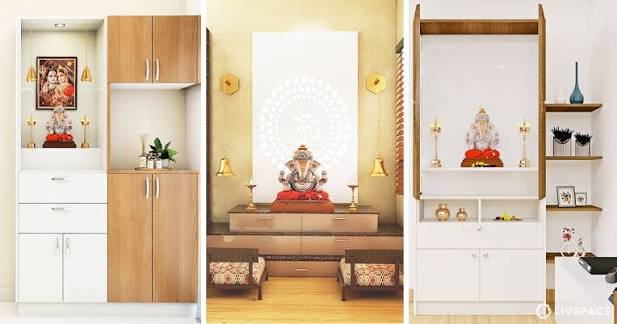 These elements are the difference between a pooja room that merely fits into a small space and one that genuinely thrives there.
Ergonomics matter more than most people realise in a small pooja room design the pooja space with shelves and any seating arranged at convenient heights so that worship is physically comfortable and sustainable as a daily practice.
Finally, wherever possible, choose materials and decorations that reflect a genuine commitment to eco-friendly and sustainable living natural wood, organic fabrics, recycled containers, and biodegradable offerings all align beautifully with the spiritual values that a pooja room is built to embody.
An eco-friendly small space mandir, thoughtfully designed with ergonomics, smart reflective surfaces, and carefully chosen artistic elements, is not a compromise; it is a masterclass in intentional, clutter-free, sacred living.
FAQS About Pooja Room Organisation
How do I keep my pooja room clutter-free?
Keeping your pooja room genuinely clutter-free requires both a one-time organisational overhaul and a consistent daily habit that takes no more than five minutes.
How do I select my pooja room location?
Selecting the right location for your pooja room is one of the most foundational decisions in the entire process of pooja room organisation, and getting it right sets the energetic tone for everything that follows.
What are some common Vastu tips for the pooja room mandir location?
Following Vastu guidelines for your pooja room and mandir placement is one of the most reliable ways to ensure that your sacred space works with the natural energy of your home rather than against it.
How can I design a pooja room in a very small apartment?
Designing a beautiful, functional pooja room in a small apartment is entirely achievable; it simply requires thinking differently about what a mandir needs to be.
What materials are best for a home mandir that lasts?
When it comes to choosing materials for a home mandir that genuinely lasts for decades, the traditional choices remain the best and there is a reason they have endured for so long.