

If you have ever searched for a bank auction property in Delhi, you already know this market moves fast, and this guide breaks down exactly.
How it works from start to end. When borrowers default on their loans, banks and financial institutions step in and recover the money.
Through an e-auction process, that single fact is why regular buyers and investors get a shot at owning residential flats, independent houses.
Commercial shops, plots, and even industrial sheds for far less than typical open-market listings.
Under the SARFAESI Act, passed in 2002, a bid on mortgaged property can land you a home at 10% to 30% below the going market rate.
Which explains why so many first-time homeowners ask questions about how to find a cheaper shop or plot, clear the dues, and lock in a fair price on genuine bank auction properties.
Why Buy a Bank Auction Property in Delhi?
Every reserve price on these Delhi listings starts with a proper government valuation, never a seller’s asking price, and that single.
Rule keeps the numbers honest across every locality in the city, close to the going market rate you’d expect anywhere else.
Head to Rohini, Kalkaji, Uttam Nagar, or Laxmi Nagar and you will find residential flats and independent houses among the auction properties.
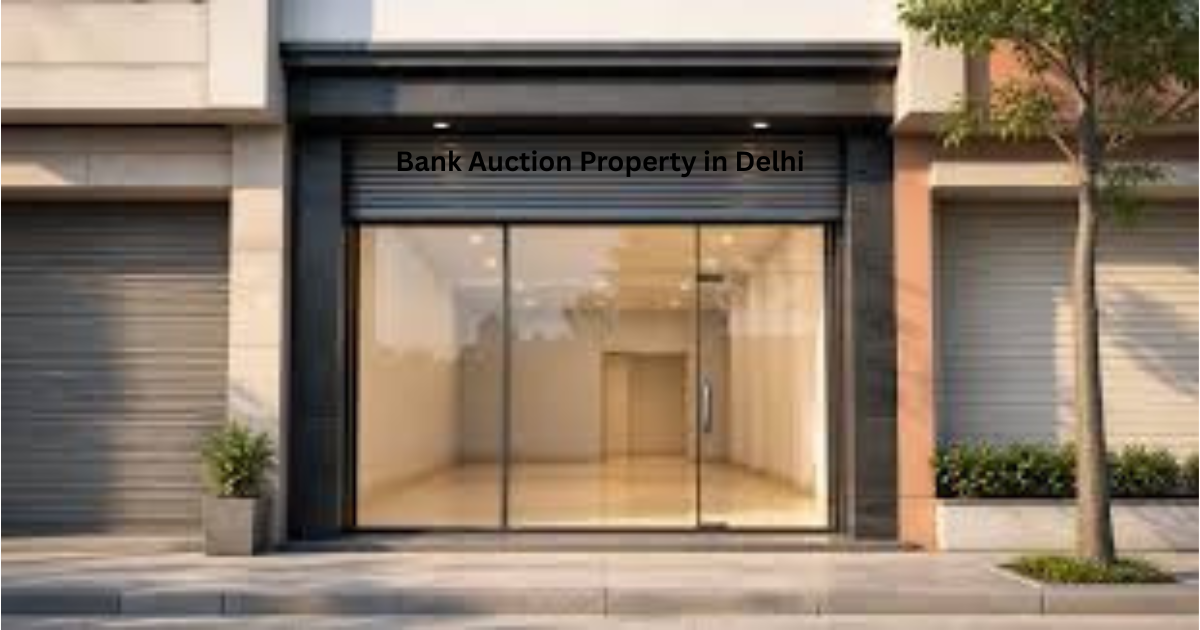
Listed well under bank valuation figures, while Karol Bagh, Kamla Nagar, and Gandhi Nagar carry commercial shops and showrooms built for resale.
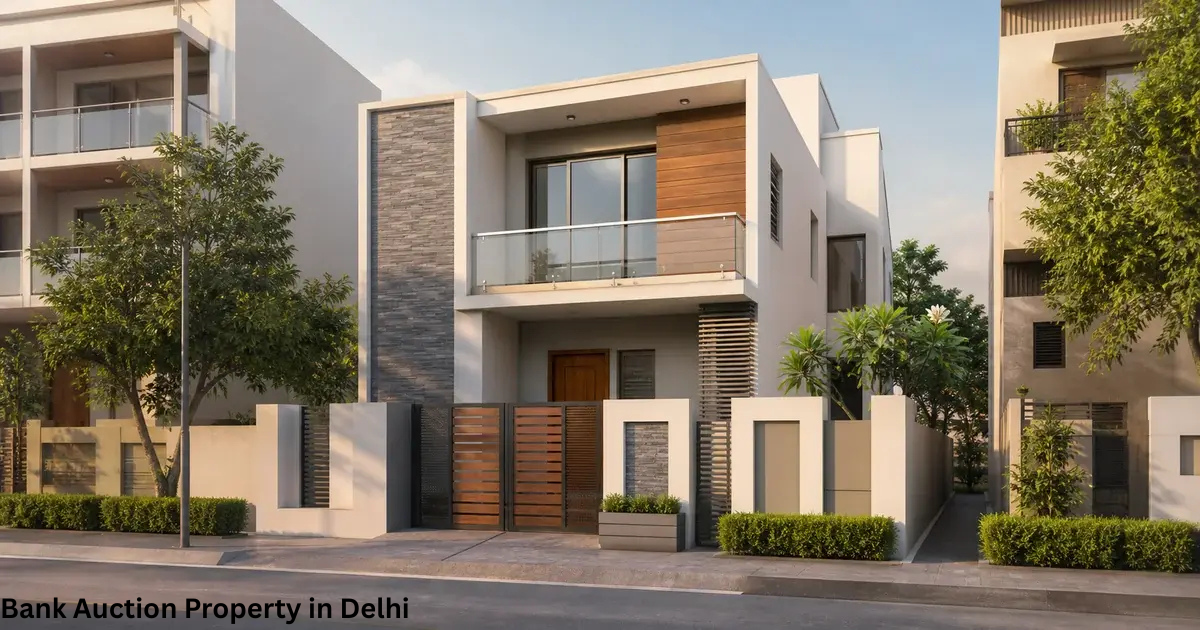 Steady rental income. Push further out toward Narela, Bawana, and the DLF Industrial Area and the city outskirts open up into industrial plots.
Sheds, agricultural land, and vacant plots that fit a tighter budget, all sold through a sale process governed by the SARFAESI Act and listed in the bank’s.
Own auction listings. Because bank auctions and recoveries run through formal DRT or NCLT proceedings rather than private resale deals.
Bidders face far less ambiguity about legal status or physical condition, though every property still moves as is where is and as is what is, so the bidding.
How the Bank Auction Process Works in Delhi
Every serious buyer should start by matching a clear budget and locality to their actual requirement, then shortlist properties by scanning bank websites.
Government e-auction portals, newspaper classifieds, and dedicated auction-listing platforms until the property description.
And the title looks right. Once you find a match, download the sale notice and bank auction notices carefully, because this single document carries the reserve price.
EMD amount, bid increment amount, auction date, and deadline, plus the inspection date when you can check occupancy status.
Possession status, symbolic possession versus physical possession, and any visible issues in person.
Before you touch the bidding account, run a proper legal check on the ownership history and title, ruling out disputed ownership.
Bank Auction Property in Delhi and pending municipal dues that could follow the property home. Registration happens on a secure e-auction portal.
Where you complete KYC and transfer the Earnest Money Deposit through NEFT or RTGS to the specified account.Usually pegged near 10% of the reserve price, and only then does your bidding account go live. On the actual auction time.
Bids move in real time inside a live bidding window that stretches past the closing time whenever a higher bid lands, right until one bidder is confirmed.
 The successful bidder. From there, the successful bidder pays 25% of the bid amount as full payment toward the total.
Clears the remaining balance within 15–30 days, and receives a Sale Certificate that lets them register property in their own name, closing a process that platforms like IBAPI helped bring online in the first place.
Important Points to Check Before Bidding
Before you place a single bid, dig into the property possession status and confirm whether it’s symbolic possession or physical possession.
Because that detail decides how soon you can actually occupy property you just won at sale. Outstanding dues rarely announce themselves.
Check property tax, water, and electricity bills along with any society maintenance dues that might quietly transfer to the new owner.
Once the deal closes. The property sells in its current state under an as-is-where-is condition, meaning no repairs or improvements are coming.
From the bank, so factor that into your decision before committing to auction property purchases. If you don’t win, ask about the EMD refund policy.
And timeline for getting your money back, since EMD refunded late is a common complaint among bidders.
Banks and NBFCs do offer home loans against these deals, but loan eligibility depends heavily on your credit profile and the property’s legal clarity, so line up your financing early rather than scrambling after the auction closes.
FAQs About Bank Auction Property in Delhi
What is a bank e-auction?
A bank e-auction is simply the process a bank uses to recover its money by selling a foreclosed property or mortgaged property online through an electronic bidding platform, all so it can recover dues left.
Are bank auction properties in Delhi aid by a defaulting borrower?
Yes, and I say that with confidence because these auctions carry real legal backing under the SARFAESI Act, though smart buyers still verify title, possession status, and any pending dues themselves before bidding, just to sleep easy at night.
What is EMD and why is it required?
EMD, or Earnest Money Deposit, is a refundable deposit, usually around 10% of the reserve price, that every bidder must pay to register and participate in the auction; it proves your seriousness, and if you win, it simply rolls into your final payment.
Can I get a home loan to buy a bank auction property?
Several banks and housing finance companies offer loans for auction properties, but everything hinges on verification of the legal status and your credit eligibility, and you’ll still need the EMD and initial payment ready upfront before loan disbursement actually happens.
Can I inspect the property before bidding?
Yes, banks name a fixed inspection date in the sale notice, and I always tell prospective buyers to visit the property in person and physically assess it before the auction, because photos never tell the whole story.
Who can register as a bidder?
Any individual or entity can register as a bidder on the bank’s e-auction portal after submitting the required KYC documents and clearing the verification process, so you don’t need to be a registered company just to participate.
What happens after I win the auction?
Once you clear the balance amount as per the bank’s payment schedule, usually within 15–30 days, the full amount is settled and the bank hands you a Sale Certificate, which you then use to register property officially in your name.