
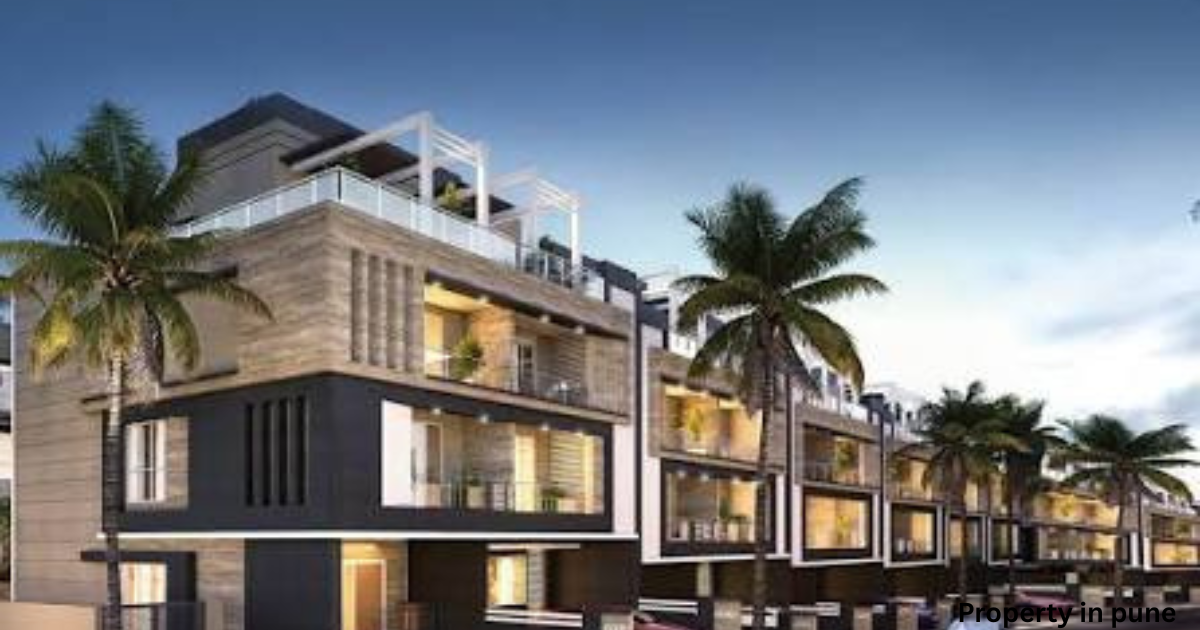
Anyone exploring property in Pune quickly realizes this city isn’t just another dot on India’s real estate map, it’s one of India’s most trusted real estate destinations, and for good reason.
Pune has built its reputation on a strong IT and manufacturing base, a growing student population, and a steady working population that keeps demand genuine rather than speculative.
Both buyers and investors are asking similar questions these days: where are the smart localities, and which pockets are actually worth the money?
The good news is that this is a maturing market, not one that’s cooling off. Appreciating prices, fresh infrastructure developments, and new metro corridors are opening up investment pockets that simply didn’t exist a few years ago.
Homebuyers are shifting toward amenity-rich homes, and their buyer preferences are becoming sharper with every passing year.
Before purchasing property, it helps to understand where price trends and infrastructure upgrades are actually heading and that’s exactly what this guide walks through.
Why Invest in Property in Pune
Pune’s biggest strength lies in its diversified economy. Unlike cities that lean on one sector, this city blends IT parks in Hinjewadi, Magarpatta, and Kharadi with a solid manufacturing base and auto industry,
Clustered around Chakan and Talegaon, and that mix keeps the property market grounded in real demand rather than pure speculation.
Working professionals, students, and families all need a roof here, and this steady mix of end-users is what has kept prices stable and largely free from sharp speculative spikes.Compared to Mumbai, affordability is still a major draw, but it isn’t the only reason people buy here.
A strong education ecosystem keeps rental demand high all year round, and this genuine, demand-backed price growth is exactly why so many people trust Pune over flashier markets.
Current Property Price Trends in Pune
If you look at the numbers, residential property prices in Pune are on a clear, steady climb. In the current financial year, the city crossed registered transactions, and the average flat price has moved past per sq fat number that felt out of reach not too long ago.
Experts expect rising prices to continue at roughly 5–10% annually through 2026, driven by real end-user demand rather than pure hype, though the pace will vary by property type and locality.
The growth cycle hasn’t been a straight line, though. 2025 actually saw a mild slowdown, with overall sales volume dipping around 3% to about units, as buyers turned more selective amid rising prices and higher construction costs.
Even so, property registrations between August 2025 and the rest of the year crossed 1.44 lakh, a 13% annual increase that points to solid end-user-driven demand. 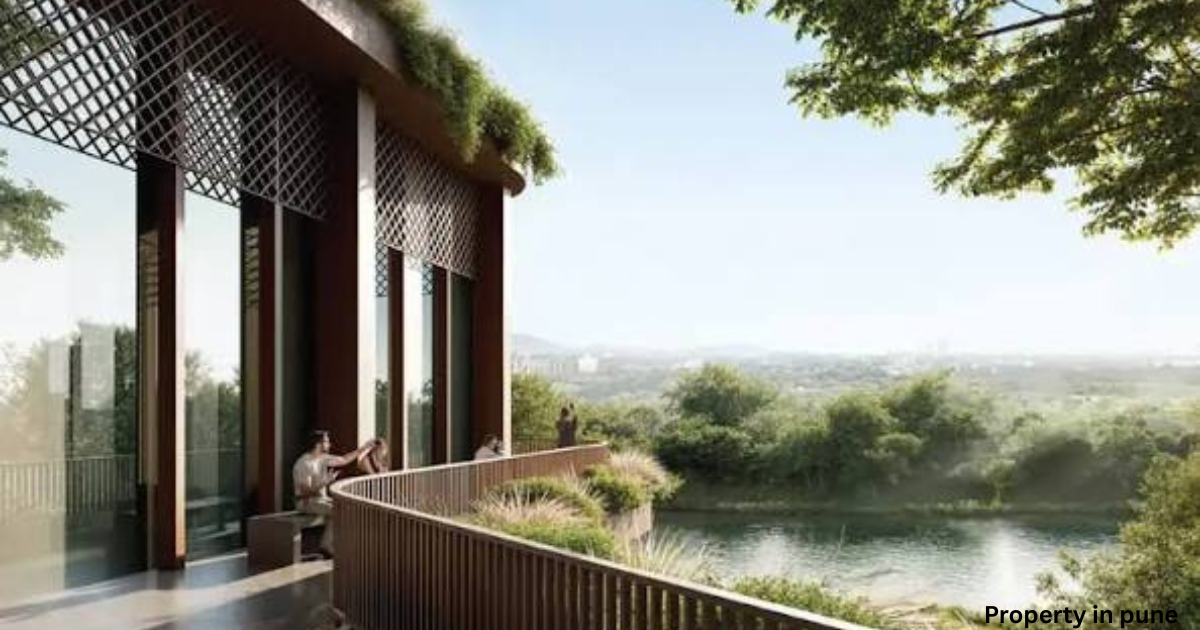 Then came January 2026, when registrations fell year-on-year largely due to limited land availability in top micro-markets but, as is typical for January, figures already show recovery on a month-on-month basis compared with December.
Buyers are now clearly favoring mid-range housing, premium housing, and higher-value homes over tiny compact units, a shift that confirms this is very much a maturing market, not a shaky one.
Best Areas to Buy Property in Pune
Location decides everything in real estate, and Pune’s Eastern IT Corridor covering Kharadi, Viman Nagar, and Kalyani Nagar is currently the busiest of them all.
Kharadi sits close to both the EON IT Park and the World Trade Centre, together offering over 11 million sq ft of office space, plus quick access to Pune International Airport, which keeps housing demand and rental yields consistently strong here.
Head west and you’ll find the Western Corridor Hinjewadi, Wakad, and Baner anchored by the Hinjewadi IT Park and a cluster of IT parks that draw thousands of buyers every year.
The upcoming Hinjewadi–Shivajinagar metro line is being seen as a genuine appreciation catalyst, with better metro connectivity expected to push property values higher once it nears completion.
For buyers watching their budget, Pimpri Chinchwad remains the city’s industrial backbone and its most affordable housing market, with average prices ranging roughly between per sq ft.
The planned Metro Phase 3 extension linking this belt to Hinjewadi is expected to trigger meaningful capital appreciation for early buyers.
Meanwhile, Wagholi, Hadapsar, Bhugaon, and Kiwale are fast becoming the city’s most talked-about micro-markets.
With fresh residential developments answering rising residential demand, especially as Ring Road development progresses nearby.
And don’t overlook the Industrial Corridors of Chakan and Talegaon, where automobile, manufacturing, and logistics companies are turning these belts into genuine economic hubs that quietly fuel housing demand all around them.
Infrastructure Growth Driving Pune’s Real Estate Market
When it comes to property in Pune, infrastructure is the single biggest growth driver, and the Pune Metro is its clear standout project.
Lines 1 and Line 2 are already operational across most stretches, while Line 3, running toward Shivajinagar, is still under construction and steadily linking Hinjewadi, Wakad, and Baner to the rest of the city.
Homes within walking distance of metro stations already command a noticeable price premium, and that gap is only expected to widen.
Beyond the metro, Ring Road development and integrated townships like Life Republic Township are improving connectivity between residential zones and commercial zones, particularly benefiting Pimpri Chinchwad and the surrounding belt.
Buyer Preferences Shaping the Market in
Buyer behavior has changed noticeably compared to previous cycles. Today’s crowd is a far more informed buyer base, made up of selective buyers who care less about sheer volume of supply and more about quality construction.
Small compact units are losing favor to spacious homes, with 3 BHK and 4 BHK layouts now leading demand across premium residential communities.
At the same time, smart features, smart-home technology, and genuine lifestyle amenities are becoming standard expectations property in pune.
There’s also a rising interest in green living, sustainable living, and affordable housing, and with healthy inventory levels across the city, buyers finally have the room to be picky.
Is Pune a Good Market to Invest in Right Now?
Yes with the usual caveats that apply to any property investment. Pune in 2026 has a genuinely healthier inventory position than it has had in years, a maturing buyer base, and several large infrastructure projects converging at once.
For investors willing to commit to a year horizon and who understand a specific corridor well, this remains one of the most attractive property markets in India today.
FAQs About Property in pune
Is it a good time to buy property in Pune in 2026?
Yes, and honestly, it feels like one of the smarter windows to buy. Pune is going through a genuine demand-backed growth phase, with moderate price appreciation of around.
Which areas in Pune offer the best investment returns?
It really depends on what you’re chasing. If steady rental yield is the goal, Kharadi and Hinjewadi are the safer bets right now. If you’re after long-term capital appreciation and stronger investment returns.
What is the average property price in Pune?
It genuinely depends on the locality you choose. The city’s average flat price has crossed ₹12,950 per sq ft, but that figure hides a wide range premium corridors like Kharadi, Baner, and Hinjewadi naturally sit higher, while Pimpri Chinchwad stays far more accessible.
How is the Pune Metro affecting property prices?
The metro is reshaping prices in real time. Metro Lines 1 and Line 2 are already operational, and homes near these metro stations are commanding a clear price premium.
Which type of homes are buyers preferring in Pune right now?
Buyers are clearly moving away from small compact apartments and no-frills apartments. The real demand now sits with 3 BHK and 4 BHK spacious homes, especially across mid segment homes and premium segment homes.