
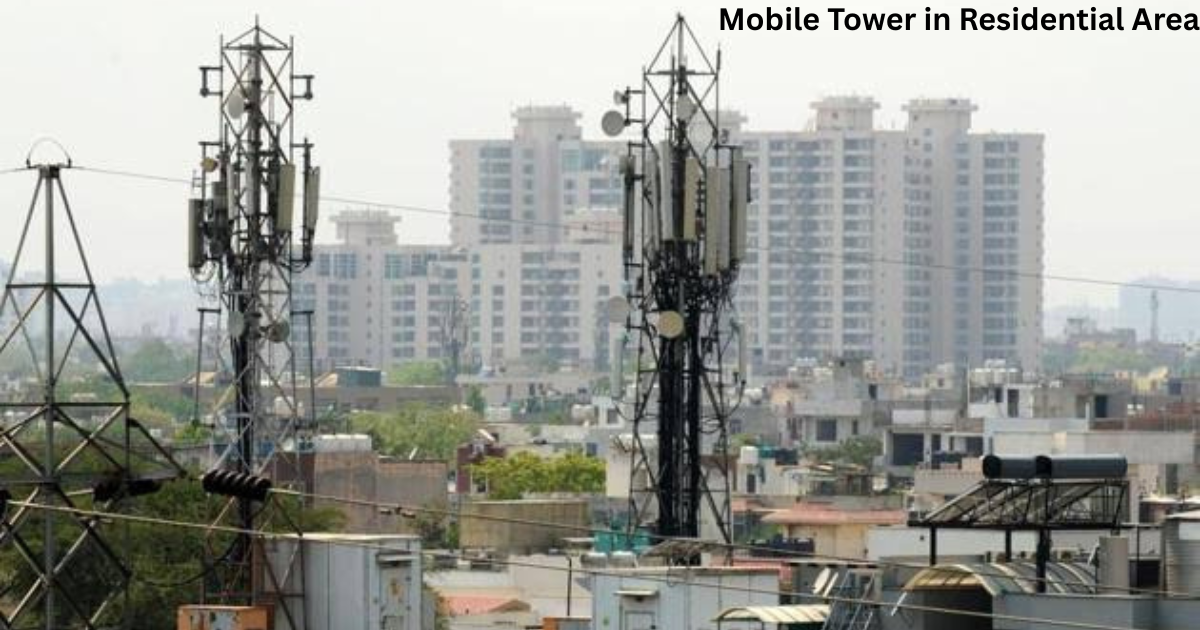
In today’s modern life, having quick internet access and steady mobile connectivity feels like a basic necessity for every household.
Homeowners across cities are noticing a growing demand for mobile towers and cell towers, since telecom companies need more base stations to keep their networks running without gaps.
These structures transmit and receive signals wirelessly, letting people make calls and send texts while enjoying uninterrupted coverage wherever they go.
For many property owners, this process brings both opportunity and trade-offs: building this kind of connectivity infrastructure on residential land or rooftops can mean better coverage for the whole neighborhood, but it also raises real legal questions and health-related questions that shouldn’t be brushed aside.
Housing societies thinking about hosting a tower installation need to understand the law before they agree to host any infrastructure, especially since some residents may raise an objection once they learn what faster networks actually require on the ground.
I’ve spoken with a few families who welcomed the financial questions around renting their terrace, but only after they’d done their homework first.
What Mobile Tower Installation Involves
Every installation begins with a site survey, where experts check the location and accessibility of a property before deciding if it fits the property suitability needed for a new structure.
Once a spot looks promising, the property owner usually reaches out to a telecom provider or one of the Telecommunication Service.
Providers sometimes called TSPs through their infrastructure department or business development department to start real conversations.
From there, negotiation takes over: both sides discuss rental amounts, lease terms, and the exact tower location, before putting everything into a formal lease agreement.
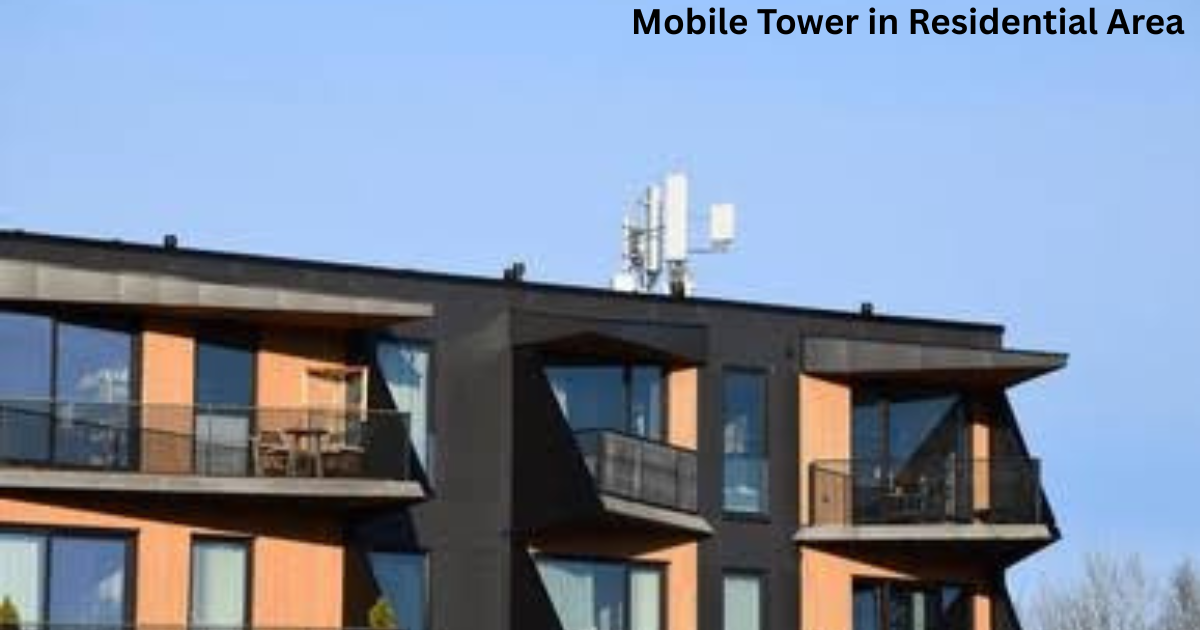 Paperwork matters just as much as the deal itself, so owners are asked to submit a property deed or title certificate proving ownership, along with a land survey and site plan that marks where the antennas and communication equipment will actually sit.
A No-Objection Certificate, or NOC, is often required from neighbors or stakeholders, and a Memorandum of Understanding, or MoU, spells out the responsibilities each partner in the deal must follow.
Before signing anything, it’s worth checking zoning compliance and zoning rules with local authorities, and getting legal counsel to review the legal clearance and legal clearances needed.
Since skipping this step can undo months of documentation and property details work. Once permits and approvals come through and the construction wraps up, the provider typically takes charge of ongoing upkeep and maintenance to keep the network coverage strong for years to come.
Is It Legal to Install a Mobile Tower on Residential Property?
When it comes to any residential property, the law in India does not stop a mobile tower from going up, and under Right of Way rules also known as RoW rules, licensees and telecom companies don’t even need consent from authorized authorities.
Before placing overground telecom infrastructure on private land a government notification dated August made this quite clear.
Still, being legal doesn’t mean being free of rules: every provider must respect zoning laws, land-use categories, secure the right permits and approval, and follow health and safety norms, while a signed contractual agreement protects both the property owner and the company.
On the radiation side, India adopted the International Commission on Non-Ionizing Radiation Protection guidelines, known as ICNIRP, back in and critics still argue these only cover short-term.
Heating effects rather than any possible long-term biological impacts, which keeps the debate over radiation exposure standards alive.
The judiciary hasn’t always agreed with easy approvals either; back in March the Punjab and Haryana High Court ordered a construction halt on mobile phone masts sitting atop residential buildings, warning that careless placement could endanger lives and property.
That single ruling shows how community impact and safety concerns can outweigh paperwork, even when a local authorities office has already cleared the way.
Health Concerns Associated with Mobile Tower Radiation
Health worries around radiofrequency radiation, or RFR, sit at the center of most debates about towers near homes, and the World Health.
Organization, or WHO, through its International Agency for Research on Cancer (IARC), has called this kind of radiation possibly carcinogenic, with some researchers pointing to a possible connection with glioma, a form of brain cancer.
Because towers send out signals at a higher radiation intensity and with continuous exposure compared to ordinary handsets, some experts believe living close to one may carry slightly.
More risk than just using a phone, especially for children and existing patients, who may be more sensitive to neurological effects like headaches, dizziness, sleep disturbances, and even quiet anxiety.
Other concerns raised over the years include brain swelling, skull swelling, hearing problems, and fertility concerns, along with reproductive health issues such as reduced sperm quality.
And possible developmental effects during pregnancy, though mixed findings across studies mean nothing here is fully settled.
On the other side, a US FDA technical report covering research from found insufficient evidence of a firm causal link between RFR and tumor growth, and the UK Non-Ionising Radiation.
Advisory Committee has stated that typical exposure levels near base stations are low enough to pose a low risk, which is why the telecom industry keeps insisting there’s no conclusive evidence of adverse health effects.
Even so, many public health advocates compare long-term exposure to everyday hazards like vehicle exhaust or lead, and they push for a precautionary approach while long-term research continues, since much of the current data still counts as inconclusive research.
Beyond people, there’s a wider environmental impact to think about; electromagnetic emissions from these towers may cause communication interference for birds and insects that depend on natural navigation.
And some scientists have linked nearby plant growth issues to prolonged exposure, raising questions about biodiversity and the health of the local ecosystem as a whole.
Advantages of Allowing a Mobile Tower on Your Property
For many property owner families, the biggest draw of hosting a tower is simple: telecom companies pay steady rent that can add up to real monthly sums, turning a rooftop into a source of rental income and stable income for years.
Some housing society committees also negotiate extra perks, like free internet or phone service, on top of the predictable income already built into most long-term agreements.
Beyond the money, the surrounding area usually sees improved connectivity, faster data speeds, and stronger network coverage, which counts as a real community benefit for everyone nearby, not just the host.
Some sellers even argue that this kind of connectivity infrastructure adds a desirable amenity that boosts a home’s attractiveness to future buyers, leading to a possible value uplift in overall property value though, as I’ll explain next, not everyone agrees with that last point.
Disadvantages and Risks to Weigh
Not every story ends happily, though, and plenty of residents raise real health concerns once they realize a tower is going up nearby, especially in families with children who worry about long-term wellbeing and quietly carry anxiety about possible risks.
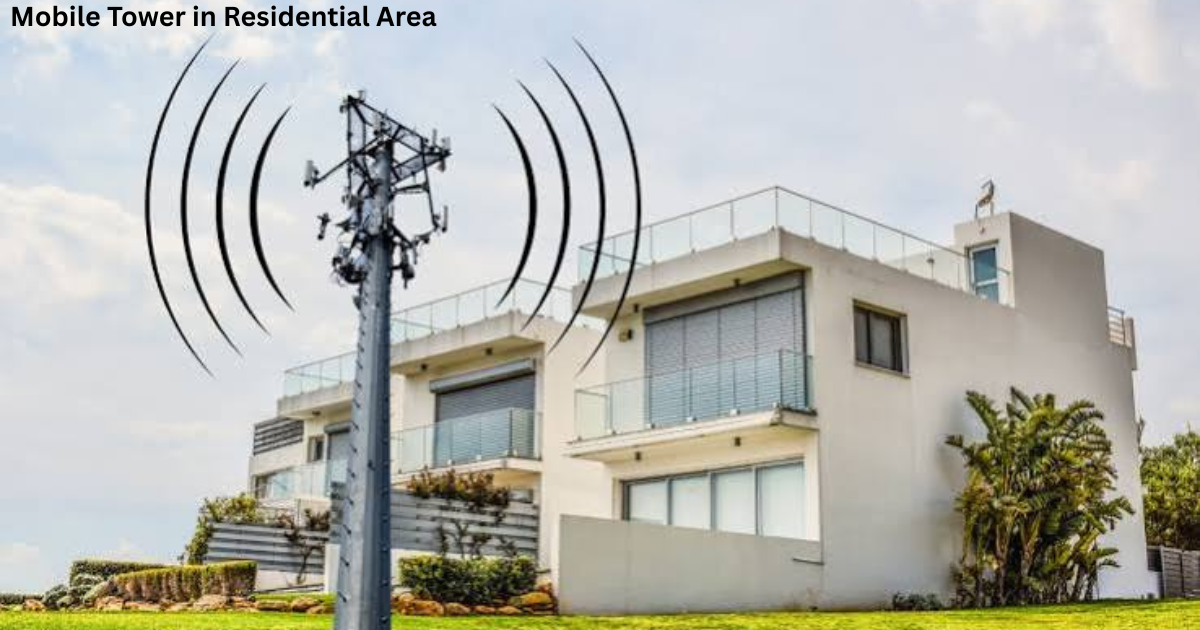 Some housing societies that approve installations purely for rental income later face backlash and community pushback from neighbors, since intrusive structures can create a noticeable visual impact and aesthetic impact that changes how a neighborhood looks and feels.
These objections aren’t only emotional; local land-use rules and zoning hurdles can turn what looked like a simple deal into a maze of regulatory hurdles, restrictions, and delays before approvals ever come through.
And when it comes to money, opinions split sharply: some believe property values and resale value actually drop once buyer interest cools off due to lingering worries over exposure levels, while others still see the arrangement as worthwhile, which is exactly why so many disputes end up between neighbors long after the tower is already standing.
Can Mobile Tower Installation Be Stopped or Challenged?
If a tower goes up without proper clearance, residents don’t have to just accept it; they can report the unauthorized installation straight to civic authorities or the police, and real cases prove this works.
Back in January Gurugram’s town and country planning department acted on a resident complaint and shut down four illegal towers inside a residential complex, while during a March enforcement drive.
Pune police carried out a confiscation of dozens of mobile signal boosters and repeaters found in homes and Mobile Tower in Residential Area.
Even where a Residents Welfare Association, or RWA, has already given its consent, unhappy residents can still file a petition with the sub-district magistrate or joint commissioner, raising both physical health impacts and mental health impacts as grounds for review.
A single voice rarely moves the needle, so community organizing matters here: a joint complaint or collective complaint signed by several neighbors carries far more weight than one person acting alone, particularly when it points to zoning violations or agreement violations tied to the original lease terms or NOC terms.
When these routes fail, residents can also pursue formal legal challenges questioning whether the approvals were ever valid in the first place.
FAQS About Mobile Tower in Residential Area
Are mobile towers really harmful to health?
The honest answer is that no conclusive study has settled this yet. Most regulators point to insufficient evidence and low risk at normal exposure levels, and even the FDA has struggled to confirm a strong cancer risk. At the same time, some researchers keep flagging neurological effects and reproductive health issues worth watching.
How can residents protect themselves from tower radiation if concerned?
Simple habits help: using hands-free devices for calls, keeping phones away from direct body exposure, and cutting down overall screen time are easy first steps. For anyone living near towers, community-level shielding techniques and screening techniques.
Can an illegally installed tower be stopped?
Yes, unauthorized towers have been shut down before, and past cases prove that civic authorities and police do act once a complaint lands on their desk. Residents improve their case strength by filing documented complaints together rather than alone, and collective complaints have previously led to real confiscation of illegal equipment.
Can a community object even to an approved installation?
Yes, even if an RWA has already given its consent in exchange for rental income, residents can still push back. Filing a petition with the sub-district magistrate or approaching local authorities directly lets people raise health concerns, safety concerns, and zoning concerns formally.
What are the financial benefits for property owners?
The clearest benefit is consistent income through rental income tied to a long-term lease, which brings real financial stability to a household. Some owners also receive extra perks like free connectivity.