
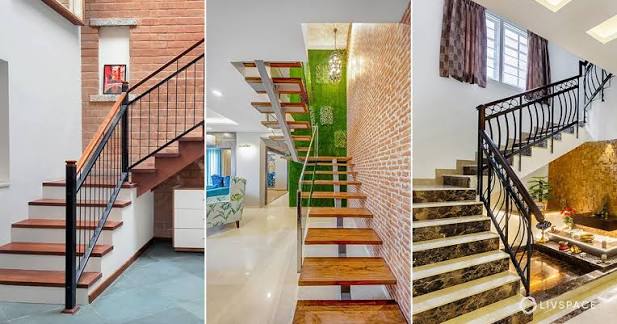
When I first began exploring Vastu for my own home, I realized that the humble staircase holds far more weight than people expect.
Every homeowner searching for the best direction wants a quick answer, so here is a Quick Summary: the ideal placement for stairs sits toward South, West, or South-West, while the North-East and the centre stay off-limits.
Good staircase Vastu rules also touch on step count, staircase shape, and the preferred materials you choose for construction.
Getting the direction right is only part of the story, because the best staircase direction works hand in hand with the right placement rules and thoughtful design tips.
I always tell people to picture the entire house as a living system, where a well-placed staircase should rise in a clockwise motion to keep energy moving smoothly.
A square or L-shaped staircase, built using Stone, marble, or concrete, tends to feel sturdy and blends naturally with a home built on Vastu Shastra principles.
Numbers matter too, and this is where the ideal number of steps and ideal steps come into play think odd numbers such as 9, 11, 15, or 17, since odd steps are believed to carry steadier energy than even ones.
Avoid spiral designs wherever possible, and never let stairs sit near puja rooms or main entrances, as these are among the most common mistakes I see in staircases across many homes.
Keep these Staircase Vastu Key Points in mind before you finalize your blueprint, and the rest of your build will follow much more smoothly.
Staircase Direction Placement
Direction remains the single most important factor in staircase vastu, and it shifts slightly with every direction of staircase you consider.
In a north-facing house, the southwest area works best, while stairs on the south side of a plot should rise toward the west side without letting them directly face the main entrance.
An east-facing house benefits when the flight climbs from north to south, since this pattern nurtures positivity, harmony, and steady balance through the home.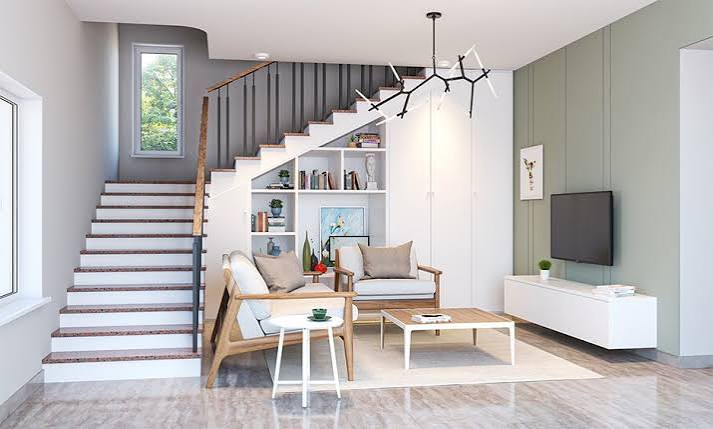
Builders often ask about the number of steps to plan, and the answer usually points to an odd number the total number of steps should avoid ending in zero, so skip counts like 10, 20, or 30.
Popular step counts include 9, 11, 17, 21, and 27, each chosen because odd figures are said to hold steady energy flow better than even ones.
A west-facing house does well with a staircase that follows similar logic, keeping the west to east movement in mind for a truly peaceful home.
The staircase area itself deserves attention beyond just numbers. Never let stairs sit in the centre of the plan, known in Vastu texts as the brahmasthan, because this spot thrives on openness rather than heavy structure.
Keep the space below the flight free of heavy storage spaces light storage is fine, but avoid turning it into bedrooms, bathrooms, or prayer spaces, as doing so is generally discouraged and can create energy imbalance across the zones of your home.
Good airflow, proper lighting, and honest ventilation around the staircase create a genuinely welcoming environment.
Keep the tread width and uniform riser height consistent for both comfort and safety, since uneven staircases can throw off the smooth flow of movement through the house.
Pay attention to internal & external direction as well internal stairs usually suit the south or west zones, while external staircase directions work better facing southwest or west for lasting stability.
Placing stairs correctly also protects the flow of sunlight indoors. Avoid blocked sunlight by keeping the northeast and east zones open, and never let a staircase block natural light from reaching indoors.
Placing staircases thoughtfully, with attention to place stairs guidance for each house type, brings positive energy, prosperity, and a genuine atmosphere of calm to everyday living. Done right, a Vastu-constructed staircase becomes a quiet source of balanced energy for the whole family.
Some house layouts also raise questions about the space above or beneath staircases the space under staircase should never double as a puja room, and clutter in this area should be avoided entirely, since a rising flight works best when the smooth energy flow underneath stays clear and open.
Rules Inside the House
Inside the home, a staircase should never touch or directly face the main entrance, since this weakens the flow of energy the moment you step inside.
I always recommend placing it along a side wall, ideally positioned toward the south, west, or south-west zone, rather than tucking it above or beside the kitchen.
Keep the staircase away from any puja room, and you will avoid most of the common errors homeowners make with this part of the house.
Staircase Shape Design Rules as per Vastu
When it comes to shape, straight staircases are usually considered the most ideal choice under Vastu Shastra, offering a clean, dependable line from bottom to top.
Spiral staircases are not entirely off-limits, but they should only sit in suitable directions, and the North-East zone is one place to keep them out of.
Broken, damaged, or incomplete staircases are seen as inauspicious, since a half-finished structure can quietly bring bad luck into the home.
Open risers are usually avoided too, because they symbolise instability rather than support. I always suggest railings on both sides of any flight, since this small choice adds real safety and a sense of visual balance to the design a detail genuinely preferred by most Vastu consultants I have spoken with.
Conclusion
If your staircase already has a flaw or two, don’t panic commonly followed remedies exist for almost every issue. Many Vastu experts recommend improving lighting around the area, adding a few indoor plants nearby, and choosing soothing colours on the walls.
Keeping a clutter-free area matters just as much, and some professionals even suggest mirrors or pyramids to help restore a balanced environment in the home.
FAQS About Staircase Vastu
What is the best direction for a staircase as per Vastu?
The steps direction as per vastu is generally best placed toward the south or west direction. Stairs work best when they rise from north to south or east to west, since this pattern supports a smooth energy flow through the entire home.
Should a staircase turn clockwise or anti-clockwise as per Vastu?
A staircase is generally preferred to rotate clockwise while ascending, since this direction is believed to support the natural movement of positive energy.