
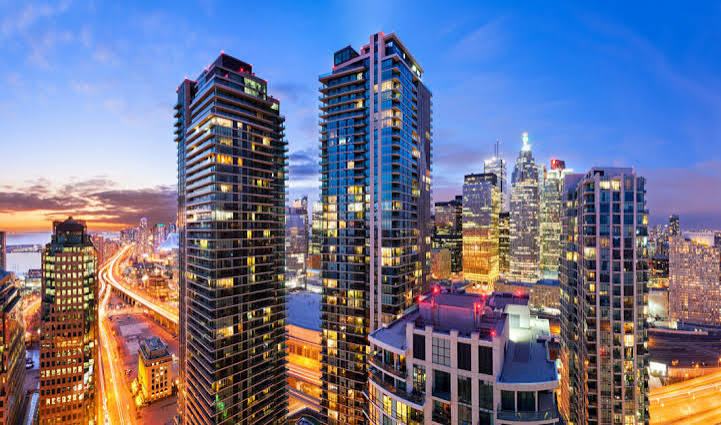
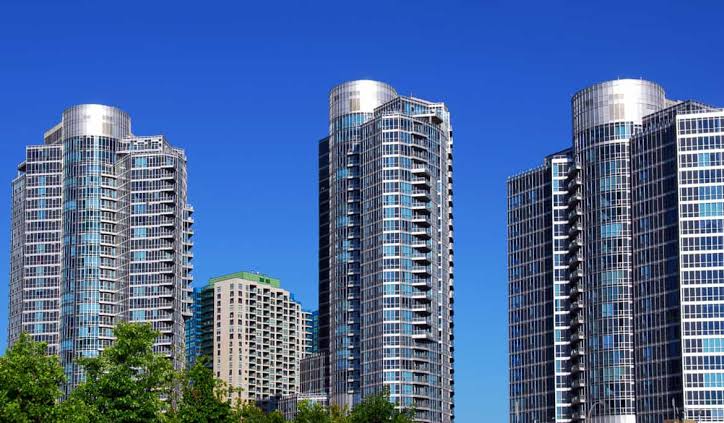
When people picture a high-rise apartments, they usually imagine a tall building rising above the skyline, standing out against the surrounding landscape of a busy city.
This kind of residential unit is not a new idea either, since multi-story residential buildings can be traced all the way back to ancient Rome, long before modern city living existed.
There is no single universal rule that decides when a building becomes a high rise, because every country and organization sets its own threshold, and even municipal regulations and fire codes shape how a building gets labeled.
In the United States, a building usually needs seven stories or about 75 feet to count as a high-rise, while India sets the bar lower at four or more stories, and Germany asks for 12 floors before a building earns that title.
Low-rise apartments typically stay within four or fewer floors and are common in suburban areas, mid-rise apartments sit comfortably between five and nine floors, and true high-rise apartments start around ten floors and keep climbing to or even more stories.
Once a building crosses 40 or more floors, it usually gets called a skyscrapers instead, and from up there, residents enjoy an elevated view that no ground-floor unit in dense urban environments can match.
High Rise vs Low Rise What’s the Difference?
A high-rise and a low-rise apartment differ in more than just height; the materials and construction methods tell a big part of the story.
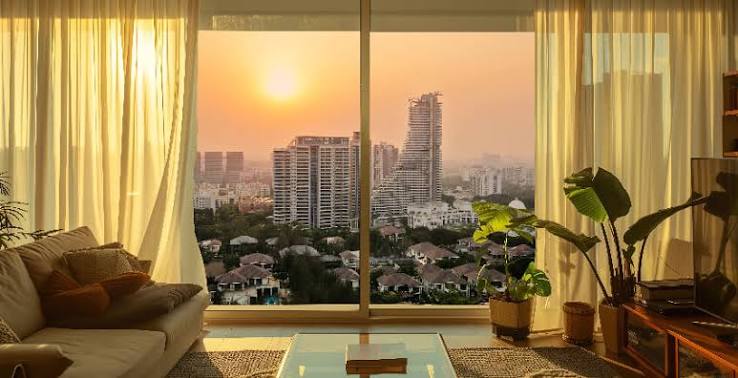 High-rise buildings usually rely on concrete, steel, and glass, chosen for their strength and their ability to give height support to a structure that has to stand tall for decades.
Because these towers sit on limited urban land, builders often face restricted design, which is why many high-rises stick to the same layout across multiple floors, offering fewer floor plans and layout options overall.
Low-rise apartments, sometimes called walk-ups, share some of the same materials but also bring in wood, brick, and natural stone into the design.
Sitting in lower density suburban areas where available land is easier to come by, these buildings enjoy a wider variety of unit layouts, giving residents more freedom in how their homes are built.
Pros of Living in a High Rise Apartment
Living up on high floors comes with real rewards, starting with the stunning views that greet residents every morning.
Picture a panoramic city skyline outside your window, or a waterfront vista lighting up at sunset from your own private balcony and honestly, once you’ve lived up here, going back down feels flat.
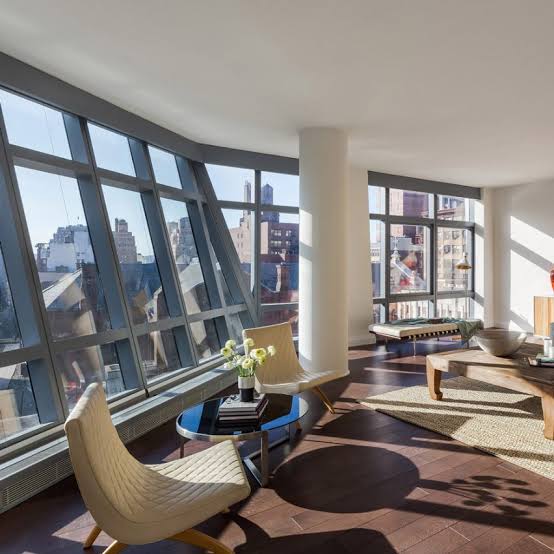 This is the kind of everyday magic that makes a city centered lifestyle worth it. Sitting in a prime location near the heart of the city, most high-rise buildings put public transportation, restaurants, and work within easy reach, which is a huge win if you don’t own a car.
Beyond the view, a dense building often comes packed with fitness centers, pools, and communal lounges, along with concierge services and 24-hour security that keep daily life smooth.
Many towers host resident events and gatherings that turn strangers into neighbors, building a genuine sense of community and social opportunities you wouldn’t expect in such a busy setting.
Higher units also mean more natural light and less street noise compared to ground-level apartments, a small but meaningful upgrade in comfort.
Strong safety features matter too, since tall buildings are engineered with fortified structural cores that can handle wind and even seismic activity without residents feeling much movement.
While fire alarms, sprinkler systems, smoke detectors, and service elevators stand ready in case of emergencies. Entertainment options woven into the building only add to the appeal.
Cons of Living in a High Rise Apartment
Life in the sky isn’t without its downsides. The heavy reliance on elevators becomes obvious fast, especially during peak hours when the elevators fill up and everyone needs to get somewhere at once, and moving day only makes this worse since many buildings set strict move-in hours.
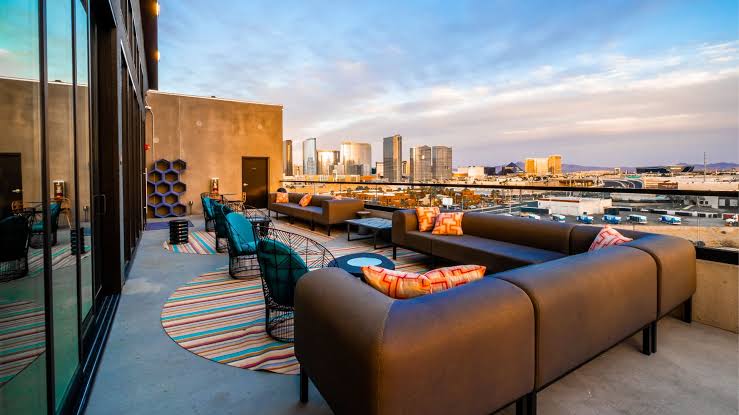 Compared to a suburban apartment, you’ll likely find smaller living space and limited layout variety, a result of design constraints tied to urban lots and rising land cost and construction cost.
Because unit layouts stay tight, tenants often can’t negotiate much on price, and the higher costs in amenity-rich locations paired with a fast turnover time and heavy demand only add pressure.
Bigger buildings also carry building-specific risks that a low-rise apartment simply doesn’t face. Dense city centers push up the price tag on nearly everything, and fire safety becomes a bigger concern since fire truck ladders can only reach so high, which is exactly why fire protocols and sprinkler systems matter so much in these tall structures.
Luxury High-Rise Amenities
Not every high-rise falls into the luxury category, but the ones that do tend to spoil residents. Luxury buildings often show off newly renovated interiors, spacious kitchens, and modern kitchens built for people who actually love to cook, along with spa like bathrooms that feel more like a retreat than a bathroom.
Add in state-of-the-art gyms, balconies, and private patios, plus on-site entertainment and resident activities, and it’s easy to see why these luxury features add up to a higher-than-average quality of living.
Units in these buildings range from cozy studios all the way to three bedroom apartments and full penthouses, with lease terms that stretch from month-to-month to multi-year contracts, giving renters plenty of flexibility depending on how long they plan to stay.
Tips Before Moving Into a High Rise Apartment
Before signing a lease, it pays to ask a few smart questions, and trust me, this list would have saved me a headache or two.
 Start with the elevator situation itself find out the number of elevators, expect longer wait times during busy hours, and check for any move-in scheduling restrictions that might clash with your schedule.
It’s also worth confirming the building’s safety systems, including fire alarms, sprinklers, and emergency exit plans, so you know exactly what happens if there’s ever an outage or other disruption.
Think carefully about floor level too. Higher floors bring better views, more quiet, and less noise, but also longer elevator rides, so weigh that trade-off honestly.
If you’re downsizing from a house or a low rise unit, prepare for a smaller footprint and less storage space, and get realistic about your space needs before you commit.
Finally, ask about amenities like gyms, pools, and concierge services, since these often come with extra HOA charges or building fees, and knowing the full cost of fees upfront saves you from surprises later, especially during peak hours when shared spaces get busy.
FAQS About High rise apartment
How Many Floors Does a Building Need to Be Considered a High-Rise?
The answer changes depending on where you are, since different countries set their own thresholds for what counts as a high-rise. In the U.S., most cities consider a building a high-rise once it passes seven stories or about 75 feet, while India sets a lower bar at just four stories, and Germany requires floors before giving a building that title.
What’s the Difference Between a High-Rise and a Skyscraper?
A high-rise usually starts around 10 or more stories, while a skyscraper is reserved for taller buildings that reach 40 or more floors, making the skyscraper the bigger sibling of the two.
Are High-Rise Apartments Safe During Storms or Earthquakes?
Yes, and the engineering behind it is honestly impressive. Tall buildings rest on a solid foundation and a fortified core, usually made of reinforced concrete, which lets the entire structure bend and sway gently with wind or seismic activity instead of fighting against it, keeping overall stability intact even in rough weather.
Do High-Rise Apartments Cost More Than Low-Rise Apartments?
Often, yes. High rises tend to sit in central locations and high demand locations packed with amenities, which usually pushes rental prices higher than what you’d pay for low-rise apartments. Faster turnover between tenants also keeps demand and prices climbing.
What Amenities Can I Expect in a High-Rise Apartment Building?
Expect quite a lot, especially in luxury buildings. Common perks include fitness centers, pools, resident lounges, and 24-hour security, along with concierge service to handle daily errands. Nicer units often add private balconies, spa-style bathrooms, and renovated interiors that make everyday living feel a little more special.
Is a High-Rise Apartment a Good Fit for Everyone?
Not really, and that’s okay. High-rise living works best for people who care most about location, views, and amenities, but it might not suit someone who wants more space, easy ground-floor access, or a quieter environment in a low density environment away from the city buzz.