
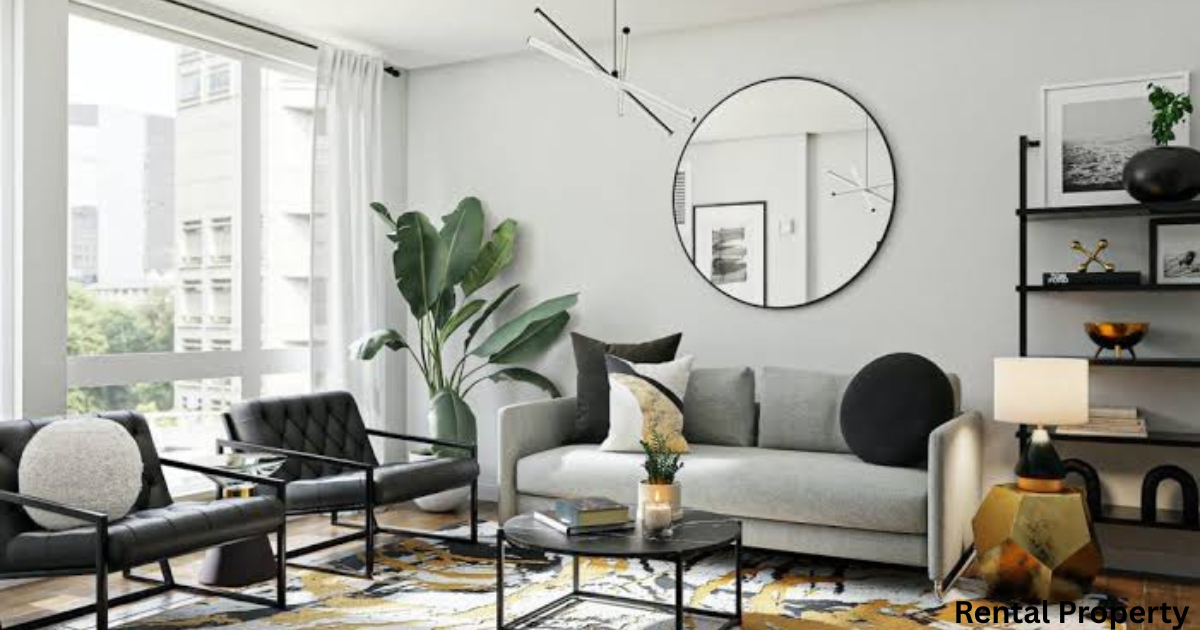
Finding a rental accommodation in India feels overwhelming at first, but it does not have to stay that way.
A rental property stands as a cornerstone of real estate market, offering both investors and everyday families a vital asset that builds long-term wealth.
Whether you are one of the many first-time renters stepping into your own space or a seasoned tenant, exploring options with a clear checklist in hand makes the search far easier.
Thorough research into key factors like budget, layout, and neighbourhood turns a stressful hunt into a smooth journey toward your ideal rental space.
I have walked friends through renting an apartment more times than I can count, and the pattern is always the same.
People who spend time considering preferences and analyse qualities of a suitable location end up happier than those who rush.
This guide covers types of rental properties, from a simple flat for rent to larger diverse living solutions built for growing families, so you know exactly what fits your life.
We also look at apartment conditions, the amenities worth paying extra for, and the important points that protect both landlords and tenants once the lease is signed.
Market growth across Indian cities has pushed rental spaces into every kind of locality, from quiet suburbs to buzzing city centres, which is great news for anyone with specific needs.
Good planning and the right resources support effective management of your search, whether your goal is tenant satisfaction as a landlord or investment success as a buyer looking at real estate ventures.
Strong positive relationships and good relationships between both sides keep rental properties running smoothly, and they usually start with picking a better rental property in the first place.
With promising returns on the horizon for those who choose wisely, and plenty of business solutions now built specifically around renting, this article breaks down every essential thing you need to know before signing anything.
Location Factors For Rental Property
Location decides almost everything about a rental property, and getting it right saves you from regret later.
Living close to railway stations, bus stops, and other public transportation hubs cuts your commute time dramatically.
While good transportation accessibility and connectivity to major roads make daily life smoother in cities like Mumbai and Bangalore.
Proximity to grocery stores, schools, hospitals, parks, restaurants, and shopping centres adds real convenience, and these neighbourhood amenities matter just as much as the property itself.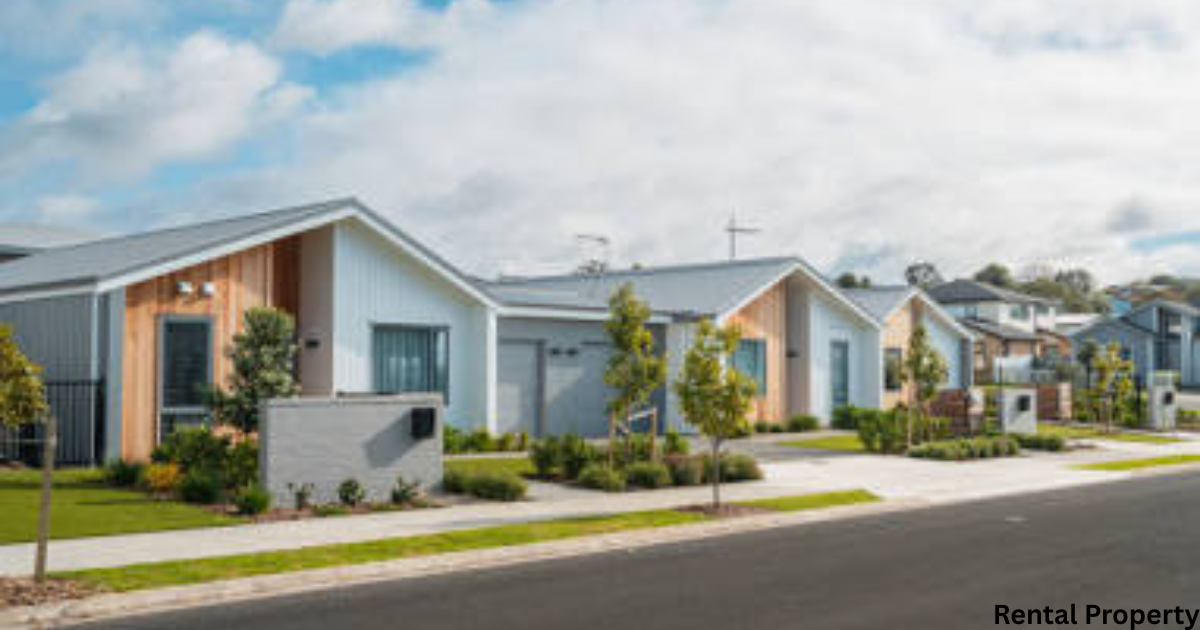 Safety should never be an afterthought when you check location attributes. Look into crime rates and pick a place with secure surroundings.
Srong safety and security, and a peaceful environment, because a calm lifestyle depends heavily on feeling safe at home. General safety of the building keeps everyone protected, and overall security measures like guards or cameras add extra peace of mind.
Checking ratings and reviews left by former residents and current residents gives you an honest picture of the locality, covering everything from trust to day-to-day quality.
Jobs matter too, so weigh employment opportunities and nearby employment centres and job markets before you commit, since a shorter long-distance travel window frees up more personal time and lowers your expenses.
Watching local market trends helps you understand demand and desirability in urban areas, which directly affects rent.
Access to basic amenities, essential services, public transport, and general markets, along with recreational facilities and overall infrastructure, plus easy accessibility to your workplace, rounds out a location that truly works for you.
Landlord
A rental property works best when both sides understand their role. Whether the space serves residential purposes or commercial purposes, covering everything from apartments and townhouses to offices, retail spaces.
Industrial units, and simple detached homes, every functional living space or business space needs clear ground rules.
Landlord responsibilities include keeping up property maintenanceand supplying the amenities promised in the lease, while tenant responsibilities centre on timely rent payment, punctuality, cleanliness, and respecting property integrity.
Good landlord-tenant relationships rarely happen by accident; they grow from steady communication and mutual give and take.
Regular maintenance keeps small issues from turning into big ones. Sticking to property rules, understanding the lease agreement terms, and asking permission before modifications or changes to noise levels and general usage all help avoid disputes.
Effective communication addresses tenant concerns early, and regular property inspections paired with quick repair requests protect everyone’s income and keep maintenance and repairs running smoothly, all built on trust, cooperation, and mutual respect.
Privacy and rights deserve equal weight here. Landlords must give proper notice before entering rented premises, since respecting privacy is a legal requirement, not just courtesy, and this attention to detail drives real tenant satisfaction.
Some flexibility goes a long way too: flexibility and understanding around minor modifications, flexible payment terms during financial difficulties, or fair notice on rental agreement changes shows tenants that their landlord actually cares.
Property Condition
Before you sign anything, always visit the place in person to assess its true property condition. Check the walls and ceilings carefully for mold or water stains, since these often signal deeper dampness problems hiding behind fresh paint.
Test the faucets and pipelines to confirm they stay leak-free, and look closely for plumbing faults, leaks, or pests, because catching these issues before moving in saves you a lot of hassle later.
The Layout Of The Rental Property
The right layout shapes how comfortable a rental apartment actually feels day to day. Count how many bedrooms and bathrooms your family or household truly needs, because a cramped space wears on everyone fast, whereas enough space keeps things pleasant.
Decide between a low-rise building with fewer floors or a high-rise tower based on your own personal preferences and priorities, and think about whether an open concept with flowing rooms or a closed concept with separate areas suits your daily routine better.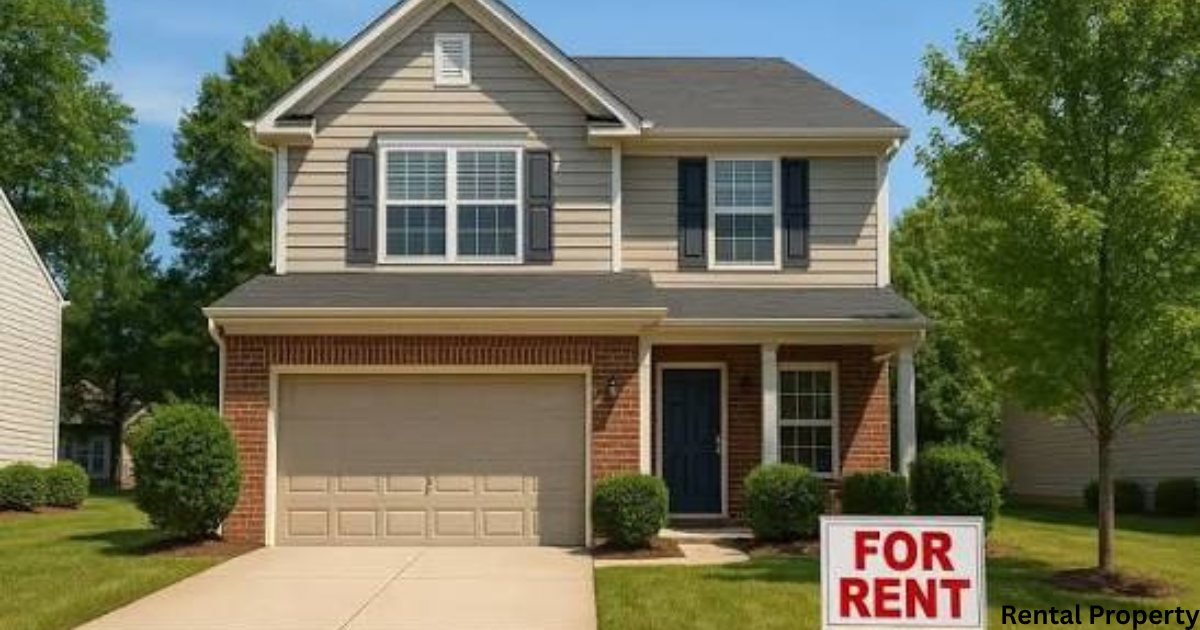 Natural touches matter more than people expect. Plenty of natural light, good ventilation, large windows, and steady airflow all boost the comfort and ambience of your living area.
If you work from home, a designated workspace covering your storage needs becomes essential, and for a joint family, keeping privacy and personal space through distinct areas makes shared living far more peaceful.
Essential Services And Amenities To Look For When Renting An Apartment
Once you settle on the right home, check what the building actually offers beyond the apartment walls.
Reliable maintenance services, safe package delivery, and emergency support for plumbing issues or electrical issues make daily life easier, and having on-site management nearby means problems get solved fast.
A good balcony or shared outdoor space adds real value, and communal outdoor spaces give the whole building a friendlier feel.
Look for proper parking, ideally with designated parking spaces for your vehicles, plus enough storage through lockers or closets to keep clutter away.
A secure fob entrance using key fobs or electronic key codes, along with CCTV surveillance, protects residents and boosts overall security, and together these services and amenities turn a house into a real home.
Exploring Different Types Of Renting Property
India’s rental market offers far more variety than most people realise. Single-family homes suit those who want privacy and tend to attract long-term tenants, cutting down on tenant turnover.
Though maintenance costs run higher and vacancy periods can stretch longer in quieter areas. Multifamily buildings, including duplexes and larger multi-level apartment buildings.
Bring steady income and economies of scale for owners, but they also demand active property management and more hands-on handling of tenant issues.
Vacation rentals operate on a short-term basis, thriving during tourist seasons with dynamic pricing that adjusts to seasonal demand, though they need hands-on operational management to stay profitable.
Condominiums come with shared facilities even though each unit stays individually owned, and owners usually pay HOA fees alongside certain usage restrictions.
Apartments offer a compact living space that works well in urban areas, though a transient population can mean frequent turnover.
While townhouses balance space and convenience despite shared walls, occasional noise, and HOA fees that fund community facilities.
Duplexes bring landlords and tenants closer through shared cost benefits, but that closeness can invite conflicts if boundaries blur.
Multi-level apartment buildings in densely populated areas need intensive management to run well.
Mobile homes, built from prefabricated structures, allow easy relocation but face depreciation and sometimes an unfair stigma that hurts tenant appeal.
Mansions, on the other hand, sit firmly in the luxury market, offering premium features and exclusive locations, though a limited tenant pool and expensive maintenance come with the territory.
Foreclosures, or repossessed homes taken back by lenders after missed mortgage payments, often carry a lower purchase price and the chance of high returns on investment.
But buyers must watch for legal complexities and costly repairs. Fixer-uppers need a smaller initial investment cost and reward owners through renovation and value addition, though the final numbers can bring uncertain returns.
Getaway homes shine during peak tourist seasons but face real income variability and off-season maintenance costs.
On the commercial space side, office rentals built for corporate use usually come with long-term leases and stability, even though demand shifts with economic cycles and setup costs or fit-out costs can be steep.
Retail spaces serve retail businesses like small boutiques and larger stores, and prime locations in high-traffic areas command strong rent, though economic shifts affecting consumer spending can threaten retail viability.
Finally, villas stand as luxurious homes in scenic areas or exclusive areas, delivering high-end amenities to a high-income tenant base and substantial rental income, even though.
This remains a niche market prone to longer vacancy periods. Weighing the advantages and disadvantages of each type helps you pick the property that truly fits your goals.
Legal Considerations And Tenant Rights In India
Knowing the law protects both sides of any deal. The Rent Control Act forms the backbone of the legal framework across the country, though exact state laws vary.
So landlords need strict compliance with local regulations covering rent increase limits and valid grounds for eviction.
Tenant rights guarantee fair treatment under law, including access to a safe environment and a truly habitable environment, along with solid privacy rights.
Every one of the rental agreements signed across India should stick to fair terms and transparent terms, free from illegal charges or excessive charges, which keeps the whole rental market healthy and trustworthy.
Wrapping Up
Choosing from hundreds of options never has to feel impossible once you know what to look for in a rental space.
Good transportation access, useful nearby amenities, everyday comfort, plenty of natural light, and reliable maintenance support, along with proper parking, all shape how much you enjoy your daily life in a new place.
Rental Property against your real requirements protects your investment, whether you are settling into a new home or comparing the unique benefits and challenges of each option.
Every rental property type brings its own mix of location, layout, and amenities, so weigh your needs and goals carefully.
Balancing convenience, safety, personal preferences, and privacy, alongside the right services, leads you to a rental that genuinely feels like home.
FAQs About Rental Property
What is the typical duration of a lease agreement for rental apartments?
The duration of a standard lease agreement for rental apartments in India usually runs for one year, giving both sides a comfortable sense of stability.
Can I decorate or change the apartment to my liking?
Yes, you can usually decorate your apartment to feel more like home, whether that means painting walls a favourite colour or installing shelves for your books.
Are there any restrictions on having pets in the apartment?
Pet policies differ widely across rental properties, so always ask before you sign. Some landlords welcome pets with open arms, sometimes with minor restrictions or additional fees, while others keep them strictly prohibited.
How do single-family homes differ from multifamily properties as rental options?
Single-family homes give tenants more privacy and space to spread out, which is why families often prefer them. Multifamily properties, such as duplexes and larger apartment complexes, spread multiple units across one site.
What are the benefits of renting a condominium?
Condominiums often lift the everyday living experience through shared amenities like gyms and pools. Better security, easier maintenance, and a range of community facilities all come bundled in, which is exactly why so many renters find condos worth the extra cost.
Why might someone choose a townhouse as a rental property?
Townhouses strike a nice middle ground between apartment living and owning a full single-family home. They typically spread across multiple floors and come with shared amenities, offering more space than a flat while still needing less maintenance than a standalone house.