
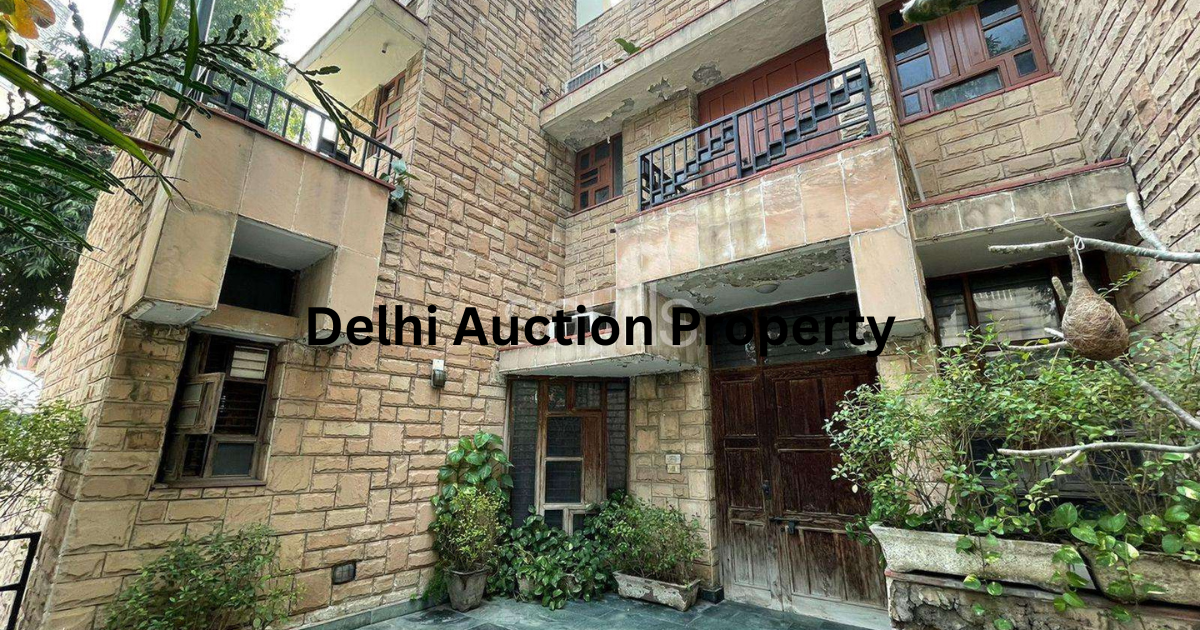
Every festive season, my inbox fills up with excited messages from buyers who just discovered bank auction properties in Delhi, and I understand the appeal completely.
When a borrower defaults on a loan, banks and financial institutions, including every major public sector bank and private sector bank, exercise.
Their legal right to recover dues by putting that property up for sale, and this is exactly where the auction market opens a door most buyers never think to knock on.
I have browsed these listings myself, and the variety genuinely surprises people: flats, houses, plots, land, shops, offices, commercial shopfronts, and even commercial spaces and vehicles, spread across Old Delhi.
South Delhi, and neighborhoods like Rohini. Non-performing assets, or NPAs, sit at the heart of this property market, and because almost every big lender now lists these properties online.
You don’t need to stay physically present to browse, register, or even place bids; the entire digital process happens through a portal.
Whether your goal is residential apartments for your own family, a rental investment for steady income, or a straight-up resale opportunity, the city’s auction pipeline usually has something matching your budget and location preference.
Before you get swept up in the excitement of search listings below market rates, though, take a breath and go through the diligence requirements first that one habit protects more buyers than any tip I could ever give.
What Governs These Auctions & Why Prices Are Lower
Here’s something I tell every first-time buyer: Bank auction sales in Delhi run on the SARFAESI Act, passed in alongside the DRT Act and, in select cases, the IBC, and this legal backing is exactly.
What keeps the whole formal process clean, letting a buyer deal straight with the bank instead of some third-party seller.
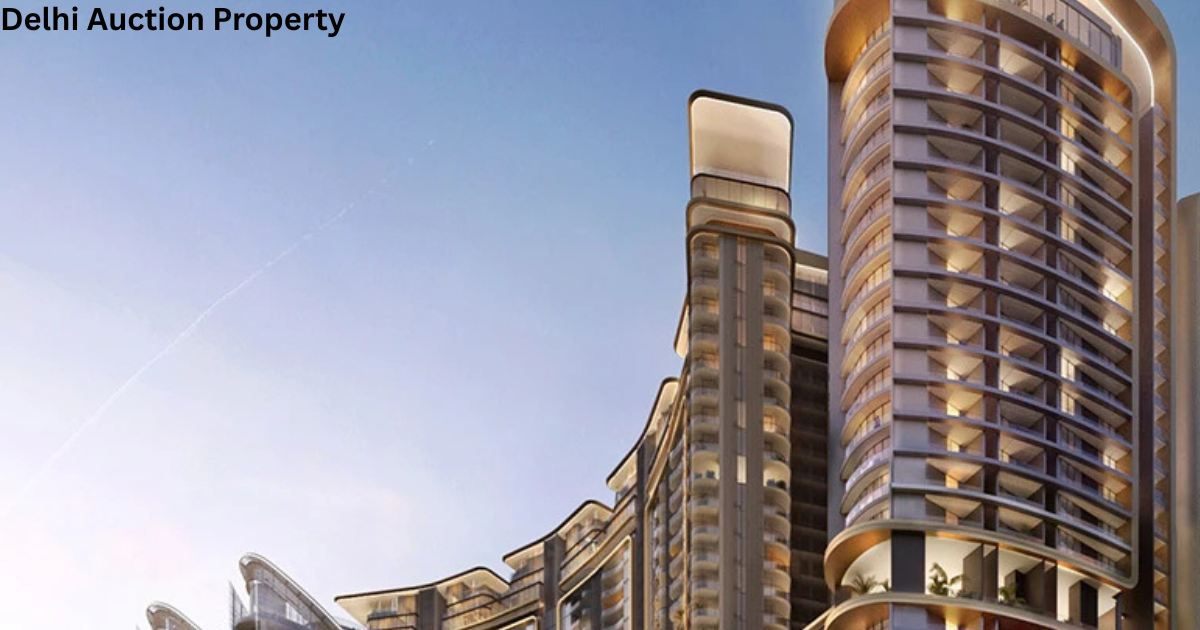 Banks fix the reserve price against an official valuation, so don’t expect a random discount but that approved valuation still lands roughly under open-market pricing, which explains why this deal pulls in so many bidders chasing lower market rates.
Every property listed this way comes from a defaulting borrower’s case, sold by banks exercising their legal authority to recover dues, and each listing is sold as is where is and as is.
What this means is ownership history, pending dues, and other liabilities are entirely the buyers’ responsibility to check before bidding or auctioning even begins.
The Bidding & Registration Process
Registration is where most people slow down, so let me walk you through it simply. A buyer first registers on the auction portal, submits documents, and completes identity verification, and depending on the sale.
You’ll land in either public auctions open to everyone or private auctions limited to invited participants.
Before that registration gets approved, every bidder must send an Earnest Money Deposit, or EMD, usually around 10% of the reserve price, transferred by NEFT or RTGS straight to the bank account given by the institution.
Until that deposit is confirmed, your bidding account stays inactive. Some sales also ask registered bidders for a separate caution deposit, often paid by bank draft, just to sit at the table, and that initial earnest money shows the bank you mean business.
On auction day, everyone logs into the secure online portal and bids in real time, watching the bid amount climb from the starting price until the highest bidder wins; that winner then pays roughly 25% of the sale value immediately.
With the remaining balance payable within Keep in mind, the bank can withdraw a property from auction without giving a reason, and taxes along with unearned increase charges land on top of the final winning bid, over and above any registration deposit you already paid.
Due Diligence Before Bidding
I always tell buyers this is the step you skip at your own risk. Since these properties sell as is, running an independent legal check on the title and current possession status before.
You ever bid is your single best safeguard against hidden liabilities or unpaid municipal dues that surface only after payment clears.
Whenever the official sale notice mentions an inspection window, use it as a physical inspection, booked through a prior appointment if needed, and tell you the actual condition of the property far better than any online listing photo ever could.
Where to Find Listings
Finding good Auction properties across Delhi usually comes down to checking three sources side by side: dedicated e-auction listing portals that pull listings from multiple banks at once.
Financial institution websites and state-run bodies like the Delhi Financial Corporation, and public notices put out ahead of specific sale events.
 From my own hunting around, certain localities show up again and again in several pockets of Rohini, Paschim Delhi Auction Property Karol Bagh, Dwarka, Palam, Narela, Burari, Nangloi, Shahdara, Saket, and Greater.
Kailash all regularly carry inventory across residential, commercial, and plot categories, and if you’re chasing something specific, DRTs across the city are worth checking too.
Institutions Involved
Beyond regular commercial banks, several other players run property auctions in Delhi. Debt Recovery Tribunals, often shortened to DRT, handle their own cases, while housing finance companies and state corporations such as the Delhi.
Financial Corporation manages a parallel recovery process that covers both immovable properties and movable assets or machinery assets tied to unpaid loans.
FAQs About Delhi Auction Property
Are bank auction properties in Delhi safe to buy?
Yes, and I say that with confidence built from watching hundreds of these deals close. Bank auction properties in Delhi carry real legal backing under the SARFAESI Act.
Can I get a loan to buy an auction property?
Absolutely financing is genuinely available for a listed property, and I’ve seen plenty of buyers go this route instead of paying cash upfront. .
What is EMD and why is it required?
EMD stands for Earnest Money Deposit, and it’s simply a refundable amount, usually around the reserve price, that you pay upfront to register as a bidder. Banks ask for it purely to confirm genuine intent before letting you participate in the bidding.
How can I inspect an auction property before bidding?
Check the official sale notice first it lists the exact date you can inspect any given auction property, and some listings need a prior appointment before you’re allowed to look around. .
What happens after I win a bank auction?
Once you’re the winning bidder in a bank auction, you’ll typically pay around 25% of the bid amount right away as earnest money, then clear the remaining balance within, exactly as spelled out in the auction terms for that winning bid.
Who governs these auctions legally?
Legally, the SARFAESI Act, passed in governs most of these auctions, working alongside the DRT Act and sometimes the IBC, depending on which institution is running that particular recovery process.