
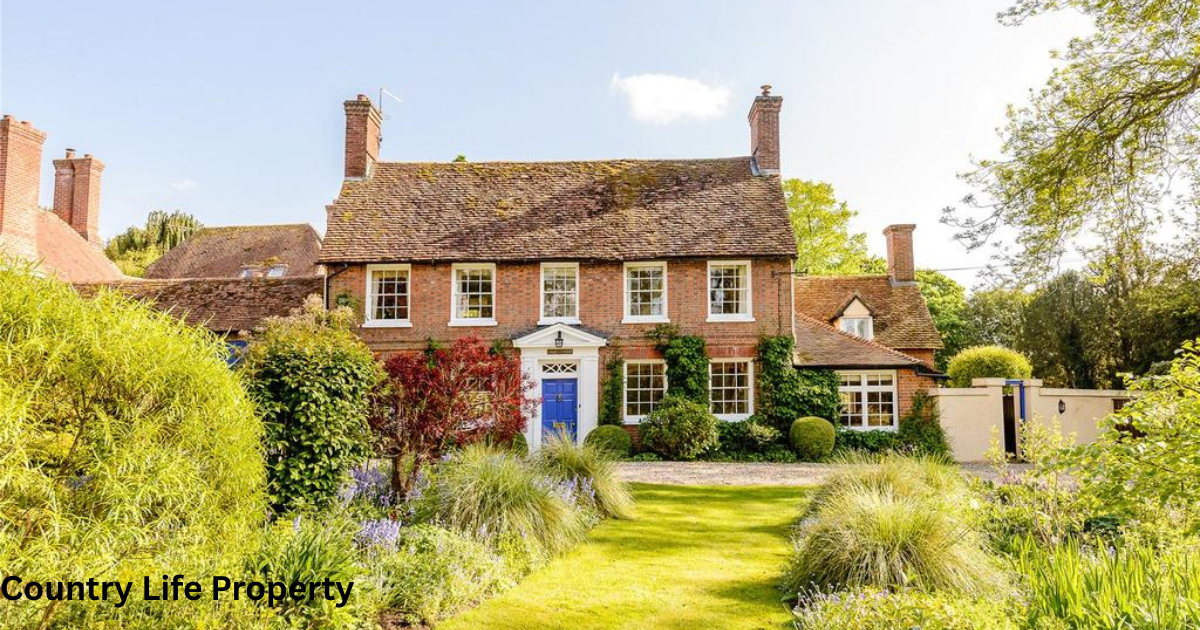
Many people dream about a quiet life away from the city, and a country life property can make that dream come true.
I remember the moment I first felt the fresh air hit my face and looked up at open skies that stretched forever. That’s when I truly understood the pull of rural living.
A good guide helps you avoid surprises and answer the questions that come with buying country property, whether you want a weekend retreat, a hobby farm, or a full-time rural home. You gain elbow room, freedom, and a slower pace that trades city noise for a real connection to nature.
Before you move into your new house, though, think about rural real estate basics such as land quality, water sources, financing, and local zoning rules, since these differ greatly from what you find in the suburbs.
This means defining your goals early and staying patient through closing the deal, so you can build real confidence in your new lifestyle.
Define Your Vision and Goals Before You Search
Every buyer needs a clear vision before searching for land, because country living is not one single thing.
Some buyers want a ranch, others want a working farm, a low-maintenance hobby farm, or simply an investment property that grows in value over time.
I always tell friends to think honestly about the size of land they can manage, since your capabilities matter just as much as your dreams. 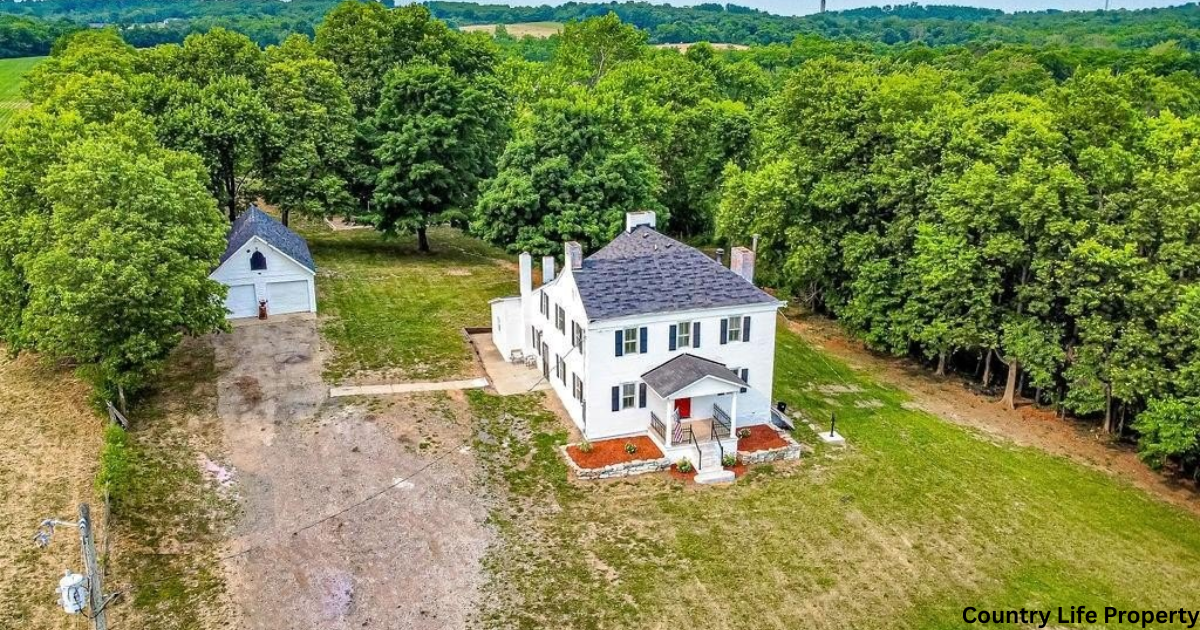 Do you want a weekend house for rest, or raw land you can build on later? Before touring properties, set a budget and figure out the type of financing that fits your plan, whether that means new buildings or an empty lot.
Talk with your family about the lifestyle you want, because shared goals keep everyone happy with the final choice.
Skipping this step often means wasting time on properties that never truly match your real goals, so use your time wisely from day one.
Location Still Matters
Location still decides almost everything in real estate, even out in the country. Drive around the surrounding area before you buy, and check the quality of roads, since bad roads can hurt long-term property value later.
A rural property sitting near landfills, gravel pits, or other industrial operations may look peaceful at first glance but can affect your daily life in ways photos never show.
Look closely at nearby businesses and operations, and be honest with yourself about the realities of rural living, including sharing roads with tractors and living close to livestock.
Some buyers fall for a pretty view and forget to think about land use and amenities nearby, so slow down and look past the surface.
Structural Condition
Before you accept any offer, study the land itself, starting with its topography and soil quality. Check the utilities on site, including water, electricity, and internet, since these services shape daily comfort in the country.
Look closely at existing structures and decide if the house truly fits your plans for farming, ranching, recreation, or simply building a home.
On many rural properties, your inspection checklist grows longer than you expect, covering fences, outbuildings, gates, sheds, and farm equipment that may or may not stay after the sale.
Water Access and Well Quality
Water may be the single most critical factor on any rural property, yet many buyers overlook it. Most country properties rely on private wells, so check the age, depth, and type of well before you commit.
Older wells, often hand-dug, may struggle during dry years, while newer drilled wells with solid casings stay far more dependable over the long-term.
This matters even more if you dream of off-grid living, where every water source counts.
Look at the natural water flow across the land too, since even a small stream can turn into a pond or build useful water pressure for other parts of the property.
Understand Financing Options for Rural Property
Getting financing for a country life property works very differently than financing a traditional urban home. Look into loans built for rural properties, and don’t be afraid to check rural underwriting rules, since they differ bank to bank.
A local lender who knows the area can send you real property leads and help you avoid common pitfalls that trip up buyers working with lenders unfamiliar with rural financing.
Depending on your lot size and intended land use, you may choose from home and farm loans, home construction loans, land and lot loans, or rural home refinancing.
Some banks carry tight restrictions, so review your options early and get ready to move fast once you find the right property.
Environmental Rules and Zoning Regulations
Country life does not mean fewer rules; you still must act as a good steward of the land. Study any environmental condition reports tied to water quality, runoff, or endangered species.understand your duty around cleaning up past environmental issues before purchase.  UEvery rural living dream also depends on confirming the exact zoning designations, following local zoning regulations.
And checking the current zoning laws set by your county and municipality, along with any wider environmental regulations that apply to your land.
Work With Local Experts
A good local agent and skilled real estate agent bring local expertise you simply can’t get from browsing listings alone.
Country Life Property , a lender who understands the area’s market and a region-savvy team can turn a drawn-out process into a smooth purchase.
Hire an attorney who works in rural real estate, and let them check every part of the legal aspects, including property boundaries, easements, and other restrictions tied to the land, so you land the right property with no regrets.
Shop Around Before You Commit
Just like shopping for a home in the city, buying rural land takes real research and honest homework. Compare different locations based on the lifestyle and features you want, and let the process rule out areas that don’t match your goals.
Take your time comparing properties, since markets shift block by block, and even one road can change everything about a region’s feel.Because rural markets rarely behave the same way twice, and every purchase deserves careful thought.
FAQS About Country Life Property
What should I look for before buying a country property?
Before buying a country property, check the land topography, soil quality, and well condition, since these shape what you can actually do with the land. Look closely at the water source, the utilities.
Is financing different for rural or country properties?
Yes. Financing for rural properties and country properties often needs specialized loan products you won’t find at a typical bank. Options like construction loans, land and lot loans, and farm loans exist for this reason, so it helps to work with lenders or a single lender who truly understands rural real estate.
Do I need an attorney to buy country property?
It’s a smart move. An attorney who knows rural real estate can review property boundaries, easements, and any legal restrictions on the land before you buy country property, protecting your purchase from costly surprises later.
What water source options are common for country properties?
Most country properties and rural properties skip municipal water systems and rely on private wells instead. When reviewing water source options, check the age, depth, and type of well, since older wells often perform less reliably than newer drilled wells.
Are there fewer rules or regulations on rural property?
Not really. A rural property still follows plenty of rules and regulations, including zoning laws and environmental regulations set by your county or municipality. Rural properties may feel open and free, but the land still comes with real responsibilities.