

Buying a first home is a big milestone for every family, and it comes with real financial rewards from the Income Tax Act.
Beyond the standard deduction you already know under Section the government created Section 80EE to give first-time homebuyers an extra tax break on their home loan interest, helping you save every extra rupee you can.
What Is Section 80EE?
Section 80EE of the Income Tax Act is built for one purpose: helping an individual taxpayer who is a first-time homebuyer, whether resident or NRI, claim an additional deduction over and above Section on the interest paid on a home loan.
Easing the interest burden that comes with owning a house for the first time and pushing home ownership within reach for regular individuals.
This benefit stays reserved strictly for people, not for entities like HUFs, Hindu Undivided Families, companies, or partnership firms, since the law was written with individual families in mind. In short, if you personally own a residential property for the first time, this section was made for you.
How Much Can You Claim Under Section 80EE?
Under Section 80EE, you can claim up to in one financial year, over and above the lakh limit or already available under Section and this combined deduction can never cross the actual interest paid on your loan.
 Picture someone who paid lakh in home loan interest: they use the maximum allowed lakh under Section first, then claim the remaining interest of under 80EE, giving a total deduction claimed of the full amount for that year.
This rule applies only to loans sanctioned within a set eligibility window, and any unused portion could once be carried forward as a carry-forward benefit to the next year for people repaying housing loans.
Eligibility Conditions for Section 80EE
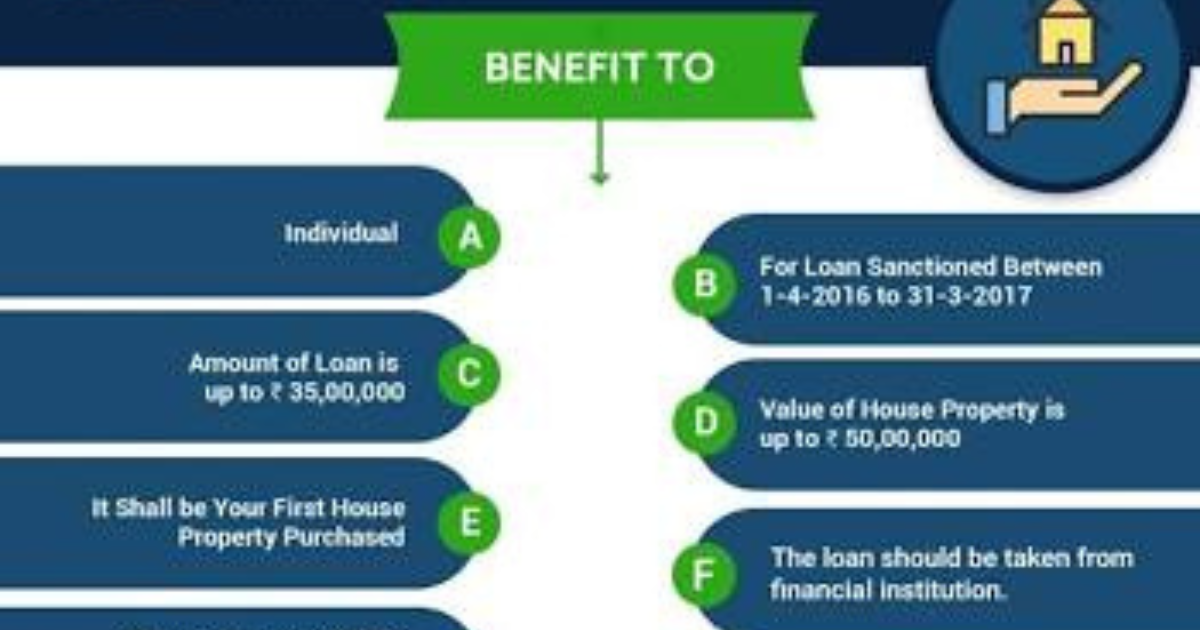
To qualify under this section, you must be an individual taxpayer and a genuine first-time homebuyer, with the loan taken for the purchase or construction of a residential house property, sanctioned by a proper bank or housing finance company rather than through personal loans.
The loan sanctioned must respect the loan amount and property value caps fixed for that particular sanction period, and this rule is not open to HUFs, companies, or firms at all. Whether your residential property ends up self-occupied or let out afterward makes no difference to your eligibility.
Section 80EE vs Section 80EEA
People often confuse Section 80EE with its cousin, Section 80EEA, since both exist purely for first-time buyer interest relief, but the two carry different numbers and different timelines.
The older scheme gives a deduction limit of while Section 80EEA, born out of the Union Budget to support affordable housing, offers a bigger lakh year, but only for a home valued under the lakh property value cap.
These two schemes run on separate sanction periods and separate eligibility windows the newer one covers only loans falling inside the loan sanction window between 1 April 2019 and 31 March 2022.
Section 80EE vs Section
Think of Section as the primary deduction every taxpayer already claims under Income from House Property, covering up to lakh of home loan interest on a self-occupied or let-out property.
Section 80EE doesn’t act as a replacement for this benefit; instead, it works purely as a top-up, adding another once the first limit is used up.
Together, both sections can add up to lakh in one year, as long as your actual interest paid genuinely supports that full amount.
Section 80EE Tax Rebate
How to Claim Section 80EE While Filing Your ITR
Start by collecting your interest certificate from your bank or housing finance company, which breaks your annual home loan repayment into clear interest components and separates out the principal portion for you.
While filing your ITR, claim your eligible interest first under Section entering up to ₹2 lakh under Income from House Property, and then move the balance under Section 80EE, entering it inside the deductions section of Chapter VI A for the remaining.
 Keep your loan sanction letter and property documents ready too, since the Income Tax Department may raise a query and ask for them later.
Why Section 80EE Matters
Section 80EE was never an accident; it grew out of the Housing for All mission, meant to pull more first-time buyers into the property market despite rising interest costs. Whil 80ee interest on housing loan the standard deduction every home loan borrower can rely on, Section 80EE works like a genuine bonus for anyone who met the eligibility conditions inside its applicable window, quietly lowering the real cost of borrowing for their first home.
FAQs About 80ee interest on housing loan
Who can claim a deduction under Section 80EE?
Only individual taxpayers, whether resident or NRI, who count as first-time homebuyers can claim this deduction on a residential property whose loan sanctioned date shows they didn’t already own a home.
What is the maximum deduction available under Section 80EE?
The maximum deduction under Section 80EE is ₹50,000 in a single financial year, over and above the ₹2 lakh already claimed under Section.
Can I claim both Section 80EE and Section 80EEA?
No, you cannot claim both together, since each loan falls under its own sanction window and its own eligibility criteria you pick either Section 80EE or Section 80EEA, not both.
Does Section 80EE cover principal repayment?
No, Section 80EE only covers interest paid on your home loan; your principal repayment is claimed separately under Section 80C.
Do I need to live in the house to claim this deduction?
No, you don’t need to reside in the house to enjoy this benefit; the property can stay self-occupied or be let out, and the deduction still applies.
What documents do I need to claim Section 80EE?
For Section 80EE, you mainly need the interest certificate from your lender; you usually don’t need to upload property documents or loan sanction letters, but keep them ready in case the tax department raises a query.
Can HUFs or companies claim Section 80EE?
No, this deduction under Section 80EE is reserved only for individual taxpayers, and it’s not open to HUFs or companies.
What happens if my interest paid is less than ₹50,000 in a year?
If your interest paid falls short of ₹50,000 in a financial year, the unused balance could once be carried forward under the older version of this scheme, subject to its applicable time window.