
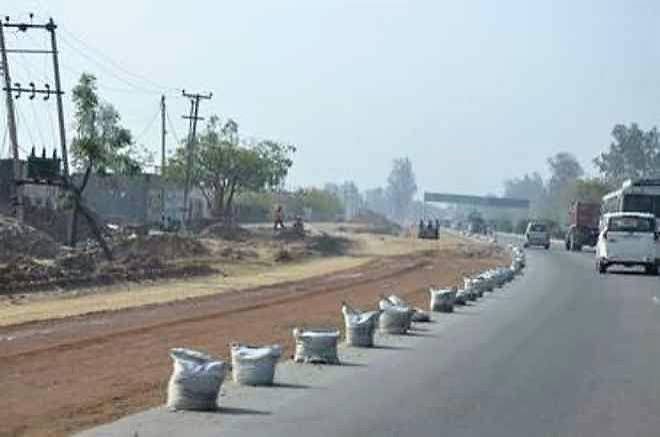
Anyone who drives through Patiala knows the frustration of hitting congestion at the wrong time of day. The trouble often starts with road digging works that leave lanes bumpy and dusty Sirhind Patiala Road for months, especially around Ajit Nagar and Chandani Chowk, where incomplete restoration turns a short drive into a slow crawl.
A canal-based drinking water supply line project meant to run 24×7 left many stretches half-finished, and roads dug up for pipeline work rarely got fixed on schedule, which is exactly why restoration work keeps getting delayed.
Traffic doesn’t slow down for just one reason though. Illegal encroachments by street vendors and shopkeepers eat into road space, and their unauthorized carts often obstruct traffic flow right at busy corners.
The Municipal Corporation has started a crackdown on this, handing out challans and warning of legal action against violators, since these bottlenecks are one of the biggest causes of city-wide jams.
Main Causes of Slow Traffic on Patiala Roads
Some corridors were simply built too narrow for today’s traffic. The narrow stretches on routes like the Sirhind–Patiala stretch, once just 60 feet wide, struggled with mixed Punjab Infrastructure Development Board traffic made up of tractor-trolleys, cars, and pedestrians all sharing the same lane, made worse during roadside langars and religious processions like the Shaheedi Jor Mela near Fatehgarh Sahib.
Add in ongoing bridge work and other infrastructure projects, or dividers being installed mid-route, and it’s easy to see why the drive feels delayed more often than not.
Even the clock plays a part in the chaos. Shifting government office timings to 7:30 AM to 2 PM created heavy morning congestion for office-goers and school-run traffic alike, and things don’t calm down by the afternoon congestion.
Around Leela Bhawan Market, and near the new bus stand on Patiala-Rajpura Road, commuters still describe their trips as genuinely hazardous commutes, proving that fixing one problem rarely fixes them all at once.
Sirhind Patiala Road Major Upgrade Nearing Completion
The 29-km stretch linking Patiala with Chandigarh, Mohali, Mandi Gobindgarh, and Fatehgarh Sahib used to be called a killer stretch, causing daily congestion for commuters, and honestly, once you’ve driven it at night, you understand why.
The four-laning project on this road was first approved in December 2021 at a cost of ₹119.6 crore, but the work paused after the 2022 Assembly elections before finally getting resumed.
Since the project restarted, the change has been hard to miss. Construction of the central divider is almost done, road markings will follow soon, and the steel bridge near property investments Sidhuwal village has already opened to traffic.
Officials expect full completion by the end of July 2026, and travel time has already dropped from 40–60 minutes down to 20–30 minutes, which is a real win for daily commuters.
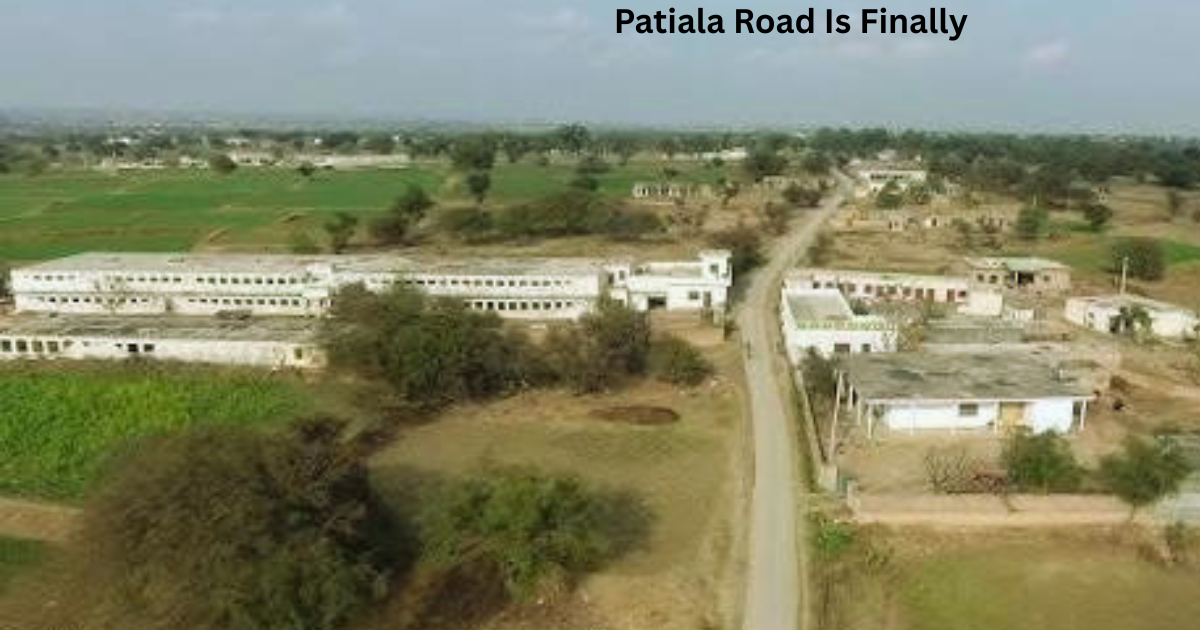 Beyond speed, safety was the real goal here, since this accident-prone corridor also carries deep religious significance as part of a Sikh pilgrimage route.
To make room for the wider road, 22.59 hectares of forest land were acquired, mostly across Ropar and Hoshiarpur districts, and in return, the state promised compensatory afforestation of 60,000 saplings to balance what was lost.
City Road Repair Delays and Municipal Action
It’s not just the highway that needs attention; in-city roads have their own share of trouble. Around Dhariwal Colony, Ajit Nagar, and Bank Colony, roads were dug up for water pipeline work and left unrepaired for nearly six months, leading to constant complaints from residents who deal with poor road conditions every single day.
This prolonged disruption has caused real public frustration, and honestly, it’s easy to sympathise once you’ve walked those broken lanes yourself.
Behind the scenes, the fix has been stuck in paperwork. A revised cost estimate covering the actual lengths of bitumen, cement concrete, and interlocking-tile roads has been pending approval from the Punjab Water Supply and Sewerage Board for two months, leaving the contractor unable to move forward with full road restoration.
With municipal elections approaching, local authorities and the responsible department are Patiala Road feels this as a restoration priority, since the Municipal Corporation knows public patience is running thin.
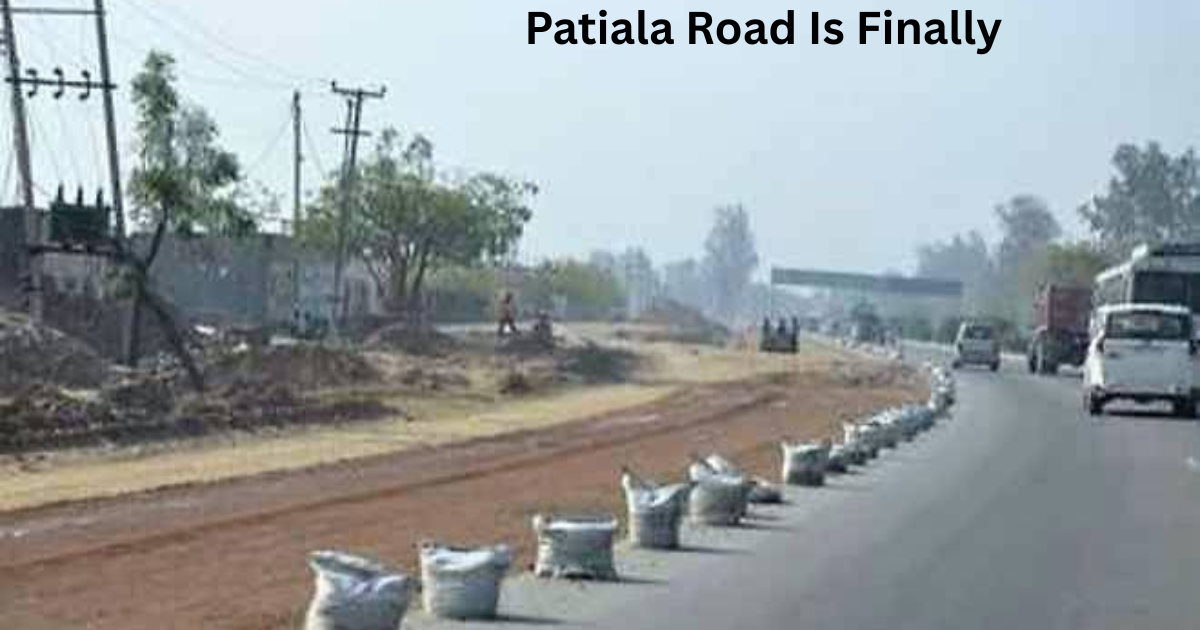
Water isn’t only a construction issue either; it affects the roads directly. Ahead of monsoon, teams have started pre-monsoon desilting of the Jacob Drain to lower the flooding risk, since clogged drains and heavy rain together have made these problems worse in the past.
What Commuters Can Expect Going Forward
So what should commuters actually expect next? In the short term, drivers will likely keep hitting slow patches near active construction zones and stretches still waiting on repaving.
The good news is that the Sirhind–Patiala stretch should offer near-complete relief by the end of July 2026, once final road markings are painted and the extra road width finally opens up.
Meanwhile, other changes are already ongoing across the city. Encroachment removal drives should slowly free up space in congested market areas and busy chowk areas, and with monsoon season approaching, drainage work is being pushed to keep waterlogging from making the slow drive even worse.
FAQs About Patiala Road Is Finally
Why is Patiala Road so slow right now?
Patiala Road feels slow mainly because of a few main contributors working together at once. Unrepaired roads, dug-up roads, and illegal encroachments eat into space on major routes, while narrow stretches and active construction along the Sirhind–Patiala corridor add to the daily crawl.
When will the Sirhind Patiala Road be fully complete?
According to district administration officials, the four-laning project on the Sirhind–Patiala Road should be fully complete by the end of July 2026.
Has travel time already improved on this stretch?
Yes, travel time has genuinely improved already. It has dropped from 40–60 minutes to just 20–30 minutes, even before final completion of the project.
What is being done about encroachments causing traffic jams?
The Patiala Municipal Corporation has launched a city-wide crackdown on vendors and shopkeepers who occupy road space illegally, issuing challans and warning of further legal action.
Are city roads also being repaired?
Yes, city roads are being repaired too, not just highways. Progress has faced delays due to funding hold-ups and slow approval for restoration tied to earlier water pipeline work, though rising municipal pressure is pushing things forward now.
Why was the Sirhind Patiala Road historically dangerous?
The Sirhind–Patiala Road was historically dangerous mainly because of its narrow width, once just 60 feet. Heavy tractor-trolley traffic, roadside langars, and religious event traffic all squeezed onto this accident-prone corridor, which is exactly why the current widening project matters so much.